US Retaliates After Jordan Strike Kills 2 Soldiers; Toman Defies Escalation as Gold Softens
حمله تلافیجویانه آمریکا پس از کشته شدن دو سرباز در اردن؛ مقاومت تومان در برابر تنشهای نظامی
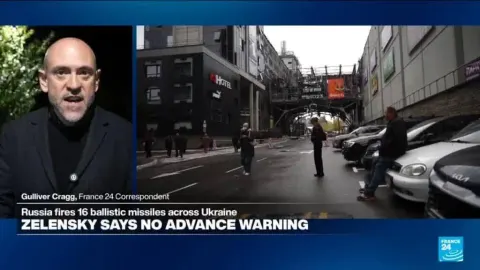
The United States has launched a fresh wave of retaliatory strikes following a deadly attack in Jordan that killed two American soldiers, marking the first U.S. combat deaths since the April truce. Paradoxically, the Iranian Toman has strengthened slightly today, with the USD falling 1.2% as markets navigate a complex web of military escalation and potential diplomatic exit ramps.
At time of publishing
USD
193,500
Toman
Gold 18K
18.79M
Toman / gram
Bitcoin
$64,580
US Dollar
Tether
192,658
Toman
US Strikes Back After Fatal Jordan Attack
The geopolitical landscape shifted violently early Sunday as the United States launched widespread retaliatory strikes against targets linked to the Islamic Revolutionary Guard Corps (IRGC). This military response follows a devastating attack on a U.S. base in Jordan that resulted in the deaths of two American service members and left a third missing. These fatalities represent the first U.S. troops to die from hostile fire since the fragile truce established in early April, effectively ending a period of relative restraint and signaling a return to the high-intensity conflict seen back in February.
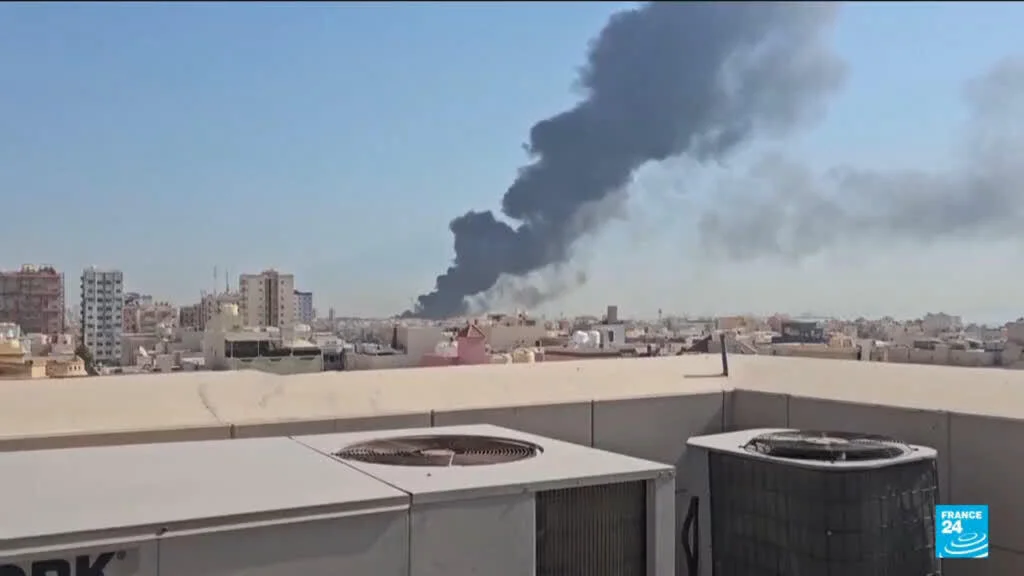
According to reports from the ground, Saturday night marked the eighth consecutive night of U.S. strikes in the region, with explosions reported across multiple coastal cities and military installations. The escalation has drawn sharp political reactions in Washington, where former President Trump has already vowed a significant shift in military strategy if returned to power, criticizing the current administration's handling of the deterrence policy. For the region, this marks a dangerous pivot point; the "tit-for-tat" cycle has moved beyond proxy skirmishes into direct, lethal exchanges that threaten to pull neighboring states like Kuwait and Bahrain into a wider conflagration.
The Toman Paradox: Markets Cool Amid the Heat of War
In a move that has baffled many retail investors, the Iranian currency and gold markets have not reacted with the typical panic-buying associated with regional war. Despite the news of U.S. strikes and troop deaths, the USD/IRR exchange rate moved from 195,800 to 193,500, representing a 1.2% appreciation for the Toman. Similarly, Gold 18k per gram dropped from 19,045,200 to 18,786,647 Toman (-1.4%), and the Emami coin saw a modest decline of 0.5% to 189,000,000 Toman. This suggests that the local market may have already "priced in" the high probability of escalation, or that central bank interventions are successfully dampening volatility to prevent a total currency collapse.
However, the global impact of this conflict is becoming visible in traditional finance sectors. Mortgage and refinance interest rates in the United States moved higher last week as the Iranian conflict escalated, reflecting a broader risk-off sentiment in global debt markets. Investors are increasingly seeking safety in high-yield instruments, with CD rates now offering up to 4.10% APY. For the Iranian domestic observer, the current stability of the Toman might be a temporary calm; the disconnect between military kinetic energy and market pricing often resolves in sudden, sharp corrections once the full scope of retaliatory measures—such as potential new sanctions or naval blockades—becomes clear.
A "Coal and Steel" Vision for the Strait of Hormuz
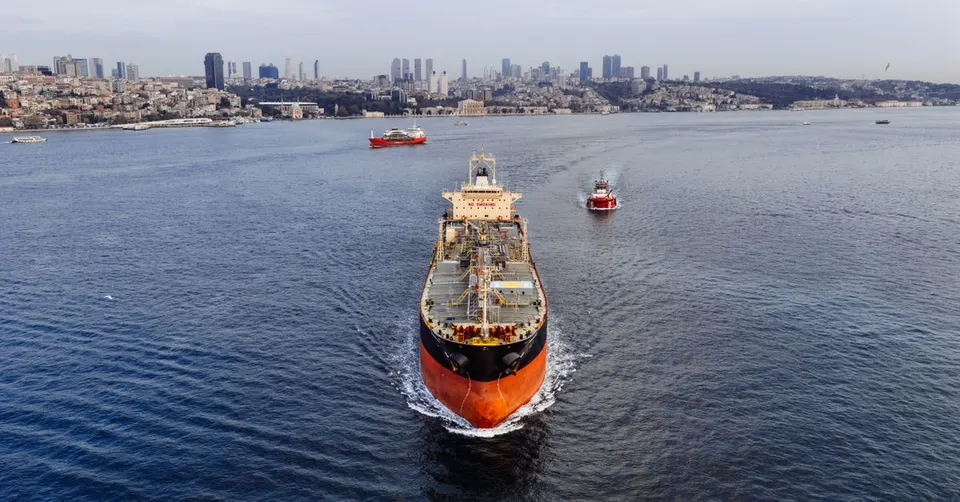
While missiles fly, some analysts are looking toward radical diplomatic solutions to break the cycle of violence. A London-based research group has recently proposed a "Shared Pact" for the Strait of Hormuz, drawing inspiration from the 1951 European Coal and Steel Community which eventually paved the way for the European Union. The proposal suggests that Gulf states, including Iran and its neighbors, should form a joint coalition to manage the strategic waterway. By turning a point of friction into a shared economic asset, the think tank argues that the incentive for blocking shipping lanes would be replaced by mutual financial gain.
This search for stability comes at a time when global security is fraying elsewhere. In Mali, at least 50 soldiers were reportedly killed in a massive rebel-jihadist attack on Sunday, highlighting the spread of instability across the Global South. Furthermore, economic think tanks in the UK are emphasizing that "health is an economic asset," suggesting that restoring public health to 2014 levels could boost British GDP by 2%. These stories, while geographically distant from the Persian Gulf, underscore a global theme for July 2026: the urgent need to protect human and economic capital from the dual threats of chronic instability and deteriorating infrastructure. Whether a shared pact for the Strait can gain traction remains a long shot, but it represents the only current alternative to a total regional breakdown.
Watch
US launches new airstrikes on Iran after confirming troop deaths • FRANCE 24 English
FRANCE 24 English
Frequently Asked Questions
Why did the Toman strengthen despite the news of US strikes?
What is the 'Shared Pact' for the Strait of Hormuz?
How significant are the US casualties in Jordan?
Geopolitical Risk and its Complex Effects on Currency and Commodity Markets
Geopolitical risk, encompassing political instability, conflicts, and international tensions, is a powerful force that frequently sends ripples through global financial markets. Investors, seeking to protect their capital during times of uncertainty, often reallocate funds, leading to significant shifts in currency exchange rates and commodity prices. The immediate aftermath of escalating tensions typically sees a flight to safety, where assets perceived as secure become more attractive.
Traditionally, gold serves as a quintessential "safe-haven" asset. Its value tends to rise during periods of geopolitical turmoil, economic instability, or high inflation, as investors view it as a reliable store of value that is less susceptible to the performance of any single economy or government. Conversely, the currencies of nations directly involved in or proximate to conflict zones often face depreciation. This weakening is driven by concerns over potential economic disruption, capital flight as investors move money out of the region, and reduced foreign investment, all of which diminish confidence in the local economy and its currency.
The recent headline, however, presents an intriguing deviation from these typical patterns: "Toman Defies Escalation as Gold Softens." This suggests that market reactions are not always straightforward. The Iranian Toman's resilience amidst regional escalation could be attributed to several factors, such as proactive central bank intervention to stabilize the currency, pre-existing market expectations that had already priced in a high level of risk, or even capital controls limiting outflows. Similarly, gold's softening could indicate profit-taking after previous rallies, a market reassessment of the actual severity or longevity of the conflict, or the influence of other global economic factors (like interest rate expectations) that temporarily overshadow geopolitical concerns.
This scenario underscores the intricate and often counter-intuitive nature of financial markets. While general principles of risk aversion and safe havens often hold true, specific local conditions, government policies, and the broader global economic landscape can significantly alter expected outcomes, making the interplay between geopolitics, currencies, and commodities a complex and dynamic field of study.