Pezeshkian Pushes for Oil Modernization Amid Regional Chaos; Toman Gains 1.3% as Gold Softens
تلاش پزشکیان برای نوسازی بخش نفت در میانه تنشهای منطقهای؛ صعود ۱.۳ درصدی تومان و کاهش قیمت طلا
President Pezeshkian calls for global standards in Iran's oil sector as regional tensions escalate with reports of strikes in Kuwait and Jordan. Despite the geopolitical volatility, the Toman strengthened today while gold prices dipped following a slight cooling in global sentiment.
At time of publishing
USD
193,200
Toman
Gold 18K
18.78M
Toman / gram
Bitcoin
$64,458
US Dollar
Tether
193,411
Toman
Pezeshkian’s Oil Ambitions: Global Standards vs. Sanctions Reality
President Masoud Pezeshkian has publicly called for the implementation of global-standard multilateral systems within Iran’s oil sector, according to state-run media IRNA. This move is framed as a priority for the Ministry of Petroleum, aimed at modernizing an industry that has been crippled by decades of underinvestment and international isolation. By advocating for "global standards," the administration appears to be signaling a desire to re-engage with international energy markets, though the path forward remains obstructed by the very sanctions and geopolitical friction that Pezeshkian’s government continues to navigate.
This rhetorical shift is significant because it acknowledges the technical and systemic gap between Iran’s aging infrastructure and the modern energy landscape. For the average Iranian reader, this translates into a desperate attempt to stabilize the country's primary revenue source. However, without a fundamental change in foreign policy or a lifting of major sanctions, these "multilateral systems" may remain largely theoretical, serving more as a domestic political signal than a functional economic overhaul. The market's reaction has been cautious, as traders weigh these long-term promises against the immediate reality of regional conflict.
The Jordan-Kuwait Frontline: A Widening Regional Conflict
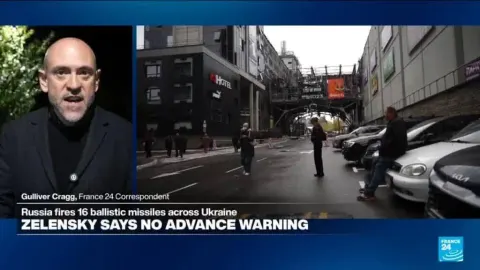
The geopolitical landscape has darkened significantly as Jordan finds itself increasingly caught in the crosshairs of regional proxy wars. Recent reports indicate that Jordan’s growing cooperation with U.S. military operations has made it a target for Iranian-backed escalations. Simultaneously, Al Jazeera reported missile and drone attacks causing fires at power plants in Kuwait and Bahrain, signaling a dangerous expansion of the conflict zone. This escalation suggests that the traditional "red lines" of the Persian Gulf are being tested, with infrastructure targets becoming fair game in a high-stakes game of regional leverage.
For the global energy market, this expansion is a nightmare scenario. The threat to Kuwaiti and Bahraini infrastructure, combined with the ongoing pressure on Jordan, creates a sense of unpredictability that usually drives safe-haven buying. However, the current market dynamic is complex; while the risk is high, the actual disruption to oil flow has yet to reach a catastrophic level. What it means for the reader is a heightened risk of sudden price shocks in the energy sector, which could eventually bleed into local inflation if the Strait of Hormuz remains a flashpoint for further disruptions.

Africa’s Energy Crisis and the Hormuz Bottleneck
The ongoing tension in the Strait of Hormuz is having unintended consequences far beyond the Middle East, specifically exposing the deep energy dependence of African nations on the Iran-China trade axis. As reported by OilPrice, the closure or restricted flow through this vital corridor has led to widespread energy shortages across several African states. These countries, which rely on affordable fuel imports often facilitated by Chinese intermediaries, are now facing a severe supply crunch. This highlights the fragility of global south energy security when major maritime chokepoints become contested military zones.
This development underscores a shift in global trade dynamics where local conflicts have immediate, global repercussions. As African nations scramble for alternative suppliers, the demand for non-Middle Eastern oil could rise, putting upward pressure on global benchmarks. For investors and observers, this is a reminder that the "Strait of Hormuz risk" is not just a regional issue but a systemic threat to global emerging markets. It also suggests that China’s influence in Africa is being tested, as its ability to ensure the flow of energy to its partners is directly hampered by the instability in the Persian Gulf.
Market Reaction: Toman Defies Gravity as Gold Retreats
In a surprising turn of events, the Iranian Toman showed resilience today despite the surrounding regional chaos. The USD sell rate moved from 195,800 to 193,200, marking a 1.3% appreciation for the local currency over the last 24 hours. This movement suggests that the market may have already priced in much of the current geopolitical risk, or perhaps that the Central Bank is intervening more aggressively to prevent a total currency collapse during this sensitive period. Gold prices followed a similar downward trend, with 18k gold falling from 19,045,200 to 18,779,722 Toman per gram, a 1.4% decrease.

The divergence between the escalating military rhetoric and the strengthening Toman is a classic example of market exhaustion. When every day brings news of strikes and threats, the marginal impact of each new headline diminishes. Furthermore, the Emami coin saw a slight dip of 0.5%, moving from 190,000,000 to 189,000,000 Toman. For the reader, this suggests a temporary window of relative stability in the exchange rate, though it remains highly sensitive to any actual kinetic escalation that directly impacts Iranian soil or major oil facilities. The current trend reflects a "wait and see" approach from major market players who are looking for the next decisive move in the regional chess match.
Frequently Asked Questions
Why did the Toman strengthen despite reports of regional strikes?
What are the 'global standards' Pezeshkian is referring to in the oil sector?
How does the conflict in the Middle East affect energy in Africa?
The Geopolitical Chokepoint: Understanding the Strait of Hormuz's Impact on Global Oil
The Strait of Hormuz is not merely a narrow body of water; it is arguably the world's most critical oil transit chokepoint, a geographical bottleneck through which a significant portion of the globe's seaborne crude oil and liquefied natural gas (LNG) passes daily. Situated between Iran and Oman, this strategic waterway connects the Persian Gulf to the Arabian Sea and beyond, making it indispensable for the energy exports of major producers like Saudi Arabia, Iraq, UAE, Kuwait, and Iran itself. Its unique position means that any disruption, real or perceived, can send immediate shockwaves through international oil markets.
Geopolitical tensions in the Middle East frequently cast a shadow over the Strait's security. Events such as regional conflicts, military exercises, or even political rhetoric can escalate fears of blockades or attacks on shipping. When such concerns arise, the immediate market reaction is typically a sharp increase in oil prices. This is because traders and investors price in the risk of supply disruptions, knowing that even a temporary closure of the Strait could severely restrict global energy flows, potentially leading to shortages and economic instability worldwide. The sheer volume of oil passing through – often upwards of 20% of global daily consumption – underscores its unparalleled importance.
For oil-dependent economies, particularly Iran, the Strait of Hormuz is a double-edged sword. While it facilitates the export of their primary commodity, it also represents a significant point of vulnerability. Iran's ability to export oil, which is crucial for its state revenues and currency stability (like the Toman mentioned in the headline), is directly tied to the Strait's openness and security. International sanctions further complicate Iran's oil trade, but the fundamental strategic importance of the Strait remains. Regional chaos, as highlighted in the news, directly impacts the perceived risk associated with this waterway, influencing everything from global oil prices to national economic policies and currency valuations in the region.
Understanding the Strait of Hormuz's role is key to comprehending the intricate relationship between geopolitics, energy markets, and the economic fortunes of nations in and around the Persian Gulf. Efforts like oil modernization, while important for efficiency, cannot fully insulate an economy from the profound and immediate effects of instability in such a vital global chokepoint.