Aqaba Missile Intercept and US Drone Downed: Toman Gains 2.3% Despite Regional Escalation
رهگیری موشک در آسمان اردن و سرنگونی پهپاد آمریکایی؛ سقوط ۲.۳ درصدی دلار در اوج تنشها
Israeli and Jordanian forces intercepted an Iranian missile over Aqaba, while Tehran claims to have downed a US MQ-9 drone. Paradoxically, the Iranian Toman rose 2.3% as markets appear to have already priced in the weekend's kinetic exchanges.
At time of publishing
USD
191,300
Toman
Gold 18K
18.57M
Toman / gram
Bitcoin
$64,386
US Dollar
Tether
190,114
Toman
The Aqaba Intercept: Regional Conflict Reaches Jordan's Skies
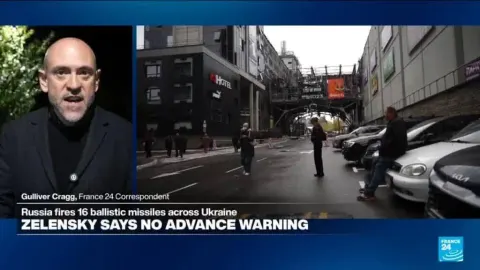
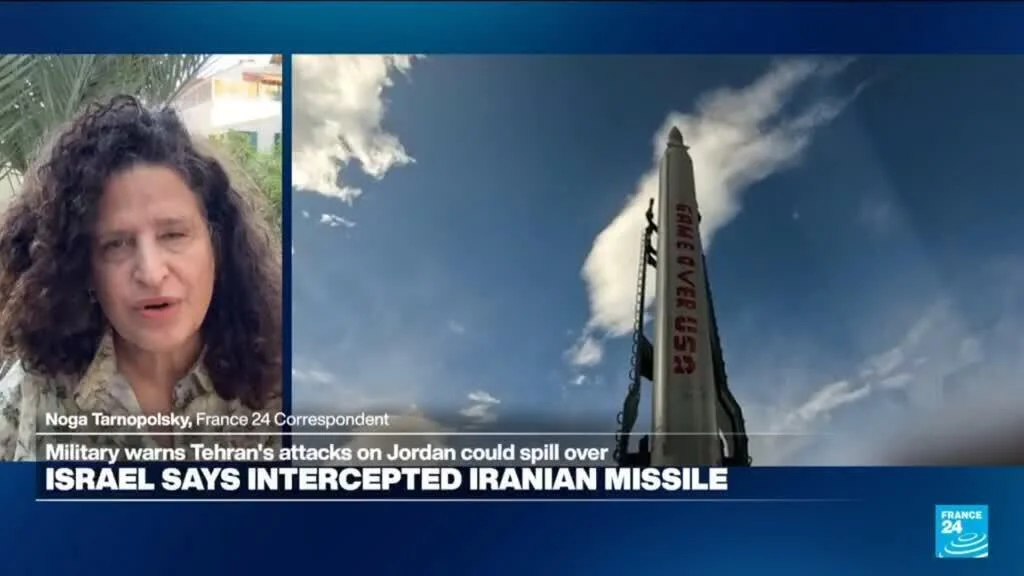
In a significant escalation of the ongoing regional friction, Israeli and Jordanian military forces successfully intercepted an Iranian missile aimed at the Jordanian port city of Aqaba on Sunday evening. The Israeli military confirmed the joint operation, noting that while the interception was successful, shrapnel from the destroyed projectile fell within Israeli territory. Although no casualties were reported, the incident has sent a chill through the region, signaling that the geographic scope of the conflict is widening to include Jordan’s critical maritime and tourism corridors. This coordination between Israel and Jordan highlights a deepening security alignment against Tehran's regional maneuvers, even as Amman faces internal pressure regarding its role in the conflict.
For the Iranian public, the involvement of Jordan is a critical development. Aqaba is a strategic gateway, and the fact that missiles are now transiting or targeting this area suggests a shift from localized border skirmishes to a broader theater of war. This escalation typically triggers a flight to safety in the currency markets; however, the immediate reaction in Tehran has been surprisingly counter-intuitive. The sense in Israel, as reported by local observers, is that the war is entering a more dangerous and unpredictable phase, yet the financial markets in Iran are currently behaving as if a peak in tensions has already been reached.

Iran Claims Downed US MQ-9 Drone in Western Airspace
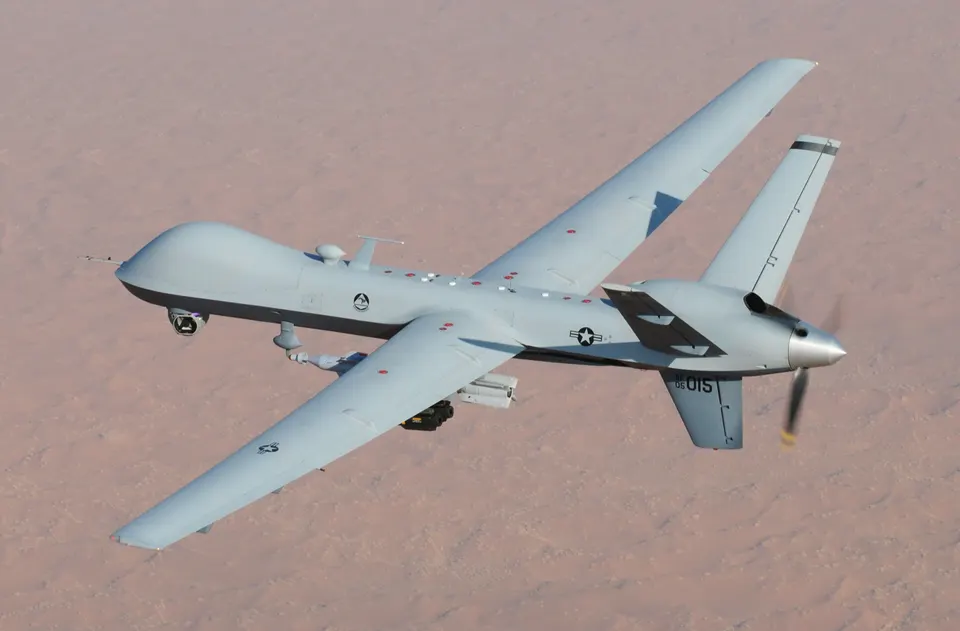
While the skies over Jordan were ablaze with intercepts, Iran’s Army Air Defense Force announced on Sunday that it had successfully engaged and destroyed an American MQ-9 Reaper drone and a US cruise missile in the western regions of the country. According to reports from the state-run IRNA news agency, the military claimed these assets were acting as "aggressors" before being neutralized by domestic defense systems. The MQ-9, a high-altitude, long-endurance platform capable of both surveillance and precision strikes, represents a significant technological and financial loss for US operations in the area, with each unit valued at approximately $30 million. This claim, while yet to be independently verified by the Pentagon, adds a layer of direct US-Iran confrontation to an already volatile night.
The timing of this announcement appears designed to project strength to a domestic audience amid reports of Israeli-Jordanian cooperation. By highlighting the capability of its air defense systems to down sophisticated American hardware, the Iranian military leadership is attempting to maintain a narrative of deterrence. For the average Iranian citizen, these headlines often signal impending sanctions or further military retaliation, yet the market's resilience tonight suggests that the public may be becoming desensitized to the "tit-for-tat" nature of these engagements, or perhaps they are anticipating a de-escalation after this heavy exchange of fire.
The Toman Paradox: Currency Gains 2.3% Amid Escalating Fire
In a move that has baffled many casual observers, the Iranian Toman defied the geopolitical chaos by posting significant gains tonight. The USD sell rate moved from 195,800 to 191,300, representing a 2.3% appreciation for the local currency. Similarly, the price of 18k gold per gram dropped from 19,045,200 to 18,574,264 (-2.5%), and the Emami coin softened by 0.5% to settle at 189,000,000 Toman. This "relief rally" in the face of missile launches and drone shoot-downs suggests that the market had already over-priced the risk of a total regional war earlier in the week. Traders often operate on the principle of "buying the rumor and selling the fact," and the actual occurrence of the strikes may have led to a round of profit-taking by those who were long on the Dollar.
Furthermore, there is widespread speculation that the Central Bank of Iran (CBI) may have intervened heavily in the market to prevent a panic-driven collapse of the Toman. By injecting liquidity or tightening Toman supply, the authorities can temporarily mask the impact of geopolitical shocks. However, the sustainability of this gain is questionable. With the global gold ounce sitting at a staggering $4,019.30 and Bitcoin hovering at $64,386, the external pressure on the Toman remains immense. For the Iranian household, this temporary dip in the Dollar price offers a brief window of stability, but the underlying threat of a wider conflict involving the US and Israel continues to cast a long shadow over long-term economic planning.

Frequently Asked Questions
Why did the Toman gain value while military tensions were escalating?
What is the significance of the intercept over Aqaba, Jordan?
How does the downing of an MQ-9 drone affect US-Iran relations?
The Complexities of Exchange Rate Movements in Sanctioned or Controlled Economies
Geopolitical tensions typically lead to currency depreciation as investors seek safer assets and capital flees. The headline, however, presents a counter-intuitive scenario where the Iranian Toman strengthened amidst regional escalation. This divergence from typical market behavior is often characteristic of economies operating under significant sanctions or with stringent capital controls.
In such environments, the "market" isn't always a free-floating mechanism driven purely by supply and demand for foreign exchange. Instead, it's heavily influenced by government policy, intervention, and the dynamics of parallel or unofficial markets. Governments might inject foreign currency into the market (perhaps from oil revenues or other sources) to stabilize or strengthen the local currency, especially during periods of perceived instability to project confidence.
Alternatively, authorities might tighten capital outflow restrictions, making it harder for individuals or businesses to convert local currency into foreign assets. This reduces the supply of local currency seeking foreign exchange, potentially pushing its value up in the unofficial market. Such actions can create temporary supply-demand imbalances that override broader geopolitical concerns.
Furthermore, the "Toman" gaining likely refers to its value in an unofficial or black market, which can react differently than an official rate. These markets are often more sensitive to specific domestic policy announcements, short-term supply-demand created by government actions, or even speculative moves that might temporarily outweigh geopolitical risks. For instance, a sudden, albeit temporary, increase in hard currency supply from specific government sales or a crackdown on illicit outflows could strengthen the unofficial rate.
Understanding these nuances is crucial because traditional economic models often fall short in explaining currency movements in economies where political factors, sanctions, and government interventions play a disproportionately large role in shaping market outcomes. The Toman's movement, therefore, highlights the unique interplay of domestic policy and external pressures in a controlled economic system.