$90 Oil and Ninth Night of US Strikes: The Hormuz LNG Standoff Intensifies
نفت ۹۰ دلاری و نهمین شب حملات آمریکا؛ توقف صادرات گاز در تنگه هرمز
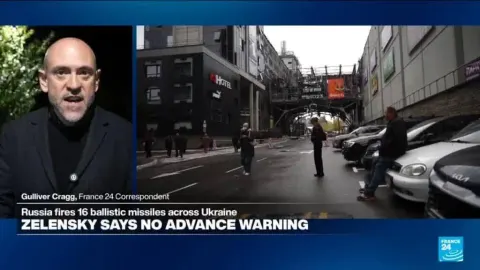
As Brent crude surpasses $90 per barrel, the US has launched its ninth consecutive night of strikes against Iranian-linked targets. Meanwhile, LNG shipments through the Strait of Hormuz have ground to a halt, creating a global energy emergency even as Washington signals a potential opening for diplomacy.
At time of publishing
USD
190,200
Toman
Gold 18K
18.40M
Toman / gram
Bitcoin
$64,088
US Dollar
Tether
191,313
Toman
The Ninth Night: Kinetic Escalation and Deterrence
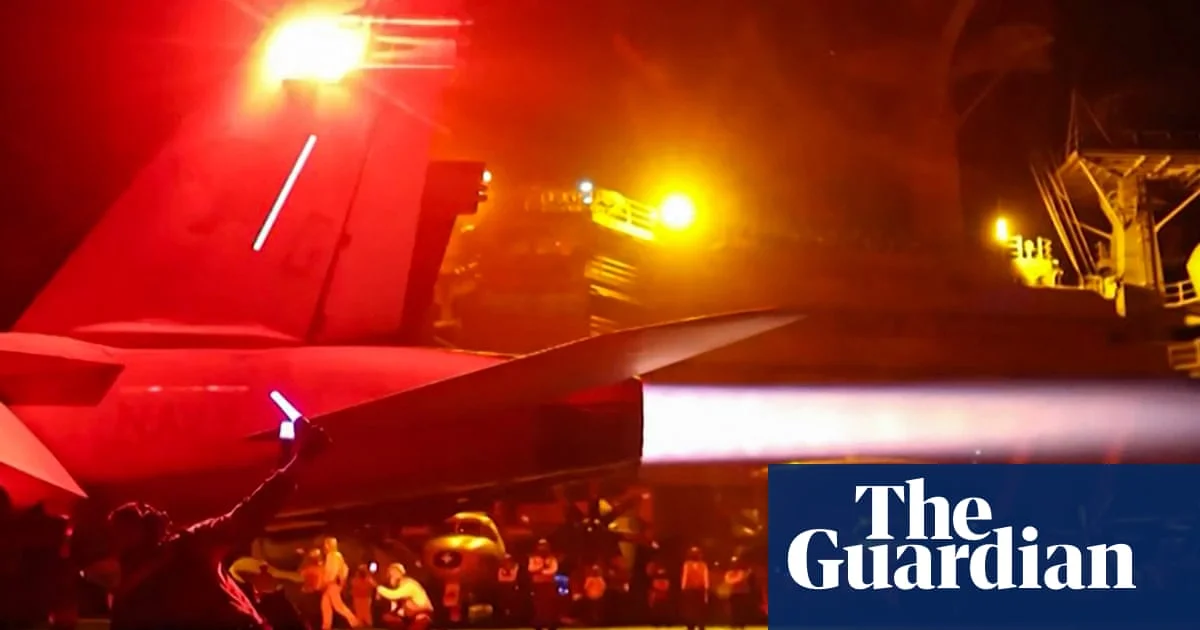
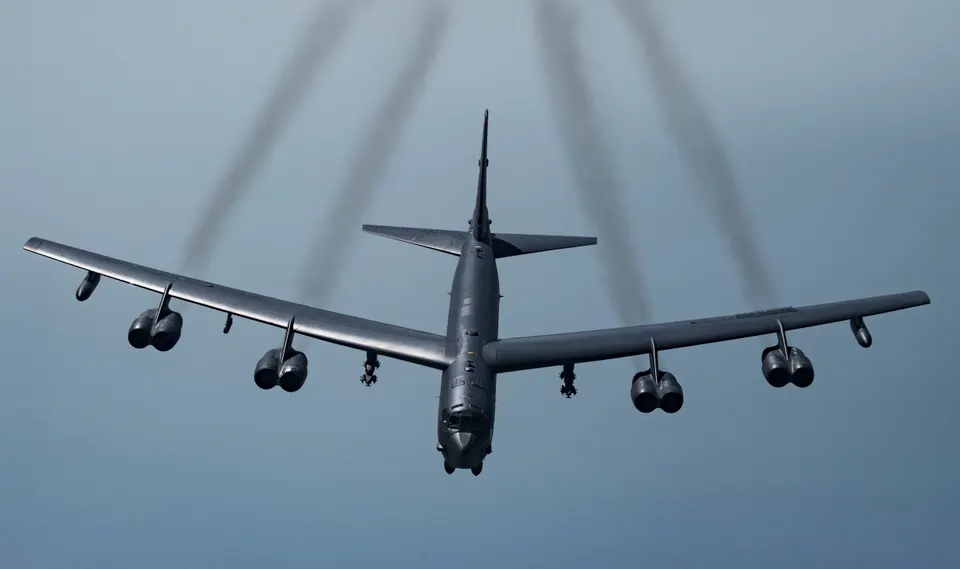
The United States military has confirmed a ninth consecutive night of airstrikes against targets in the region, a significant intensification of the conflict following the death of another American service member in northern Iraq. Donald Trump characterized these latest operations as being conducted "in honor" of fallen soldiers, signaling a shift toward a more sustained and aggressive military posture. This cycle of retaliation has now expanded beyond the immediate borders of Iraq, with reports of explosions involving ships in the Strait of Hormuz and retaliatory strikes in Syria and Jordan. The persistence of these missions suggests that the US aims to systematically degrade the logistics and infrastructure of Iranian-aligned groups rather than simply delivering a one-off warning.
In response to the American campaign, the Islamic Revolution Guards Corps (IRGC) has engaged in its own narrative warfare, releasing footage that allegedly shows the destruction of F-15 and F-16 hangars at airbases in Jordan. While these claims remain difficult to verify independently, they serve to heighten the tension and demonstrate a willingness to target regional allies of the United States. This back-and-forth has created a volatile atmosphere where the risk of a miscalculation leading to a broader regional war is at its highest in decades. For observers in Tehran, the escalation is no longer a distant threat but a nightly reality that is beginning to reshape regional security alliances.
Energy Markets Under Siege: The Hormuz Blockade
The economic consequences of this military standoff are manifesting rapidly in the energy sector. Data from tanker-tracking firms indicates that shipments of liquefied natural gas (LNG) through the Strait of Hormuz have effectively ground to a halt over the last 72 hours. This maritime bottleneck has sent shockwaves through global markets, pushing Brent crude oil prices above the $90 per barrel threshold for the first time since June. Analysts from ING have warned that the current hostilities could have a more devastating impact on gas markets than on oil, given that LNG supply chains are far less flexible and more reliant on the stability of the Persian Gulf shipping lanes.
The halt in LNG traffic is particularly concerning for European and Asian economies that have become increasingly dependent on Gulf gas following the restructuring of global energy flows over the last few years. While oil tanker traffic has also shrunk considerably, the total cessation of gas exports represents a significant escalation in the economic warfare surrounding the conflict. This development places immense pressure on the international community to intervene, as a prolonged closure of the Strait would likely trigger a global inflationary spike, complicating the efforts of central banks to stabilize their respective economies.
Market Resilience and the Diplomatic Backchannel
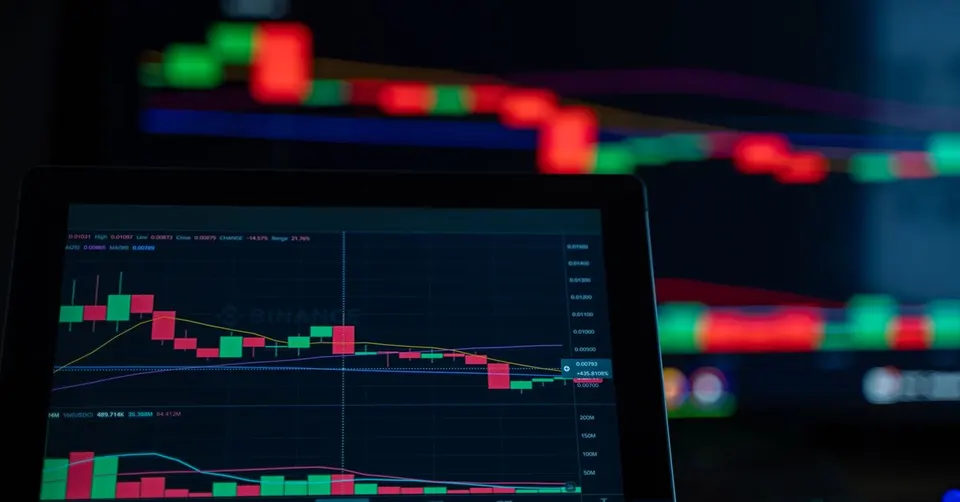
Despite the dramatic headlines and the sound of explosions, financial markets are showing a surprising degree of calculation. Bitcoin has remained relatively flat, trading near $64,088, as investors balance the fear of regional war against the potential for a diplomatic breakthrough. In the local Iranian market, the Toman has actually shown slight resilience; the USD/IRR rate moved from 191,000 to 190,200, representing a 0.4% decrease in the dollar's value over the last 24 hours. Similarly, the price of 18k gold per gram saw a modest decline of 0.9%, moving from 18,574,264 to 18,401,126 Toman. This suggests that the market may have already priced in a high level of conflict, or that central bank interventions are successfully preventing a full-scale currency panic.
Adding a layer of complexity to the situation, US Secretary of State Marco Rubio recently stated that Washington remains "open to diplomacy" with Tehran. According to Rubio, there are signals that Iran may be interested in a negotiated settlement even as the kinetic strikes continue. This "dual-track" approach—striking military assets while leaving the door open for talks—suggests that both sides are wary of a total collapse into all-out war. For the average reader, this means that while the kinetic conflict is real and dangerous, the ultimate resolution may still lie in the quiet negotiations taking place in regional capitals like Muscat or Doha. However, with gold at $4,008 per ounce and oil at $90, the cost of a diplomatic failure has never been higher.
Watch
BREAKING: US launches 9th night of strikes on Iran
Fox News
Frequently Asked Questions
Why has LNG traffic stopped in the Strait of Hormuz?
How is the Iranian Toman reacting to the 9th night of strikes?
What did Marco Rubio mean by 'open to diplomacy'?
The Strait of Hormuz: Global Energy's Vital Choke Point
The Strait of Hormuz is far more than just a narrow body of water; it is arguably the world's most critical energy choke point, a geographical bottleneck through which a significant portion of the planet's oil and liquefied natural gas (LNG) must pass. Situated between Oman and Iran, connecting the Persian Gulf to the Gulf of Oman and the Arabian Sea, its strategic location makes it indispensable for the energy exports of major producers like Saudi Arabia, Iran, Iraq, Kuwait, Qatar, and the UAE. Its narrowest point is just 21 nautical miles wide, making it highly susceptible to disruption.
This narrow passage handles an astonishing volume of global energy trade. According to the U.S. Energy Information Administration (EIA), a substantial percentage of the world's total seaborne crude oil and petroleum liquids, along with a significant portion of global LNG, transits through the Strait daily. Any interruption to this flow – whether due to military conflict, political blockade, or even the threat of such actions – has immediate and profound repercussions on international energy markets, directly influencing global oil benchmarks like Brent crude.
The current geopolitical tensions, as hinted by headlines mentioning "US Strikes" and "LNG shipment halt," underscore the Strait's vulnerability. When the security of this vital artery is perceived to be at risk, global oil prices tend to surge, as seen with Brent crude hitting $90. This price volatility reflects market fears of supply shortages and the high cost of rerouting or finding alternative energy sources, which are often limited or non-existent for such vast quantities. Such spikes can trigger inflation, hinder economic growth, and destabilize international relations, making the Strait of Hormuz a focal point of global energy security concerns.