US Strikes Bushehr and Tabriz as Oil Hits $90; Bezos Bets $450M on Materials AI
حمله آمریکا به بوشهر و تبریز همزمان با نفت ۹۰ دلاری؛ سرمایهگذاری سنگین بزوس در هوش مصنوعی
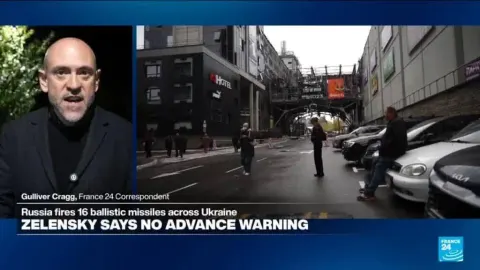
The US has escalated its aerial offensive against Iran, striking targets near the Bushehr nuclear plant and Tabriz missile bases, while Brent crude surges past $90. In the tech world, Jeff Bezos and the UK government have poured $450 million into CuspAI to revolutionize the global chip supply chain.
At time of publishing
USD
188,200
Toman
Gold 18K
18.29M
Toman / gram
Bitcoin
$64,246
US Dollar
Tether
188,980
Toman
Kinetic Escalation: US Strikes Bushehr and Tabriz
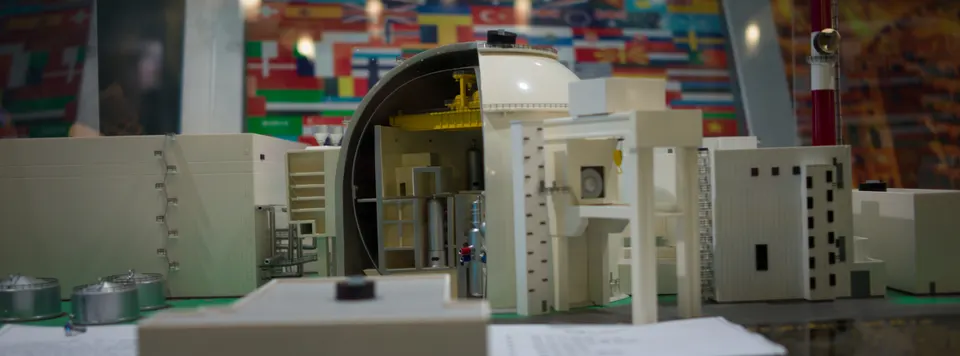
The geopolitical landscape in the Middle East has shifted into a high-intensity phase as the United States expanded its aerial offensive against Iranian territory on Monday. The US military confirmed strikes against military command centers, air defense systems, and drone launch sites. Most significantly, Iranian state media reported strikes in the vicinity of Tabriz, a region known for its extensive underground missile infrastructure, and Bushehr, which houses the nation’s only operational civilian nuclear power plant. While the US claims to target only military assets to degrade offensive capabilities, the proximity of these strikes to critical infrastructure marks a sharp departure from previous containment strategies.
In response to the ninth consecutive day of American strikes, Iran has reportedly launched retaliatory attacks against US military assets in Bahrain—the headquarters of the US Navy's 5th Fleet—and Kuwait. This cycle of escalation has now claimed the lives of 16 American service members, including two recently killed in Jordan. Despite the intensity of the fighting, diplomats from both sides continue to claim that back-channel talks are ongoing, though the physical reality on the ground suggests a widening conflict that is increasingly difficult to de-escalate. For the average observer, the mixed signals of "diplomacy amid fire" create a volatile environment where any miscalculation could lead to a full-scale regional war.
Market Paradox: Toman Strengthens Despite War Drums
Global energy markets have reacted sharply to the hostilities, with Brent crude oil officially crossing the $90 per barrel threshold. The Strait of Hormuz, a vital artery for global energy, has become a zone of extreme caution for maritime operators. An empty Malta-flagged tanker was seen halting near Oman today, reflecting a growing fear among vessel owners that transiting the Strait is no longer safe. This maritime standoff is driving a risk premium into energy prices that is likely to persist as long as the US and Iran remain in a direct kinetic engagement.
Surprisingly, the Iranian domestic market showed a paradoxical correction today. Despite the reports of strikes on Tabriz and Bushehr, the USD/IRR exchange rate moved from 191,000 to 188,200, a decrease of 1.5%. Similarly, the benchmark Emami gold coin dropped from 189,000,000 to 183,000,000 Toman (-3.2%), and 18k gold fell 1.5% to 18,294,935 Toman per gram. This downward movement is likely a combination of heavy central bank intervention to prevent a total currency collapse and a "sell the news" reaction from speculators who had already priced in the escalation over the weekend. For Iranians, this brief respite in the exchange rate offers little comfort as the underlying threat of infrastructure destruction and long-term sanctions remains at an all-time high.
Bezos and the AI Race for Rare Materials
While the Middle East burns, the global technological frontier is moving toward a new era of resource independence. Amazon founder Jeff Bezos and the UK government’s sovereign AI fund have led a $450 million investment round into CuspAI, a Cambridge-based startup now valued at $2.6 billion. CuspAI is building what experts call a "search engine for materials," using generative AI to design new synthetic materials that can replace rare metals in the semiconductor and green energy supply chains. This is a strategic move designed to insulate Western tech manufacturing from the volatility of global mining and the geopolitical leverage held by countries with large mineral deposits.
This investment highlights a critical shift in the AI narrative: moving beyond chatbots and image generation toward solving hard physics and chemistry problems. By accelerating the discovery of materials that don't yet exist, CuspAI aims to slash research times from decades to months. For the global economy, this means the next generation of chips and batteries could be cheaper and more sustainable. It also signals that even as traditional energy routes like the Strait of Hormuz face disruption, the world’s most powerful investors are betting on a future where software-defined materials mitigate the risks of physical supply chain fragility.
Crypto Outlook: Bitcoin as a Volatile Safe Haven
Bitcoin (BTC) is currently trading at $64,246, maintaining a critical support level for the third consecutive week. Despite the "Fear" reading on the sentiment index, institutional interest remains robust, with Bitcoin ETFs seeing $273 million in net inflows recently. Analysts suggest that while the broader crypto market is drifting lower alongside equities, Bitcoin is increasingly viewed by some as a "war hedge" against the inflationary pressures of $90 oil and regional instability. However, the $67,000 price target remains elusive as retail traders remain hesitant to jump into high-risk assets during a period of active military conflict.
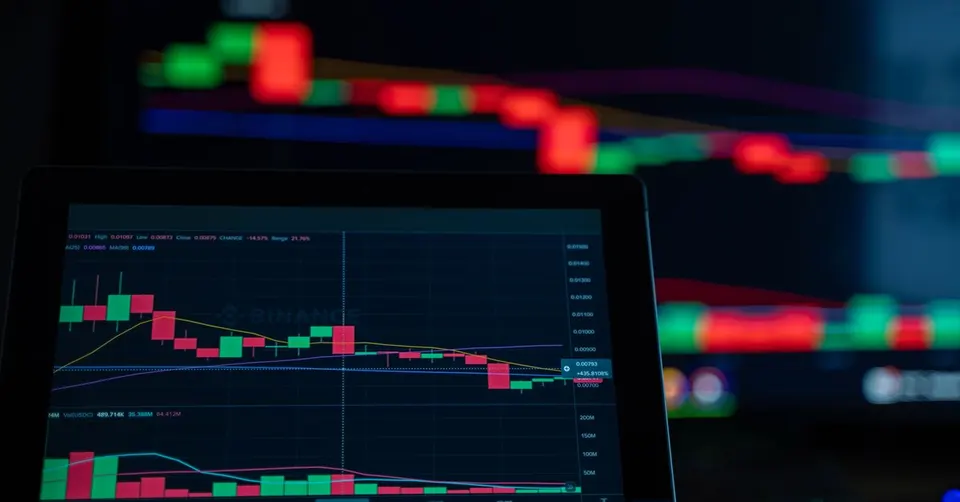
The divergence between Bitcoin and smaller altcoins is becoming more pronounced. While BTC holds its ground, most of the market is slipping, with the exception of social-media-driven surges in specific tokens. For Iranian crypto users, the USDT (Tether) price of 188,980 Toman remains the most important metric, serving as a real-time indicator of local capital flight. As the conflict in the Persian Gulf continues, the demand for stablecoins as a way to preserve wealth outside the reach of the local banking system is expected to grow, regardless of the fluctuations in the global BTC price.
Frequently Asked Questions
Why did the US target areas near Bushehr and Tabriz?
Why is the Toman strengthening while a war is ongoing?
What is CuspAI and why is Jeff Bezos investing in it?
The Strait of Hormuz: A Global Chokepoint for Oil
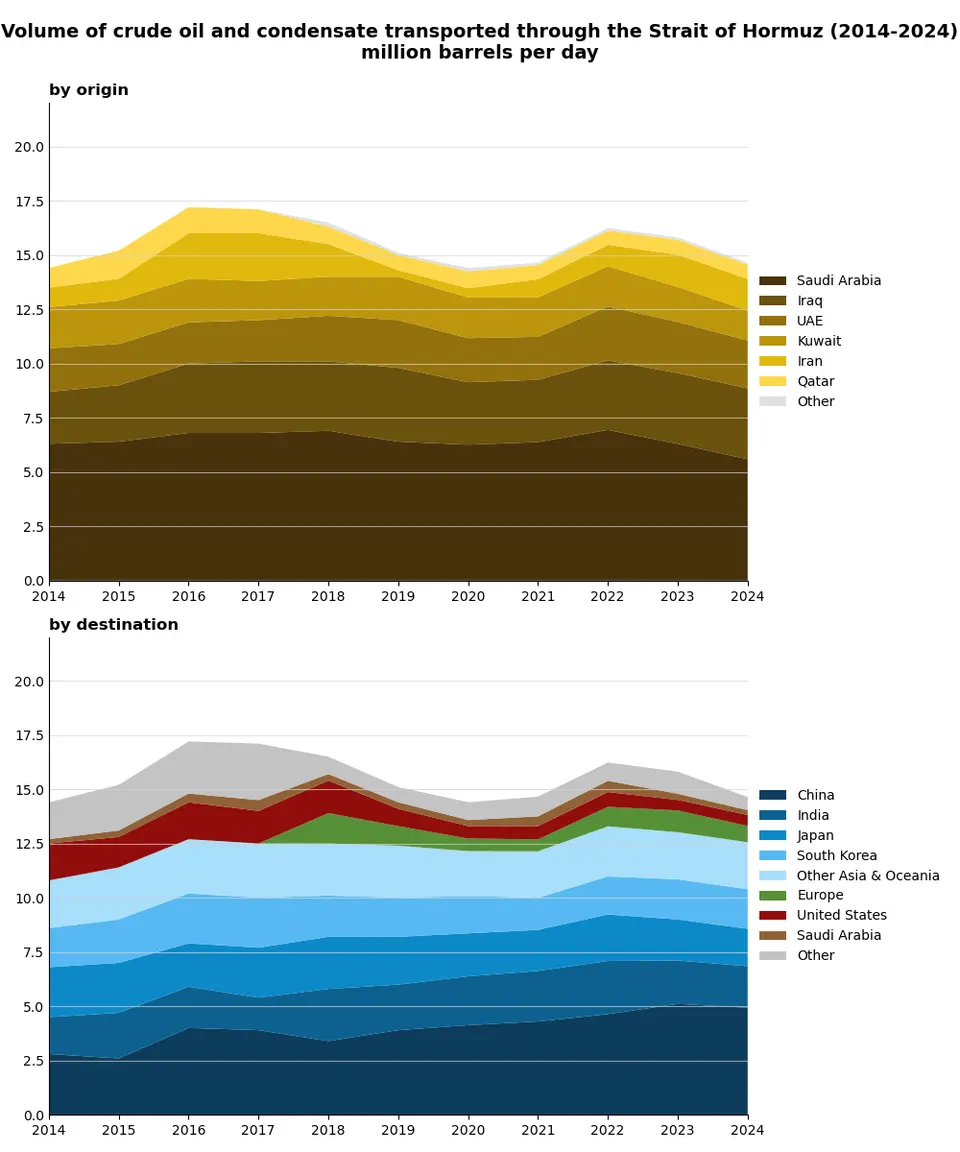
The Strait of Hormuz is one of the world's most critical maritime chokepoints, a narrow waterway connecting the Persian Gulf to the Arabian Sea and beyond. For decades, it has served as the primary transit route for a significant portion of the world's seaborne oil, making its security indispensable to global energy markets. Its strategic importance cannot be overstated, as any disruption to this vital passage can send shockwaves through the global economy, directly impacting oil prices and international trade.
Geographically, the Strait is remarkably narrow, with its width shrinking to just 21 nautical miles (39 kilometers) at its narrowest point. This restricted passage is traversed by two 2-mile-wide (3 km) shipping lanes for inbound and outbound tanker traffic, separated by a 2-mile buffer zone. The sheer volume of oil passing through this strait is staggering; according to the U.S. Energy Information Administration (EIA), it accounts for roughly one-fifth of the world's total petroleum liquids consumption, including crude oil and refined products. Major oil producers like Saudi Arabia, Iran, UAE, Kuwait, and Iraq rely on this strait for their oil exports.
Given its strategic location and the immense volume of energy resources it carries, the Strait of Hormuz is inherently vulnerable to geopolitical tensions. Conflicts or instability in the surrounding region, particularly involving major powers like Iran and the United States, often raise concerns about the safety of shipping and the potential for a blockade or disruption. Such fears can immediately trigger spikes in global oil prices, as traders factor in the risk of supply shortages. Understanding the Strait of Hormuz is thus key to comprehending the intricate link between Middle Eastern geopolitics and global energy security.