Pezeshkian Declares 'Full-Scale War' as US Strikes Expand; Toman Holds Firm Below 190k
اعلام «جنگ تمامعیار» توسط پزشکیان همزمان با گسترش حملات آمریکا؛ ایستادگی تومان در کانال ۱۸۸ هزار
Iran's president warns of a full-scale conflict following US strikes on Tabriz and Bushehr, while domestic markets show a surprising 1.3% recovery for the Toman. Global oil prices have surged past $90 as tensions in both the Persian Gulf and Black Sea threaten critical supply chains.
At time of publishing
USD
188,600
Toman
Gold 18K
18.20M
Toman / gram
Bitcoin
$64,917
US Dollar
Tether
187,958
Toman
Pezeshkian Warns of 'Full-Scale War' as US Strikes Expand to Tabriz and Bushehr
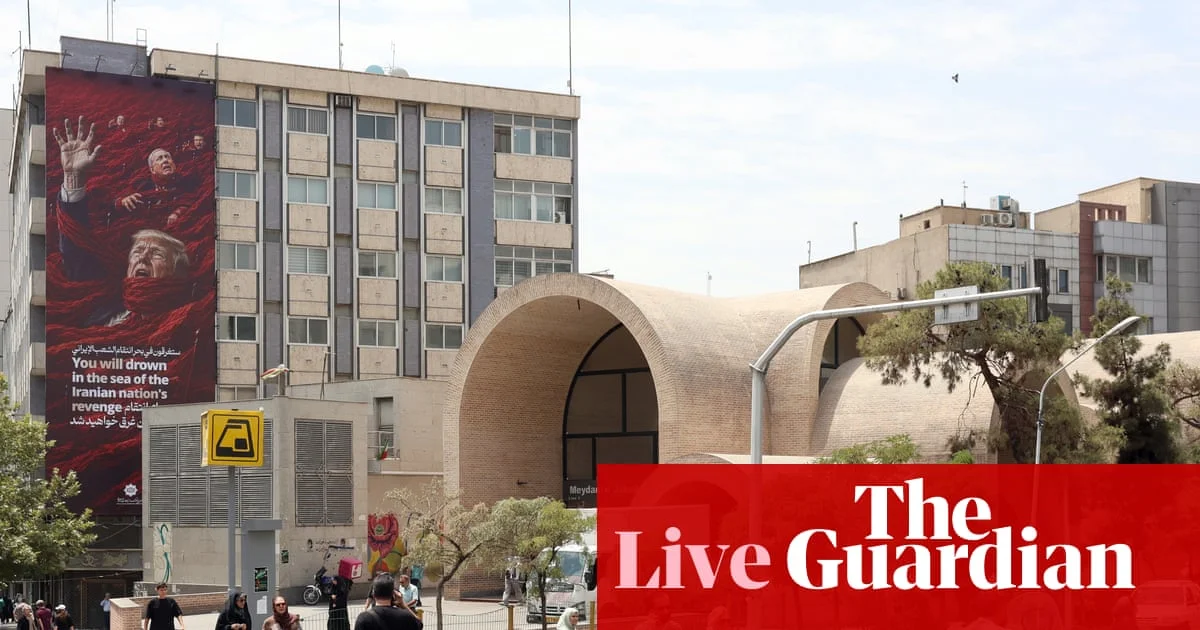
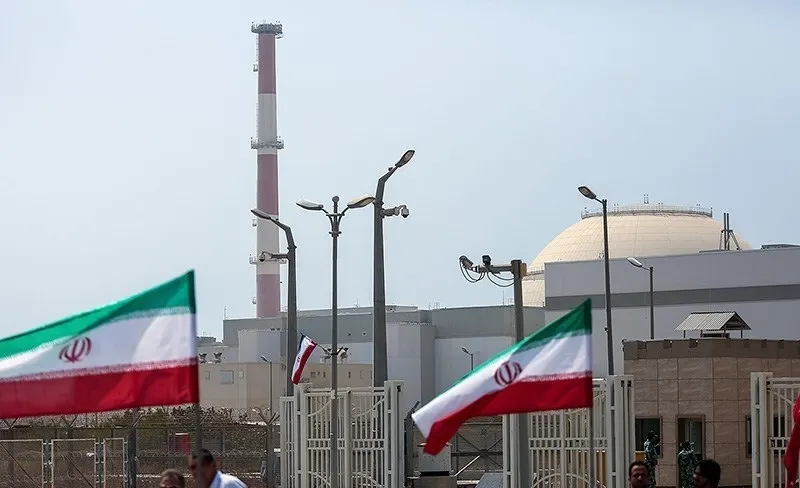
President Masoud Pezeshkian has officially characterized the current state of conflict between Iran and the United States as a "full-scale war," following a significant expansion of American aerial operations. Over the last few hours, reports have emerged of strikes targeting critical infrastructure near Tabriz, a city known for its strategic underground missile complexes, and Bushehr, the site of Iran's primary civilian nuclear power plant. While the US military claims these operations are surgical strikes aimed at degrading the Islamic Republic's ability to threaten maritime traffic in the Strait of Hormuz, the rhetorical shift from Tehran suggests a deepening crisis that moves beyond localized skirmishes.
The impact of this escalation has been immediately felt in global energy markets, with Brent crude jumping 2.72% to reach $90.50 per barrel. This price surge reflects growing fears that the conflict could lead to a permanent closure of the Strait of Hormuz, through which approximately 20% of the world's oil and gas flows. Despite the bellicose language, diplomats from several neutral nations have indicated that back-channel de-escalation talks are still ongoing, though the widening geographic scope of the US strikes—now hitting command centers and air defense networks deep within Iranian territory—makes a diplomatic off-ramp increasingly narrow.
Toman Defies Escalation: Currency and Gold Prices Retrace Despite War Rhetoric
In a surprising turn of events for domestic observers, the Iranian Toman has shown unexpected resilience in the face of "full-scale war" declarations. As of 19:00 Tehran time, the USD sell rate has actually decreased to 188,600 Toman, marking a 1.3% drop from its previous level of 191,000. This counter-intuitive market behavior suggests that the "war premium" may have been prematurely priced in during the initial days of the conflict, or that the Iranian central authorities are intervening heavily to prevent a total currency collapse that would further destabilize the domestic front.

The gold market followed a similar downward trajectory, with 18-karat gold falling 2.0% to 18,195,669 Toman per gram. The benchmark Emami coin also saw a significant correction, dropping 3.2% to 183,000,000 Toman. For the average Iranian citizen, this price action is a double-edged sword; while it offers temporary relief from the rapid inflation of the past week, it also creates a climate of extreme uncertainty. Market analysts suggest that investors might be moving into more liquid assets or awaiting the outcome of the rumored de-escalation talks before committing to further hedges in hard currency or bullion.
Global Instability Spreads: Odesa Strikes and the AI Pivot in Emerging Markets
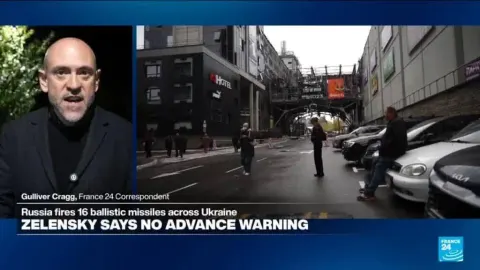
While the Middle East dominates the headlines, the conflict in Eastern Europe continues to escalate with devastating consequences. A Russian missile attack on the port city of Odesa has claimed three lives, occurring shortly after Ukraine launched a massive drone offensive involving 400 units targeting the Moscow region. This "tit-for-tat" escalation in the Black Sea is once again threatening global grain supplies, as Odesa remains a primary hub for wheat and corn exports. The intersection of these two major conflicts—one in the Persian Gulf and one in the Black Sea—is creating a perfect storm of supply chain fragility that is keeping global inflation expectations high.

In the financial world, this geopolitical chaos is accelerating a massive shift toward "safe haven" technology sectors, specifically Artificial Intelligence. Emerging markets funds are increasingly pivoting toward South Korean stocks, transforming what were once broad-market bets into concentrated plays on AI infrastructure. Companies like Samsung and SK Hynix are benefiting from this trend as investors seek out tangible technological utility over speculative growth. Simultaneously, Bitcoin mining firms like IREN are seeing double-digit stock gains after successfully pivoting their operations toward AI cloud services, signaling that the intersection of energy, computing power, and national security is becoming the new foundation of the global economy.
Frequently Asked Questions
Why did the Toman gain value despite the 'full-scale war' declaration?
What was the specific target of the US strikes in Tabriz and Bushehr?
How is the conflict in Ukraine affecting global markets alongside the Iran crisis?
Geopolitical Risk and Currency Valuation
Geopolitical events, ranging from declarations of "full-scale war" to regional conflicts, are powerful catalysts that can dramatically influence a nation's currency value. Currency markets are highly sensitive to political stability and economic predictability. When significant geopolitical risks emerge, investors often reassess the safety and future prospects of a country's assets, leading to shifts in demand for its currency. This dynamic interplay between international relations and financial markets is a crucial aspect of global economics.
Typically, heightened geopolitical tensions and the threat of conflict tend to weaken a country's currency. This is primarily due to several factors: capital flight, where investors move their money to perceived safer havens; reduced foreign direct investment, as businesses become hesitant to commit resources to an unstable region; and general economic uncertainty, which can dampen trade and tourism. Such circumstances usually lead to a sell-off of the affected currency, increasing its supply relative to demand and causing its value to depreciate against major global currencies.
However, the headline noting the Iranian Toman "holding firm" despite declarations of conflict presents a more nuanced picture. A currency's resilience in the face of geopolitical risk can be attributed to various counteracting forces. These might include strong central bank intervention, where the central bank uses its foreign reserves to prop up the currency; robust commodity prices, such as oil, which provide a steady stream of foreign currency revenue for exporting nations like Iran; strict capital controls that limit the ability of money to leave the country; or even a significant disconnect between official and black market exchange rates, where the "firmness" might only apply to controlled official rates.
Ultimately, understanding currency valuation in a geopolitically charged environment requires looking beyond simple cause-and-effect. It involves analyzing a complex web of government policies, economic fundamentals, market sentiment, and the unique structural characteristics of a nation's financial system. The apparent stability or volatility of a currency is often a reflection of these multifaceted pressures.