
EU Slaps AliExpress with Record €550M Fine; Toman Gains Strength as Gold Dips
جریمه سنگین ۵۵۰ میلیون یورویی اتحادیه اروپا برای علیاکسپرس؛ تداوم ریزش قیمت دلار و طلا در بازار تهران
The European Union has issued a historic fine to AliExpress for failing to curb illegal goods, signaling a new era of tech regulation. Meanwhile, the Iranian market sees a notable correction as USD and gold prices retreat from recent highs.
At time of publishing
USD
187,800
Toman
Gold 18K
18.23M
Toman / gram
Bitcoin
$64,342
US Dollar
Tether
188,190
Toman
The End of E-Commerce Lawlessness: AliExpress Fined €550m
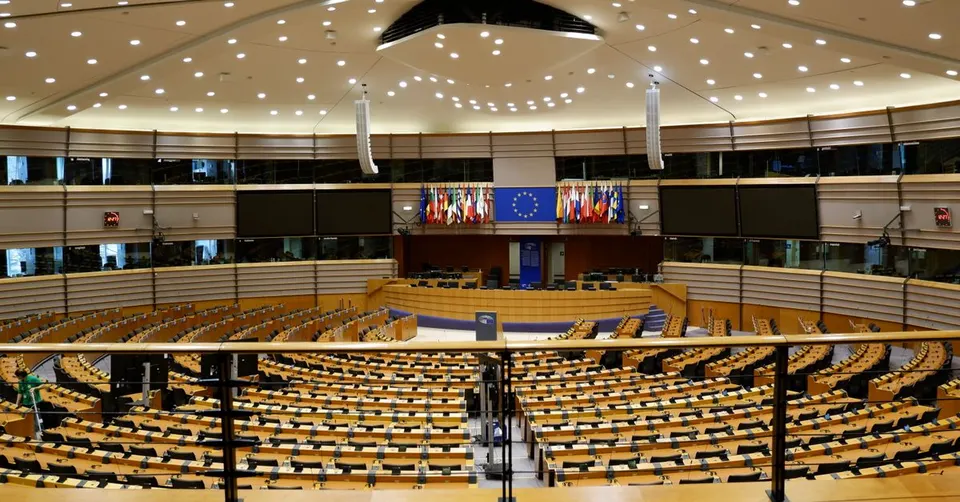
The European Union has delivered a decisive blow to the Wild West of online retail, slapping Chinese e-commerce giant AliExpress with a record-breaking €550 million ($629 million) fine. This penalty, the largest ever under the Digital Services Act (DSA), stems from the platform's consistent failure to prevent the sale of illegal and dangerous goods. European regulators cited numerous instances of counterfeit products, unsafe toys, and harmful cosmetics being readily available to EU consumers, marking a significant shift in how tech giants are held accountable for their third-party listings.
This move is not just about a single company; it represents the full activation of the DSA’s teeth. For years, platforms like AliExpress operated under the assumption that they were merely intermediaries, but the EU is now making it clear that digital marketplaces bear direct responsibility for the safety of their ecosystems. For businesses and consumers, this means a likely tightening of seller verification processes and a potential increase in operating costs for platforms that have built their empires on high-volume, low-regulation trade. It sends a clear signal to other global players that the European market is no longer a permissive environment for substandard or counterfeit goods.
Market Correction: Toman Rallies as Gold and Bitcoin Face Headwinds
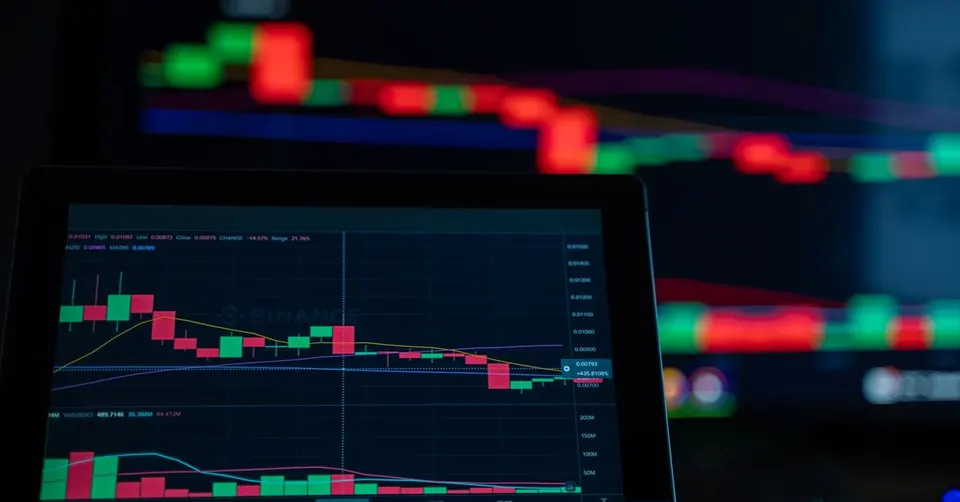
The Iranian domestic market is experiencing a cooling period following a week of intense geopolitical volatility. At 15:00 Tehran time, the US Dollar (USD) sell rate moved from 191,000 to 187,800 Toman, marking a 1.7% decrease within 24 hours. This downward trend was even more pronounced in the precious metals sector, where the Emami gold coin dropped from 189,000,000 to 183,000,000 Toman, a significant 3.2% decline. This correction suggests that the immediate 'war premium' added to prices during recent escalations is beginning to dissipate as traders lock in profits and wait for more definitive geopolitical signals.
On the global stage, the sentiment is equally cautious. Bitcoin is currently trading at $64,342, but analysts are sounding the alarm over potential Federal Reserve actions. With Goldman Sachs economists warning that inflation is broadening out, there are growing fears that the Fed may hike interest rates again. Historical data provides a grim reminder: the last time the Fed engaged in such aggressive hiking cycles, Bitcoin lost 65% of its value. This macro uncertainty, combined with the strengthening of the Toman, has led many Iranian investors to shift back toward liquid assets, awaiting the next major move in the global interest rate environment.
Geopolitical Tensions and the Attack on Global Science
While markets show signs of stabilization, the political landscape remains fraught with tension. In the United States, a massive shift in scientific funding is underway as the Trump administration moves to put a $1 trillion grant system under the control of political appointees. This proposal has sent shockwaves through the global scientific community, with experts like Harvard’s Nancy Krieger reporting the sudden cancellation of major health research grants. This politicization of science could have long-term impacts on global health innovation and the collaborative spirit that has defined international research for decades.
Closer to home, the regional temperature remains high despite the quiet market. The death toll of U.S. troops in Jordan has risen to 16, prompting renewed vows of vengeance from Washington. This ongoing friction continues to cast a shadow over the Middle East, even as localized positive stories emerge. For instance, Iranian state media reports a partial revival of Lake Urmia, with tourists returning to its shores after years of drought. This environmental recovery offers a rare moment of respite, though it stands in stark contrast to the broader regional instability that continues to drive long-term economic anxiety for the Iranian public.

Frequently Asked Questions
Why was AliExpress fined such a large amount by the EU?
How much did the USD and Gold prices drop in Iran today?
What is the risk for Bitcoin if the Fed hikes rates again?
The EU's Digital Services Act: Reshaping Online Accountability
The Digital Services Act (DSA) is a landmark piece of European Union legislation designed to create a safer and more accountable online environment. Enacted to address the growing power and influence of large online platforms, the DSA aims to protect users' fundamental rights, combat the spread of illegal content, and increase transparency regarding how these platforms operate. The recent scrutiny on major online marketplaces like AliExpress, as mentioned in the headline, underscores the DSA's significant impact and the EU's commitment to enforcing its provisions.
At its core, the DSA establishes a comprehensive set of rules for online intermediaries, from social media and online marketplaces to hosting services. Key objectives include mandating platforms to implement robust mechanisms for users to report illegal content and for platforms to act swiftly; increasing transparency around advertising and recommender systems (algorithms); and holding Very Large Online Platforms (VLOPs) and Very Large Online Search Engines (VLOSEs) accountable for systemic risks, such as the spread of disinformation or harmful products. This means platforms must be more proactive in moderating content and more transparent about their internal workings.
For companies operating globally, the DSA's reach extends far beyond the EU's borders, impacting any platform that serves users within the Union. Non-compliance carries substantial penalties, with fines that can reach up to 6% of a company's global annual turnover. This financial implication highlights the seriousness with which the EU views these regulations, pushing tech giants to fundamentally rethink their operational models, content moderation strategies, and commitment to user safety and transparency. Understanding the DSA is crucial for comprehending the evolving landscape of digital governance and its implications for both businesses and everyday internet users worldwide.