US Names Fallen Soldiers Amid Iran Escalation; Oil Prices Retrace on Ceasefire Rumors
افشای هویت سربازان کشتهشده آمریکا در نبرد با ایران؛ عقبنشینی قیمت نفت با شایعه آتشبس
The US military has identified two soldiers killed in Jordan as strikes on Iran enter their ninth night, while oil prices retreated from $90 following reports of a potential 10-day ceasefire proposal. In Tehran, the Toman strengthened by 1.3% as markets reacted to the diplomatic signals.
At time of publishing
USD
188,600
Toman
Gold 18K
18.25M
Toman / gram
Bitcoin
$64,510
US Dollar
Tether
188,380
Toman
US Identifies Casualties as Ninth Night of Strikes Concludes
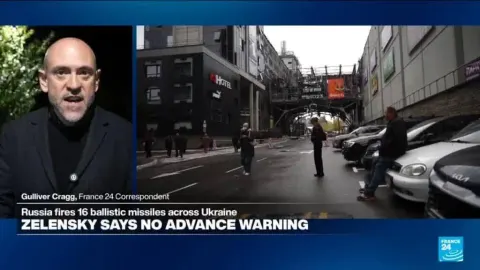
The US Department of Defense has officially identified the two service members killed during the ongoing conflict with Iranian-backed forces. 1Lt Tyler James Feehan, 25, of Hawaii, and Pvt Isabella Gonzales, 19, of Texas, were killed in Jordan while supporting missions in the region. The disclosure adds a somber human face to the escalating military campaign, which has now seen nine consecutive nights of American strikes against targets inside Iran and its proxies. These operations, coordinated by CENTCOM, have reportedly targeted command centers, drone launch sites, and coastal surveillance networks intended to disrupt maritime traffic in the Strait of Hormuz.
Former President Donald Trump, returning from the FIFA World Cup final, acknowledged the casualties, describing the fallen soldiers as patriots fighting to prevent Iran from obtaining nuclear weapons. The political pressure in Washington is mounting as the administration balances its stated goal of "holding Iran accountable" with the rising cost of American lives. For readers in Iran, this escalation has direct consequences on the domestic market, as the threat of wider war initially pushed the Toman to record lows before today's slight correction. The presence of US strikes near major cities like Tabriz and Bushehr earlier this week continues to keep the public on edge, fearing a total breakdown in regional security.

Oil Prices Reverse as Ceasefire Rumors Surface
Global energy markets experienced a volatile session as Brent crude briefly breached the $90 per barrel mark before reversing lower. This sudden cooling of prices followed reports of a proposed 10-day ceasefire, which Iran’s foreign ministry suggested could lead to renewed negotiations with the United States. While the ceasefire remains unconfirmed, the mere possibility of a diplomatic off-ramp was enough to trigger a sell-off in the energy sector. Oil prices had been buoyed by the ninth night of US strikes and reports of a vessel on fire in the Strait of Hormuz, but the potential for a pause in hostilities has temporarily eased the "war premium."
In the Tehran market, this geopolitical shift led to an immediate strengthening of the Iranian Toman. The USD sell rate moved from 191,000 to 188,600, representing a 1.3% decline in the dollar's value over the last 24 hours. Gold and coin markets followed suit, with the Emami coin dropping 3.2% to 183,000,000 Toman. This suggests that local investors are highly sensitive to even the slightest hint of de-escalation, though the underlying economic fundamentals remain fragile due to the heavy sanctions regime and the physical damage to infrastructure from recent strikes.
MicroStrategy Bolsters Cash Reserves Amid Market Turbulence
While geopolitics dominated the headlines, the corporate world saw major moves from MicroStrategy (MSTR), the largest corporate holder of Bitcoin. The company announced it has raised $263.5 million through the sale of MSTR shares, bringing its total cash reserves to a staggering $3.2 billion. Interestingly, Michael Saylor’s firm chose to keep its Bitcoin holdings steady at 843,775 BTC for the second consecutive week. The move appears to be a strategic pivot toward liquidity, allowing the firm to pay dividends on its preferred stock and maintain a war chest during a period of extreme global uncertainty.
Bitcoin itself has remained relatively stable at $64,510, acting as a neutral observer to the Middle East conflict. For Iranian crypto traders, the stability of Bitcoin combined with the slight drop in the USDT/Toman rate (now at 188,380) offers a brief window of reduced volatility. However, the broader trend shows that as traditional markets like oil and gold react to missiles and ceasefires, the crypto market is increasingly being viewed through the lens of institutional liquidity and corporate treasury management rather than just a speculative war hedge.

Frequently Asked Questions
Why did the price of the US Dollar drop in Tehran today?
Who were the US soldiers identified in the recent conflict?
Did oil prices stay above $90 per barrel?
What is MicroStrategy's current Bitcoin strategy?
Geopolitical Risk and the Strait of Hormuz: Impact on Global Oil Prices
The recent headlines connecting US-Iran tensions with fluctuating oil prices highlight a fundamental principle of global economics: geopolitical risk significantly influences commodity markets, especially crude oil. When political instability or military escalation flares up in key oil-producing or transit regions, the perceived risk of supply disruptions immediately impacts prices. This is not merely speculation; it reflects real concerns about the flow of a vital global resource.
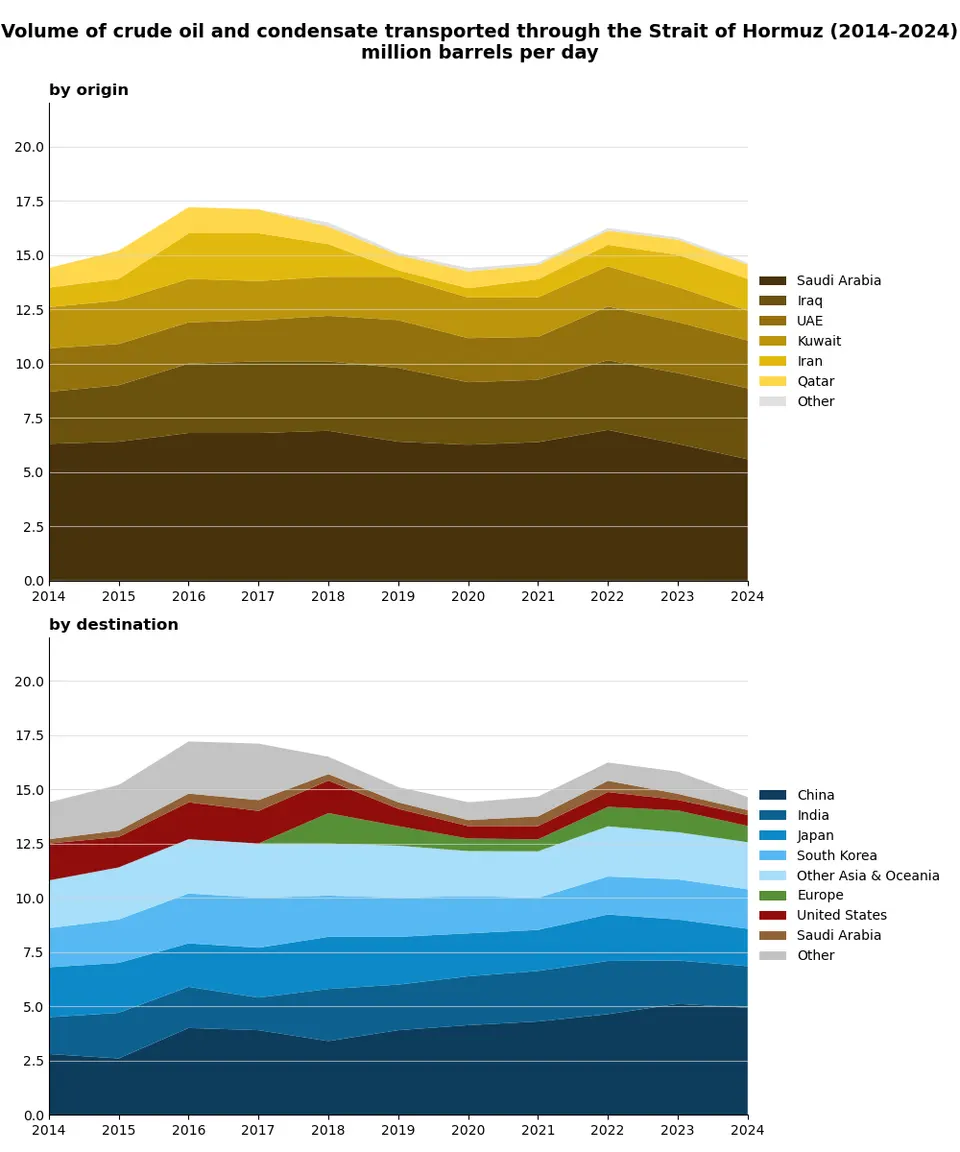
A prime example and a critical focal point in US-Iran relations is the Strait of Hormuz. This narrow waterway, situated between Iran and Oman, is arguably the world's most important oil transit chokepoint. Annually, a substantial portion—roughly 20-30%—of the world's total petroleum liquids consumption, including crude oil and refined products, passes through this strait. Any threat to its free passage, whether from naval incidents, political rhetoric, or military action, sends immediate shockwaves through the global energy market.
The mechanism is straightforward: heightened tensions around the Strait of Hormuz lead to fears of supply disruption. Traders and markets react by bidding up crude oil prices, such as Brent crude, to account for the increased risk premium. This is why news of "Iran escalation" often sees oil prices climb, while "ceasefire rumors" or de-escalation can cause prices to retrace. The market discounts the likelihood of future supply interruptions, causing prices to fall back as the perceived risk diminishes. Understanding this dynamic is crucial for comprehending how distant geopolitical events directly impact everything from national economies to the price at your local gas pump.
This concept extends beyond immediate price fluctuations, touching upon broader issues of energy security and international relations. Nations heavily dependent on oil imports from the Middle East are particularly sensitive to events in the Strait of Hormuz, often maintaining strategic petroleum reserves to mitigate potential shocks. Thus, the stability of this waterway is not just an economic concern but a cornerstone of global energy policy and security.