
Tehran Talks, Oil Surges Past $100, and AI Lawsuits Mount
دیدار مقامات تهران، نفت بالای ۱۰۰ دلار و شکایت از هوش مصنوعی
Iranian Parliament Speaker Ghalibaf met with the Iraqi Prime Minister in Tehran as oil prices surged past $100 a barrel amid escalating regional tensions. Meanwhile, a lawsuit alleges that ChatGPT's medical advice nearly killed a user, highlighting growing concerns over AI's real-world impact.
At time of publishing
USD
193,500
Toman
Gold 18K
18.98M
Toman / gram
Bitcoin
$64,861
US Dollar
Tether
191,208
Toman
Ghalibaf and Iraqi PM Discuss Regional Ties in Tehran
Iranian Parliament Speaker Mohammad Bagher Ghalibaf held talks with Iraqi Prime Minister Ali Faleh al-Zaidi in Tehran today. The meeting, reported by IRNA, underscores the ongoing diplomatic engagement between Iran and its neighbours amidst heightened regional instability. While specific details of their discussions were not immediately released, such high-level exchanges typically focus on bilateral relations, economic cooperation, and security concerns, particularly in the context of the broader Middle East conflict.
This meeting occurs at a critical juncture, with regional tensions at a peak and Iran playing a central role in geopolitical dynamics. The discussions are likely to have touched upon the prevailing security situation, potential avenues for de-escalation, and collaborative efforts to manage shared borders and economic interests. For Iranian citizens, these diplomatic overtures can influence perceptions of regional stability, potentially impacting currency expectations and trade flows, even if indirectly.
---
Oil Prices Soar Past $100 Amid Houthi Attacks and Trump's Threats
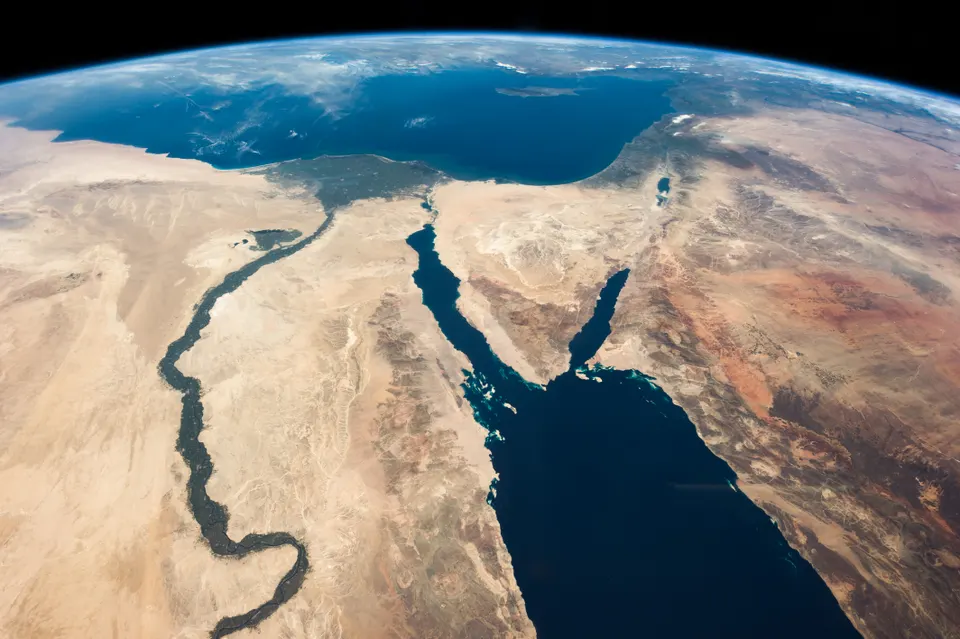
Global oil benchmarks, including Brent crude, surged past $100 a barrel to a two-month high today. This price jump was triggered by claims from Yemen's Houthi militants of attacks on two Saudi Arabian tankers in the Red Sea, a vital shipping artery. The escalating conflict in the region, exacerbated by threats from US President Donald Trump regarding potential "massive attacks" against Iran, has sent shockwaves through energy markets. Trump's statements, made in response to regional hostilities, have further amplified fears of wider conflict and supply disruptions.
The surge in oil prices, reaching levels not seen since May, directly impacts global economic stability. Higher energy costs translate into increased transportation expenses, higher consumer prices, and potential inflationary pressures worldwide. For Iran, while higher oil prices can offer a revenue boost, the prevailing geopolitical climate and potential for further sanctions or military escalation pose significant risks to its economy and its ability to capitalize on market dynamics. The market is watching closely to see if these tensions lead to sustained supply disruptions or a broader military engagement.
---
Trump's Nuclear Deal Stance Rattles Saudi-Israel Ties
US President Donald Trump has thrown the recently signed nuclear deal with Saudi Arabia into turmoil by stating that any agreement is contingent on the kingdom recognizing Israel. This unexpected linkage, revealed by France 24, directly challenges the framework of the deal and Saudi Arabia's long-standing position on Palestinian statehood. Riyadh has historically resisted normalizing ties with Israel without a clear pathway towards an independent Palestinian state, a stance that has only intensified following recent events in Gaza.
This development has significant geopolitical ramifications for the Middle East. It introduces a new layer of complexity to regional diplomacy, potentially undermining efforts to foster broader normalization between Arab nations and Israel under the Abraham Accords. For Iran, such a shift could be viewed as a strategic disruption, potentially altering regional alliances and influencing the broader geopolitical balance in a way that could either isolate or empower different regional actors. The implications for future economic and security pacts in the region are now highly uncertain.

---
AI Lawsuit Alleges Near-Fatal Medical Misdiagnosis by ChatGPT
A new lawsuit filed against OpenAI and its founder Sam Altman alleges that ChatGPT's medical advice led an American man to the "brink of death." The suit claims the popular AI chatbot repeatedly misdiagnosed the user, providing dangerously incorrect information when seeking medical guidance. This case highlights growing concerns about the reliability and safety of AI-generated information, particularly in critical domains like healthcare, where errors can have severe consequences.
The legal action underscores the emerging challenges of accountability and regulation in the rapidly evolving field of artificial intelligence. As AI models become more sophisticated and integrated into daily life, the potential for harm due to misinformation or malfunction increases. This lawsuit could set a significant precedent for how AI developers are held responsible for the output of their systems, potentially leading to stricter oversight and more rigorous safety testing for AI applications, especially those offering advice on health and well-being.

---
Crypto Consolidation Accelerates as BitMEX Exits
BitMEX, one of the earliest cryptocurrency derivatives exchanges, has announced its shutdown, signaling an acceleration in market consolidation within the crypto space. Analysts point to a confluence of factors driving this trend, including rising regulatory costs, increasing market concentration, and a discernible shift towards more licensed and regulated trading venues. The exit of a prominent, albeit older, player like BitMEX suggests that smaller or less adaptable platforms may struggle to navigate the evolving landscape of cryptocurrency regulation and market demands.
This consolidation trend has broader implications for the crypto market. It could lead to a more centralized ecosystem dominated by fewer, larger players, potentially impacting liquidity and trading diversity. For investors, particularly those in regions like Iran where access to global financial markets is often restricted, the shrinking number of accessible platforms and increasing regulatory scrutiny could present challenges. However, it might also signal a maturing market with greater institutional involvement and a clearer path towards regulatory compliance, which could eventually foster greater trust and adoption.
Frequently Asked Questions
What was the outcome of the meeting between the Iranian Parliament Speaker and the Iraqi Prime Minister?
Why did oil prices surge past $100 per barrel?
What is the main allegation in the lawsuit against OpenAI and ChatGPT?
What does the exit of BitMEX signify for the crypto market?
How does Trump's stance on the Saudi nuclear deal affect regional politics?
Geopolitical Risk and the Global Oil Market
The recent surge in oil prices, particularly Brent Crude past $100, is a stark reminder of how deeply intertwined global energy markets are with geopolitical events. When headlines mention "Tehran Talks," "Houthi" attacks in the Red Sea, or tensions involving major producers like Iran, Iraq, and Saudi Arabia, they are signaling potential disruptions rooted in geopolitical risk. This refers to the uncertainty and potential for adverse outcomes in international relations, conflicts, or political instability that can directly impact the supply, demand, or transportation of critical resources like oil.
The Middle East, home to some of the world's largest oil reserves, is perpetually a focal point for such risks. Instability in countries like Iraq, or strategic decisions by key players such as Iran and Saudi Arabia, can quickly alter supply expectations. Moreover, the region contains vital maritime chokepoints—narrow channels through which a significant portion of global oil trade passes. The Bab el-Mandeb Strait, at the southern end of the Red Sea, is one such critical artery. Attacks by groups like the Houthi in this area don't just threaten individual vessels; they elevate shipping costs, insurance premiums, and transit times for all cargo, including oil.
The direct consequence of heightened geopolitical risk is often a spike in oil prices. Markets react to the fear of supply disruption, even if actual supplies haven't yet been cut. Traders factor in increased costs for shipping and insurance, and speculative buying can further amplify price movements. This dynamic underscores why events far removed from a consumer's daily life—like missile attacks in the Red Sea or diplomatic shifts in Tehran—can swiftly translate into higher prices at the pump or increased energy costs for businesses worldwide, demonstrating the fragility of global supply chains to regional instability.