
Iran’s Deputy Speaker Calls for 'Full Picture' of Resistance as Tehran Gold Markets Slide 2%
فراخوان نایبرئیس مجلس برای تبیین واقعیتهای مقاومت؛ ریزش ۲ درصدی قیمت طلا در بازار تهران
Deputy Speaker Hajibabaei urges a clear narrative on regional conflicts while Tehran's gold and currency markets experience a notable cooling. Meanwhile, global investors eye Apple earnings and the Fed's next move amid a sell signal for Dow futures.
At time of publishing
USD
190,500
Toman
Gold 18K
18.30M
Toman / gram
Bitcoin
$64,075
US Dollar
Tether
189,471
Toman
The Narrative of Resistance: Hajibabaei’s Call for Public Clarity
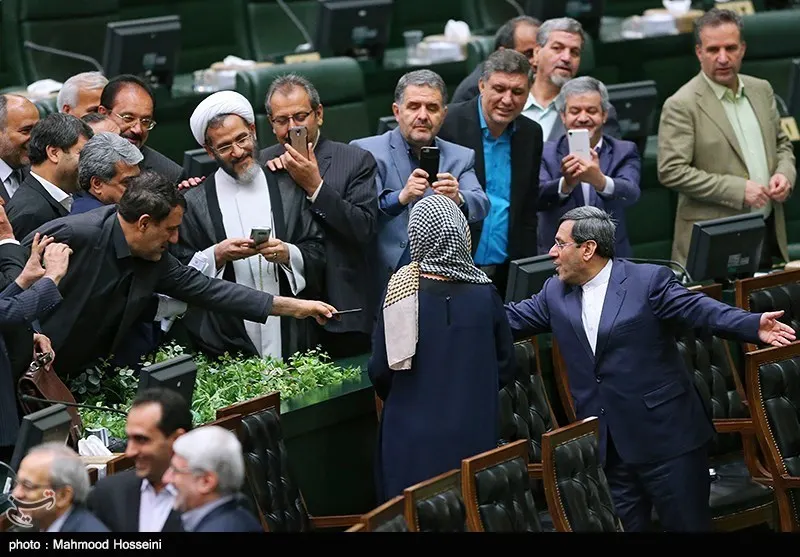
In a significant address from Hamedan, Deputy Speaker of Parliament Hamidreza Hajibabaei has called for a more comprehensive explanation of the "US-Israeli-imposed war" and the realities of Iran’s resistance. Hajibabaei emphasized that the Iranian public must be fully informed about the complexities of regional aggression to counter the "ambiguities" currently clouding public opinion. This push for a unified state narrative comes at a time when regional tensions, particularly regarding the Strait of Hormuz, remain a central theme in domestic discourse.
The Deputy Speaker’s comments suggest a strategic shift toward more proactive communication from the government. By framing the current geopolitical situation as a direct confrontation necessitated by external aggression, the leadership aims to bolster national resilience. For the average Iranian, these statements serve as a barometer for the political climate, often preceding shifts in security posture or economic policy. The focus on "resistance" remains a cornerstone of the regime's messaging, especially as indirect talks with the US are reportedly ongoing despite the heated rhetoric.
Tehran Markets Retreat: Gold and USD See Red
While political rhetoric remains sharp, the local markets in Tehran are showing a distinct cooling trend this Saturday afternoon. The price of the US Dollar (sell) has moved from 192,200 to 190,500 Toman, marking a 0.9% decrease over the last 24 hours. This slight appreciation of the Toman reflects a cautious pause in the recent volatility, perhaps influenced by the lack of new military strikes reported overnight. However, the more dramatic shift occurred in the gold sector, where 18k gold dropped from 18,687,381 to 18,301,860 Toman per gram, a significant 2.1% decline.
The Emami gold coin followed suit, falling from 188,500,000 to 184,500,000 Toman, also a 2.1% drop. Market analysts suggest this correction is a reaction to the extreme highs seen earlier in the week, combined with a momentary stabilization in regional news. For savers and investors in Iran, gold has traditionally been the ultimate hedge against inflation and war risk; thus, a 2% drop in a single day often triggers a wave of "wait-and-see" behavior among retail buyers who are wary of catching a falling knife.

Global Jitters: Apple Earnings and Fed Decisions Loom
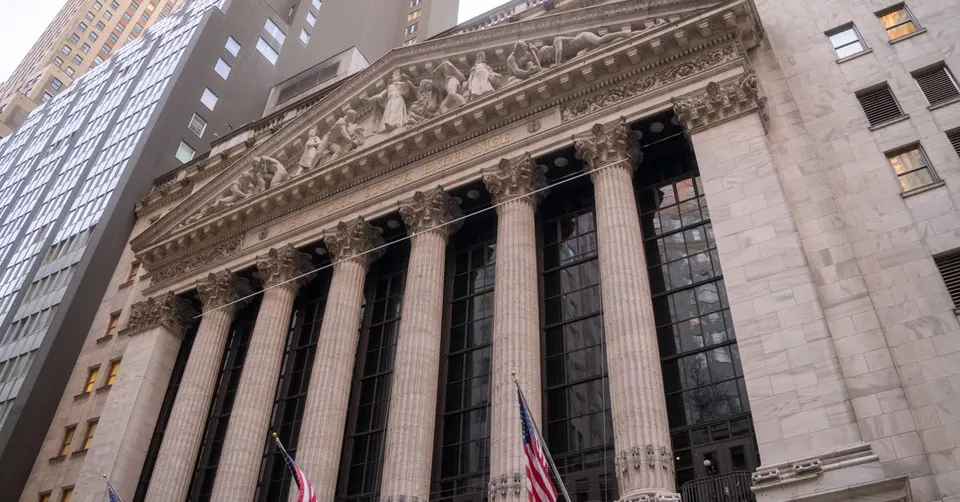
Beyond the borders of Iran, global markets are bracing for a high-stakes week. Dow Jones futures have triggered a sell signal as investors pivot their attention toward two major catalysts: Apple’s upcoming earnings report and the Federal Reserve’s policy meeting. With the Fed's decision scheduled for Wednesday, the market is divided on whether Kevin Warsh and the committee will lean toward a rate hike or maintain the status quo. This uncertainty is exacerbated by "Iran news" being cited as a primary focus for global traders, illustrating how regional stability directly impacts international stock futures.
The tech sector is also facing internal shifts, highlighted by the Dropbox CTO’s recent sale of nearly 13,000 shares. While such sales are often planned in advance, they can signal a lack of immediate upside to external investors. As AI data centers face increasing scrutiny over grid reliability—exposed by recent power line failures in Virginia—the "Big Tech" narrative is becoming more complex. For Iranian investors tracking global trends, the combination of high US interest rates and tech volatility means that the "risk-off" sentiment globally could continue to put pressure on emerging market assets and commodities like gold, which currently sits at $4,053.70 per ounce.
Frequently Asked Questions
Why is the Iranian gold market dropping while regional tensions remain?
What is the significance of Deputy Speaker Hajibabaei's comments on 'resistance'?
How is 'Iran news' affecting the Dow Jones and global stock futures?
The Role of Gold as a Safe-Haven Asset in Uncertain Economies
Gold has historically been considered a "safe-haven asset," a type of investment that is expected to retain or increase in value during times of market turbulence or economic uncertainty. Unlike stocks or bonds, which can be heavily impacted by corporate performance or interest rate changes, gold's value is often seen as more stable due to its intrinsic worth, universal acceptance, and limited supply. Investors flock to gold when they lose confidence in traditional financial systems, fiat currencies, or the overall economic outlook, viewing it as a reliable store of wealth.
In economies facing high inflation, currency devaluation, or geopolitical instability, such as Iran, gold's role as a safe haven becomes even more pronounced. Local currencies can rapidly lose purchasing power, making assets denominated in or tied to foreign currencies (like the USD) or commodities like gold highly desirable. For many Iranians, gold coins and physical gold are not just investments but essential hedges against the depreciation of the Toman and a way to preserve savings in a volatile economic environment. Its price movements in local markets often reflect public confidence (or lack thereof) in the national economy and political stability.
Therefore, when Tehran's gold markets experience a significant slide, as mentioned in the headline, it can signal several things. It might indicate a perceived increase in economic stability or a strengthening of the local currency, reducing the immediate need for a safe haven. Alternatively, it could reflect broader economic distress, forcing individuals to sell even their most secure assets to meet liquidity needs. In the context of political statements about "resistance," a falling gold price could suggest a disconnect between official narratives and the market's underlying sentiment, or perhaps a forced market correction due to specific government policies. Understanding gold's dual role as both an investment and a critical economic barometer is key to interpreting such market shifts.