UK Probes Reform UK Funding as North Korea Cracks Down on State-Linked Crypto Hackers
تحقیقات پلیس بریتانیا درباره منابع مالی حزب ریفرم؛ بازداشت هکرهای دولتی در کره شمالی
British police have launched an investigation into major donations to Reform UK, while North Korea makes a rare move against its own state-linked crypto hackers. Meanwhile, Tehran markets see a significant retreat in gold and currency prices.
At time of publishing
USD
189,200
Toman
Gold 18K
18.25M
Toman / gram
Bitcoin
$64,088
US Dollar
Tether
190,123
Toman
UK Police Launch Investigation into Reform UK’s Financial Backing
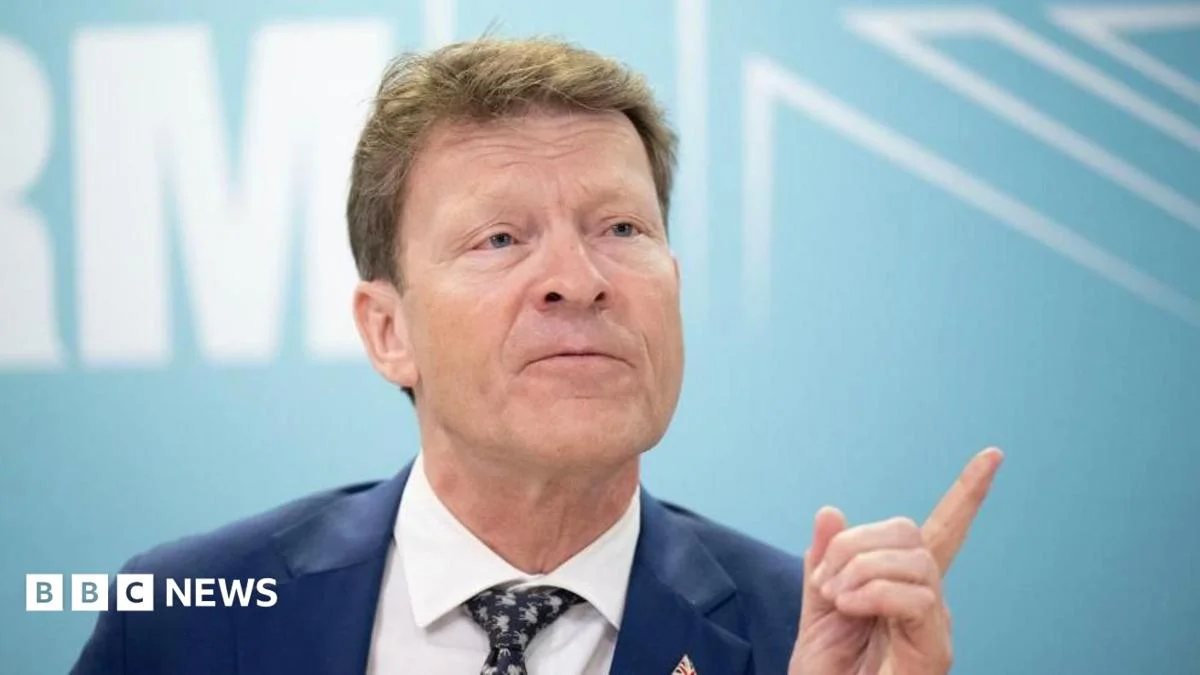
British authorities have officially opened an investigation into a series of substantial donations made to Reform UK by a company owned by the party’s deputy leader, Richard Tice. The investigation centers on 'Britain Means Business,' which reportedly funneled two separate payments of £250,000 to the party in the critical months leading up to the 2024 general election. The core of the probe involves whether these donations complied with strict electoral laws regarding the transparency of political funding and the eligibility of corporate entities to influence national elections.
This development comes at a sensitive time for the UK’s political landscape, as the Labour government faces mounting pressure to overhaul lobbying and donation rules. For Reform UK, which has positioned itself as a disruptor of the political establishment, these allegations of financial impropriety could damage its credibility among its core base. Critics argue that the use of private companies to channel large sums into political campaigns obscures the true source of the funds, potentially allowing for undue influence by wealthy individuals or hidden interests. The outcome of this police investigation could set a significant precedent for how political parties in Britain are funded moving forward.
North Korea Turns on Its Own: State Hackers Arrested for Crypto Laundering
In a surprising turn of events, North Korean authorities have reportedly arrested a group of former state cyber operators accused of laundering stolen funds through cryptocurrency. These individuals, who were previously part of the regime’s elite hacking units, allegedly breached the systems of North Korea’s own Central Bank and several state-run financial institutions. Instead of funneling the proceeds back to the government as per their original mandate, the hackers reportedly used Chinese brokers and a series of small, fragmented crypto transfers to convert the digital assets into cash for personal gain.
This crackdown highlights a growing internal challenge for the Pyongyang regime: the difficulty of controlling highly skilled cyber agents who have learned to navigate the anonymous world of decentralized finance. While North Korea has long relied on state-sponsored hacking to bypass international sanctions and fund its military programs, this incident suggests that the same tools are now being used against the state itself. By arresting these hackers, the regime is likely attempting to send a stern warning to other cyber units that any attempt to misappropriate stolen assets for private use will be met with severe consequences. For the global crypto market, this underscores the persistent role of regional brokers in facilitating the movement of illicit funds.
North Sea Oil Blunder Delays UK’s Largest Undeveloped Field
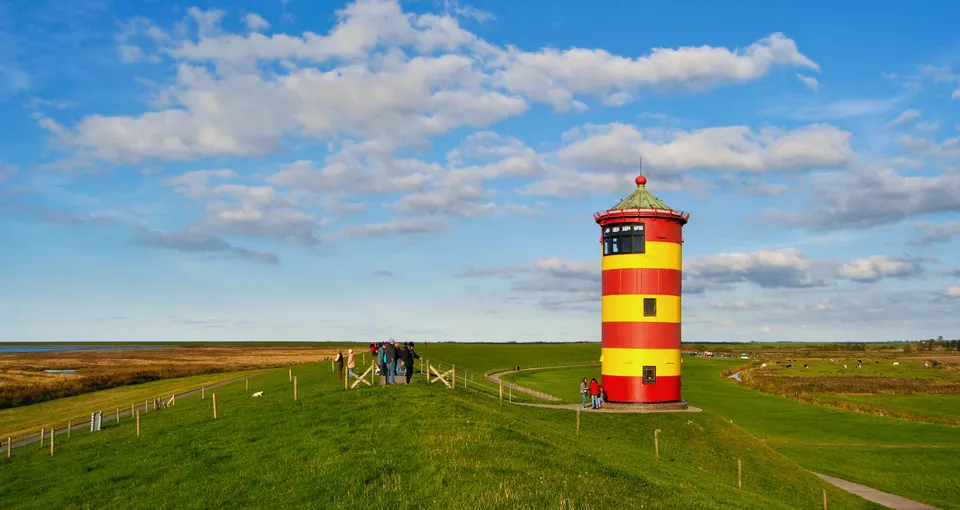
Plans to begin production at Rosebank, the United Kingdom’s largest undeveloped oil and gas field, have hit a major physical and political roadblock. A significant blunder occurred recently when critical drilling equipment was accidentally dropped into the North Sea from a rig on-site. This incident is expected to delay operations for several months, as specialized recovery teams must now be deployed to retrieve the gear and assess any potential environmental damage or structural integrity issues at the wellhead. The delay is a blow to industry proponents who argue that Rosebank is essential for the UK’s long-term energy security.
Beyond the technical failure, the situation has reignited a fierce debate within the Labour government. Prime Minister Andy Burnham’s administration is under intense pressure from both sides; fossil fuel lobbyists are demanding immediate support to get the project back on track, while climate activists and many Labour MPs are calling for the license to be revoked entirely. The accidental drop of the equipment serves as a symbolic setback for a project already mired in controversy over its impact on the UK's net-zero commitments. As energy prices remain a sensitive issue for British households, the government’s handling of the Rosebank delay will be a key indicator of its broader industrial strategy.
Tehran Market Update: Gold and USD Retrace as Global Tensions Shift
Tehran’s financial markets experienced a cooling period during Saturday’s trading session, with both the national currency and precious metals showing a downward trend. The USD/IRR exchange rate, which stood at 192,200 Toman just 24 hours ago, moved down to 189,200 Toman, marking a 1.6% decrease. This shift reflects a cautious sentiment among local traders as they weigh regional geopolitical developments against domestic liquidity conditions. While the Toman remains under long-term pressure, the immediate retreat suggests a temporary stabilization as the market absorbs the latest news from the international stage.
The gold market followed a similar trajectory, with prices retreating more sharply than the currency. Gold 18k per gram fell from 18,687,381 Toman to 18,248,764 Toman, a decline of 2.3%. The Emami coin also saw its value drop from 188,500,000 Toman to 184,500,000 Toman, representing a 2.1% loss over the 24-hour period. These corrections in the gold market are often viewed as a reaction to the global gold price, which currently sits at $4,053.70 per ounce, and a reduction in the 'risk premium' that local buyers typically pay during times of heightened regional uncertainty.
The 'Bag Seven': Investors Look Beyond Nvidia for AI Growth
In the global markets, a significant shift in investor sentiment is underway as the dominance of the so-called 'Magnificent Seven' tech giants begins to wane. Market analysts are now referring to these stocks as the 'Bag Seven,' suggesting that the initial hype-driven rally may have reached a saturation point. Instead of focusing solely on Nvidia, which has been the poster child for the AI boom, sharp investors are pivoting toward five specific S&P 500 companies that are quietly integrating artificial intelligence into their core business models without the same level of public fanfare. This diversification reflects a more mature phase of AI investment, where the focus shifts from hardware providers to companies that can effectively monetize AI applications.
This trend is particularly relevant for retail investors in regions like Iran, who often look to major US tech stocks as a hedge against local inflation. The shift toward 'quiet' AI plays suggests that the next wave of growth may come from sectors like semiconductors and digital identity. For instance, Trust Stamp recently joined an EU semiconductor initiative to advance digital identity technologies, signaling that the infrastructure for the next generation of AI services is being built far beyond the boardrooms of Silicon Valley. As the market prepares for Q2 earnings reports, the focus will be on which companies can prove that their AI investments are translating into actual revenue growth.
Frequently Asked Questions
Why is the UK police investigating Reform UK's donations?
What led North Korea to arrest its own state-sponsored hackers?
How significant was the drop in Tehran's gold and currency markets today?
How State‑Sponsored Hackers Use Cryptocurrency to Bypass International Sanctions
International sanctions are a primary tool for governments to curb the illicit activities of rogue states, but they often create incentives for creative evasion. North Korea, cut off from the global financial system, has turned to cryptocurrency as a lifeline, leveraging its borderless, pseudonymous nature to move value without relying on traditional banks. The regime funds its cyber‑crime units, which then launch ransomware attacks, cryptojacking campaigns, and direct theft of digital assets to generate hard cash that can be converted into fiat currencies.
The technical workflow typically starts with a hack that steals coins from exchanges, wallets, or victims’ computers. The stolen funds are quickly funneled through mixers or “tumblers,” which break the transaction trail by pooling and redistributing coins with others’ assets. From there, the proceeds are sent to newly created wallets, often on privacy‑focused blockchains, and finally swapped on peer‑to‑peer platforms or unregulated exchanges that lack robust Know‑Your‑Customer (KYC) checks. By the time the money reaches a conversion point, tracing it back to the original illicit act becomes extremely costly, allowing the state‑sponsored group to fund weapons programs, procurement, and other sanctioned activities.
UK authorities, including the investigative body Reform UK, have begun probing the financial networks that enable these flows, looking for links between crypto‑related transactions and traditional banking channels. Their work highlights a broader market risk: when illicit crypto proceeds infiltrate mainstream finance, they can distort asset prices, undermine investor confidence, and create systemic vulnerabilities. Analysts therefore monitor crypto‑related crime as part of global market analysis, noting that spikes in illicit activity often precede sharp movements in related equities, such as cybersecurity firms or crypto‑exchange stocks.
Policymakers are responding with a mix of tighter regulation—mandatory AML/KYC for all crypto service providers, real‑time transaction monitoring, and international information‑sharing agreements—and technical countermeasures like blockchain analytics tools. While no single solution can eradicate sanctions evasion, understanding the crypto‑hacking pipeline equips regulators, investors, and the public with the insight needed to spot and disrupt these covert financial lifelines.