
US Pauses Strikes as Toman Recovers: IRGC Urges Unity Amid Claims of American Diplomatic Betrayal
توقف حملات آمریکا و بازیابی ارزش تومان؛ تأکید سپاه بر وحدت ملی در پی «خیانت دیپلماتیک» واشنگتن
The US military has halted strikes on Iran for a second night due to dwindling munition stocks, sparking a 1% recovery in the Toman. Meanwhile, Tehran accuses Washington of destroying the foundation for dialogue as the IRGC calls for national vigilance.
At time of publishing
USD
187,000
Toman
Gold 18K
18.01M
Toman / gram
Bitcoin
$64,690
US Dollar
Tether
186,188.024
Toman
The Tactical Pause: Munition Scarcity and Diplomatic Deadlock
In a significant shift of the current regional conflict, the United States has paused its aerial campaign against Iranian targets for a second consecutive night. Reports suggest that top military advisors have cautioned Donald Trump that the campaign has reached its limit of effectiveness, compounded by a worrying depletion of precision-guided munition stocks. This operational pause comes at a critical juncture as Israeli Prime Minister Benjamin Netanyahu prepares for a high-stakes visit to the White House this Tuesday. While Netanyahu remains a vocal proponent of sustained military pressure, the Pentagon appears to be weighing the risks of an all-out war against the reality of a strained military supply chain.
Simultaneously, the Islamic Revolution Guards Corps (IRGC) has utilized the anniversary of Operation Mersad to project a message of internal strength and defiance. In a statement released on Sunday, the IRGC highlighted national unity as the primary shield against what it termed "enemy conspiracies." This rhetoric serves a dual purpose: it aims to consolidate domestic support during a period of intense economic and military pressure, while signaling to Washington that internal fissures—which the West often hopes to exploit—remain closed. For the average Iranian, this suggests a period of heightened security posturing even as the immediate threat of airstrikes temporarily recedes.

However, the diplomatic front remains bleak. Iranian state media, citing the Foreign Ministry, has declared that the United States has "destroyed the foundation" for any meaningful dialogue. This claim stems from what Tehran describes as a gross violation of the Islamabad Memorandum of Understanding. By framing recent US actions as a "third betrayal of diplomacy" within a single year, the Iranian government is effectively signaling that the window for a negotiated de-escalation is narrowing. This hardening of positions suggests that while the guns may be silent for a few nights, the underlying geopolitical friction is far from resolved.
Market Response: Toman Gains Ground as Risk Premium Fades
The pause in active hostilities has provided immediate, albeit cautious, relief to the Iranian currency markets. In the last 24 hours, the USD/IRR exchange rate moved from 188,900 to 187,000, representing a 1.0% appreciation for the Toman. This movement reflects a classic reduction in the "war premium" that has dominated the market for months. When the immediate threat of infrastructure strikes diminishes, liquidity tends to return to the Rial as panic-buying of hard currency slows down. However, with the USD still sitting near historic highs, this recovery is viewed by many analysts as a temporary correction rather than a long-term trend reversal.
The gold and coin markets followed a similar downward trajectory. The price of an 18k gram of gold fell from 18,137,956 to 18,006,371 Toman (-0.7%), while the benchmark Emami coin saw a sharper decline of 1.6%, dropping from 184,500,000 to 181,500,000 Toman. This volatility highlights how sensitive Iranian retail investors remain to geopolitical headlines. While gold is traditionally a safe haven, the rapid cooling of military tensions often leads to quick sell-offs as traders look to lock in profits or reallocate capital into other assets. For those holding gold, the current environment demands a high degree of vigilance as price swings become increasingly tied to the 24-hour news cycle.
Beyond the local market, global investors are shifting their focus toward "boring" but stable assets. As high-tech and geopolitical volatility shakes the S&P 500, there is a growing movement toward industrial infrastructure stocks. Companies involved in the physical building blocks of the economy—utilities, transport, and raw materials—are seeing renewed interest as a hedge against global instability. This rotation suggests that even if the US-Iran conflict pauses, the broader global economic sentiment remains defensive, with capital seeking shelter in tangible industries rather than speculative growth.
Tech and Privacy: The Border Search Legal Battle
In a case that has sent shockwaves through the tech and civil liberties communities, the US government is prosecuting an American citizen, Sam Tunick, for wiping his phone during a border search. Tunick allegedly used a "duress password"—a security feature designed to erase data when entered under coercion—while federal agents at Atlanta's Hartsfield-Jackson airport attempted to seize his device. This prosecution marks a significant escalation in how the state views digital privacy. For years, the legal boundary of "border search exceptions" has allowed agents to search devices without a warrant, but this case attempts to criminalize the act of proactive data protection itself.
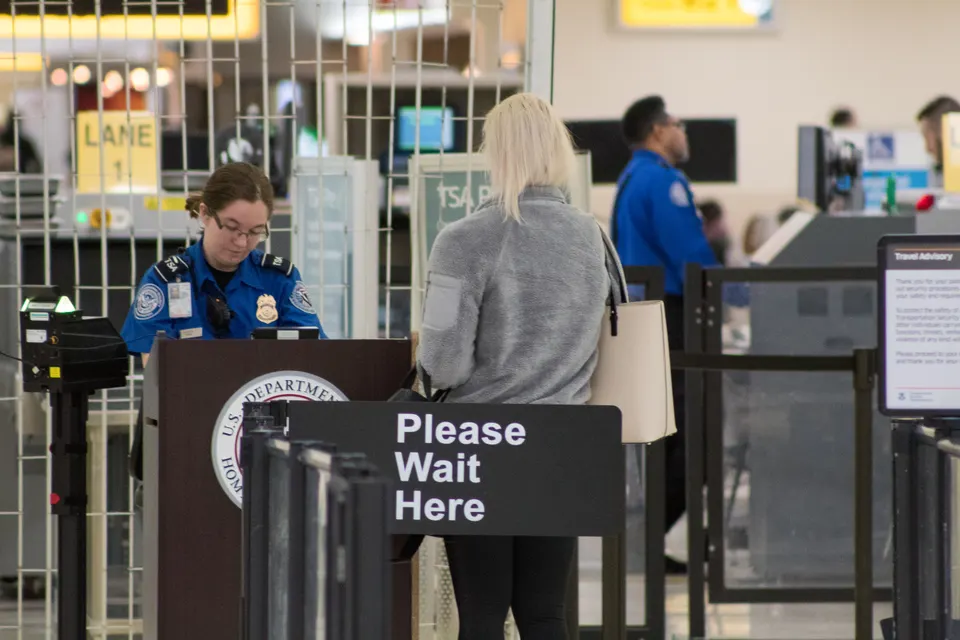
What this means for the global tech user is a potential shift in the legality of encryption and privacy tools. If the government successfully argues that wiping a phone constitutes obstruction of justice or destruction of evidence, it sets a precedent that could render many modern security features illegal in practice. For travelers, especially those in sensitive industries or those carrying proprietary data, the border is becoming a "digital no-man's land" where the right to privacy is increasingly secondary to the state's security interests. This case will likely reach higher courts, as it touches on the fundamental conflict between the Fourth Amendment (protection against unreasonable search) and modern national security protocols.
Furthermore, this incident highlights the growing sophistication of mobile security. The use of duress passwords and autonomous data-wiping agents is no longer the stuff of spy novels but a standard tool for privacy-conscious individuals. As companies like Apple and Meta continue to bank on privacy as a key selling point for their hardware—such as Apple's upcoming smart glasses—the friction between tech giants and law enforcement is bound to intensify. The outcome of the Tunick case will determine whether your digital footprint belongs to you or if it becomes state property the moment you step into an airport terminal.
Frequently Asked Questions
Why did the US pause its strikes on Iran for a second night?
How did the Iranian currency market react to the military pause?
What is a 'duress password' and why is it causing a legal battle?
The Geopolitics of Currency: Understanding the Toman's Recovery
Exchange rates are the bedrock of international finance, representing the value of one nation's currency in relation to another's. They are influenced by a complex interplay of economic fundamentals, market sentiment, and, crucially, geopolitical events. When a headline reports a "Toman recovery" amidst a "pause in strikes," it highlights how shifts in political stability and international relations can directly impact a currency's strength. A stronger currency means it takes fewer units of that currency to buy a foreign currency, like the US dollar, signaling improved economic health or reduced risk perception.
Geopolitical stability significantly underpins investor confidence. A reduction in perceived conflict or an improvement in diplomatic prospects tends to decrease the risk premium associated with a country's assets. This can encourage foreign investment, reduce capital flight, and increase demand for the domestic currency, thereby strengthening it. Conversely, heightened tensions or conflict often lead to capital outflow, reduced investment, and a weakening of the currency as investors seek safer havens. The "pause in strikes" likely signaled a decrease in immediate risk, contributing to the Toman's appreciation by calming market fears.
Beyond geopolitics, other economic factors are always at play. These include a country's inflation rate, interest rates set by its central bank, its balance of trade (exports versus imports), and its foreign exchange reserves. For resource-rich nations like Iran, global commodity prices, particularly oil, also heavily influence the currency's value. A stronger currency can make imports cheaper and potentially help curb inflation, but it can also make exports more expensive and less competitive on the global market. Understanding these dynamics is key to interpreting economic news in a globalized world.
Topics
Related Articles