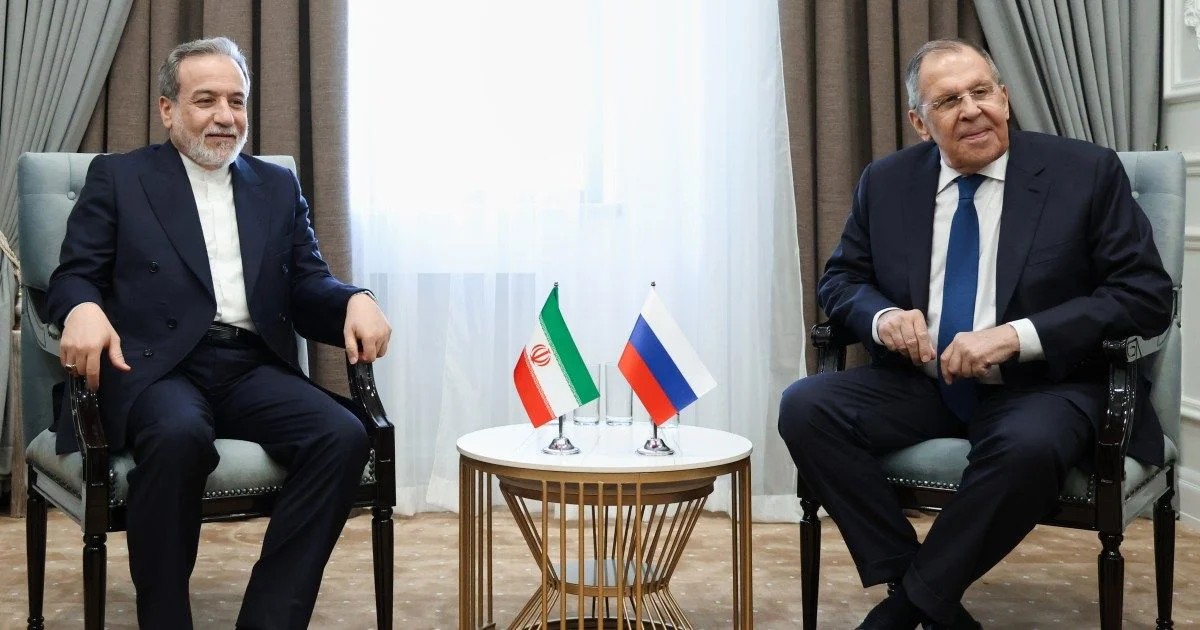
Caspian Tensions: Iran Warns Ukraine After Vessel Strike as Bitcoin Reclaims $65k
تنش در خزر و جهش بیتکوین: هشدار ایران به اوکراین در پی حمله به کشتی تجاری
Iran's Foreign Ministry has issued a stern warning to Kyiv following a deadly strike on an Iranian vessel in the Caspian Sea, marking a dangerous expansion of the conflict. Meanwhile, global markets are showing signs of relief as Bitcoin climbs back above $65,000 amid a temporary pause in direct US-Iran hostilities.
At time of publishing
USD
186,500
Toman
Gold 18K
18.16M
Toman / gram
Bitcoin
$65,421
US Dollar
Tether
188,100
Toman
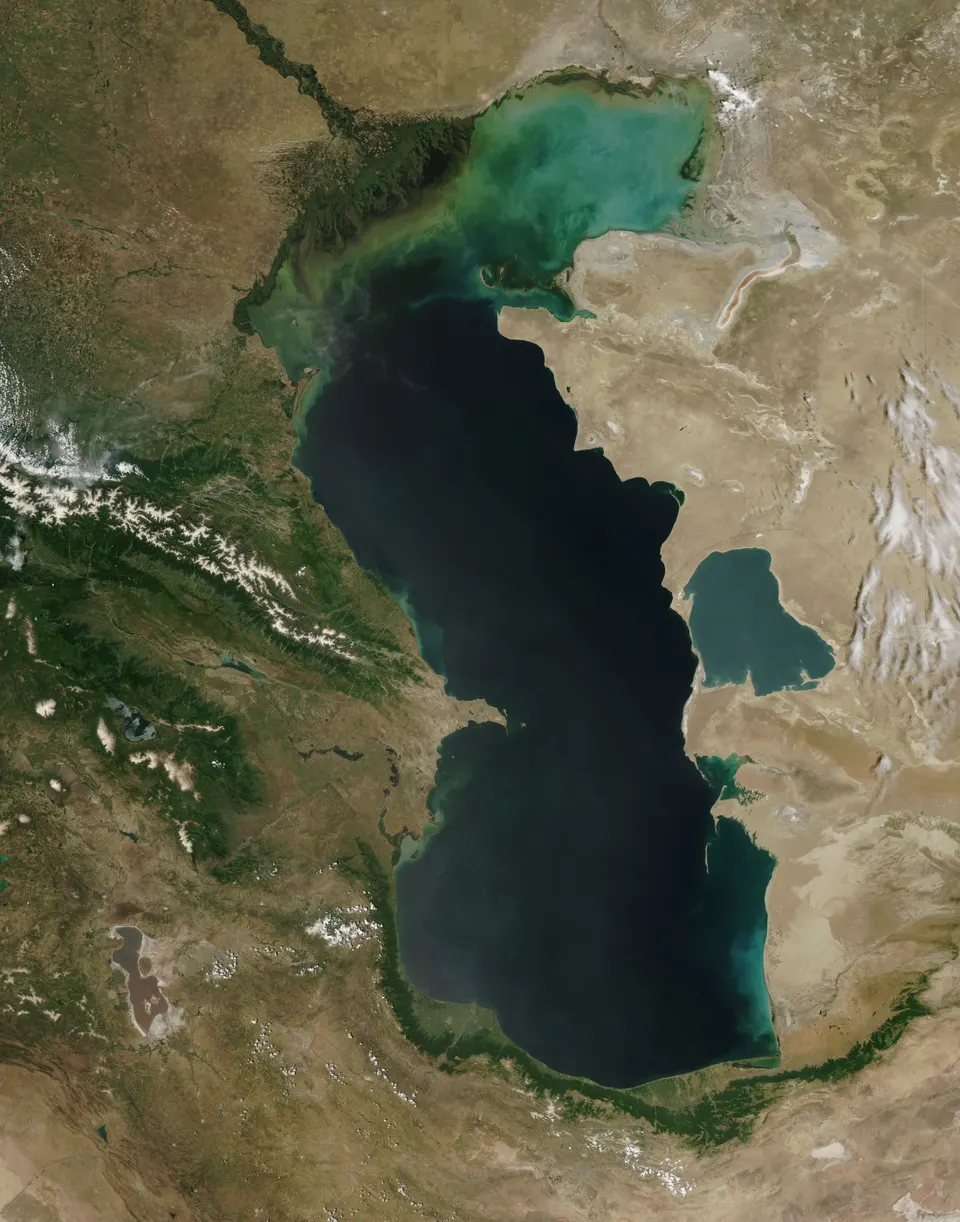
Caspian Sea Escalation: Iran Warns of Retaliation Against Ukraine
In a significant and dangerous shift in the geographical scope of regional tensions, Iranian Foreign Minister Abbas Araghchi has warned Ukraine that a recent strike on an Iranian vessel in the Caspian Sea "cannot go unanswered." This development marks a rare instance of hostilities reaching the Caspian, a body of water traditionally considered a secure zone for Iranian and Russian maritime logistics. The strike, which Iranian officials attribute to Ukrainian forces, has raised immediate concerns about the safety of trade routes that have become vital for Tehran’s economic resilience under international sanctions. For the average reader in Iran, this escalation is more than just a military headline; it directly impacts the risk premium of the Iranian Toman. While the Caspian has long been seen as a "back door" for trade with Russia and Central Asia, the realization that this route is now within the reach of modern drone or missile technology creates a new layer of economic uncertainty. If these shipping lanes become contested, the cost of imports could rise significantly, further fueling the inflationary pressures that have already pushed the price of Gold 18k/gram up by 0.8% to 18,156,424 Toman in the last 24 hours.
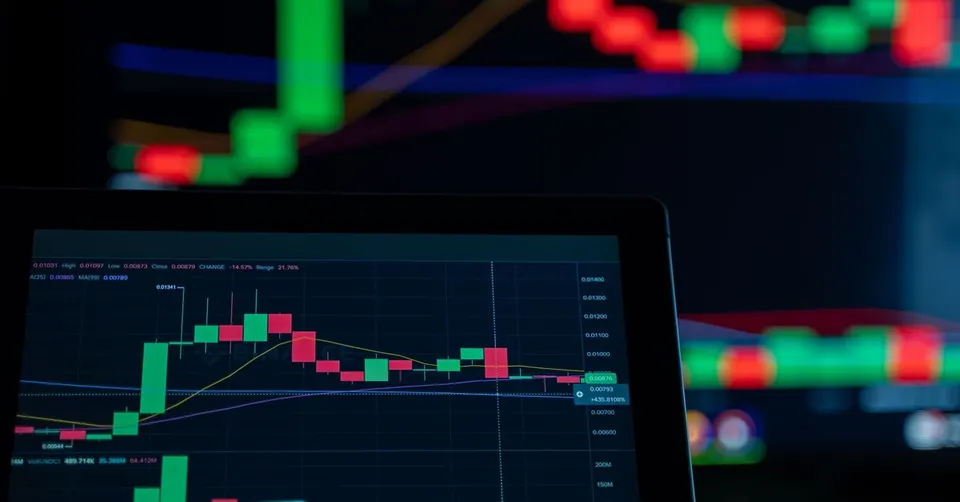
Bitcoin Reclaims $65,000 Amid Fragile Geopolitical 'Pause'
Bitcoin has surged back above the $65,000 threshold, currently trading at $65,421, as global investors react to a perceived de-escalation between Washington and Tehran. Following reports that the United States has paused its two-week bombing campaign and Iran has subsequently suspended its retaliatory strikes, risk appetite has returned to the digital asset markets. This "diplomatic breathing room" has allowed Bitcoin to lead a broader market recovery, as traders pivot away from safe-haven assets toward high-beta growth opportunities. In the local market, the USD sell rate responded with a slight dip, moving from 187,000 to 186,500 Toman (-0.3%). However, this rally remains on a knife-edge. While the immediate threat of a full-scale regional war has receded, the underlying drivers of the conflict remain unresolved. The market is currently pricing in a "best-case scenario" where the current pause leads to renewed negotiations, but as seen in previous cycles, any single spark—such as the aforementioned Caspian Sea incident—could reverse these gains instantly. For Iranian crypto holders, the dual impact of a rising BTC price and a slightly softening USD/IRR creates a complex environment for profit-taking, especially as Tether (USDT) continues to trade at a premium near 188,100 Toman.
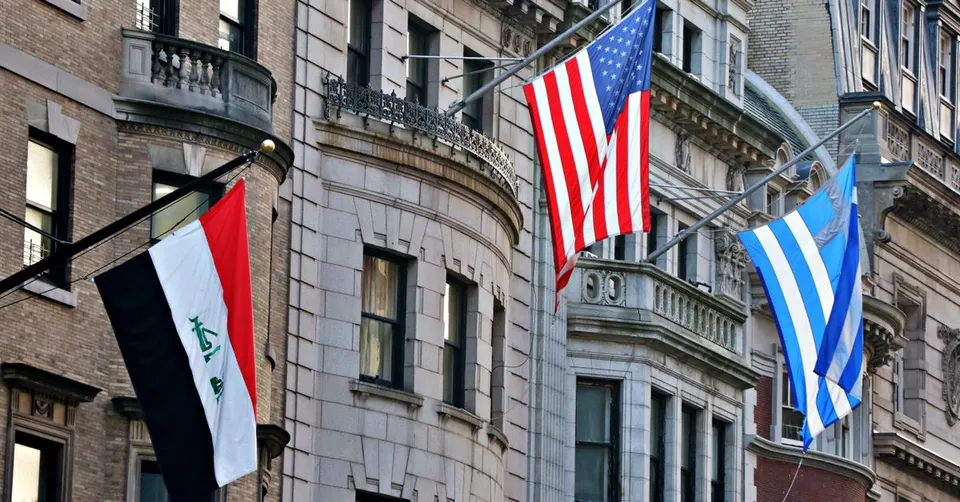
The 'Third Betrayal': Tehran Declares Diplomatic Foundations Destroyed
Despite the temporary halt in kinetic strikes, the war of words between Tehran and Washington has reached a new fever pitch. Iranian state media, via IRNA, reported that the United States has "destroyed the foundation" for any future dialogue by violating the 14-point Islamabad Memorandum of Understanding. This marks what Tehran calls the "third betrayal" of diplomacy in a single year, suggesting that the current pause in hostilities is merely a tactical realignment rather than a move toward a lasting peace deal. The Supreme Leader has further complicated matters by tying any potential de-escalation to an absolute termination of Israeli operations in Lebanon. This breakdown in diplomatic trust is precisely why gold and coin prices in Iran are not following the downward trend of the dollar. While the USD/IRR fell 0.3%, the Emami coin actually rose 0.8% to 183,000,000 Toman. This divergence indicates that local investors do not believe the current "peace" is sustainable. They are choosing to hedge against long-term instability by holding physical gold, even as the currency sees a momentary relief rally. The narrative of "betrayal" from the West is being used to prepare the public for a prolonged period of economic isolation, reinforcing the need for hard assets over paper currency.
Frequently Asked Questions
Why is the Caspian Sea strike significant for the Iranian economy?
Why did Bitcoin rise while gold prices in Tehran also increased?
What is the 'Islamabad Memorandum of Understanding' mentioned by Iran?
How Sanctions Drive Iranians Toward Bitcoin
Economic sanctions have been a defining feature of Iran’s modern economy. Since the early 2000s, the United States and the European Union have imposed a series of financial, oil‑related, and technology bans that crippled Iran’s ability to earn hard‑currency revenues and to access the global banking system. The result is a chronic shortage of U.S. dollars, which pushes the official USD/IRR exchange rate far above the market rate and fuels hyper‑inflation of the rial. In July 2026 the rial was trading at roughly 650,000 IRR per USD on the black market, a level that makes even basic imports prohibitively expensive.
When a national currency loses its purchasing power, citizens look for alternative stores of value. Historically, Iranians turned to gold; Tehran’s gold price routinely outpaces international benchmarks, reflecting both inflation expectations and the difficulty of moving precious metals across borders. In recent years, however, Bitcoin has emerged as a digital complement—or even substitute—to gold. The cryptocurrency’s price surge to $65,000 in July 2026 coincided with a wave of domestic exchanges and peer‑to‑peer platforms that allow Iranians to buy, hold, and trade Bitcoin without needing a traditional bank account.
The appeal of Bitcoin goes beyond price appreciation. Because the blockchain is borderless and pseudonymous, it sidesteps many of the restrictions that banks face under sanctions. Users can receive payments from abroad, convert them into Bitcoin, and then spend or save the digital tokens locally. This has created a parallel economy where Bitcoin functions as a de‑facto hard currency, especially for tech‑savvy youth and merchants in the Caspian region who are accustomed to dealing with cross‑border trade.
Nevertheless, the reliance on cryptocurrency is not without risk. Iranian regulators have periodically cracked down on unlicensed exchanges, and the volatility of Bitcoin can erode savings just as quickly as it can grow them. Moreover, sanctions regimes are adapting; new measures target crypto‑related services, forcing users to constantly navigate legal gray zones. Understanding this dynamic illustrates how macro‑political pressure can reshape financial behavior, turning a global digital asset into a lifeline for a sanctioned economy.
Topics
Related Articles