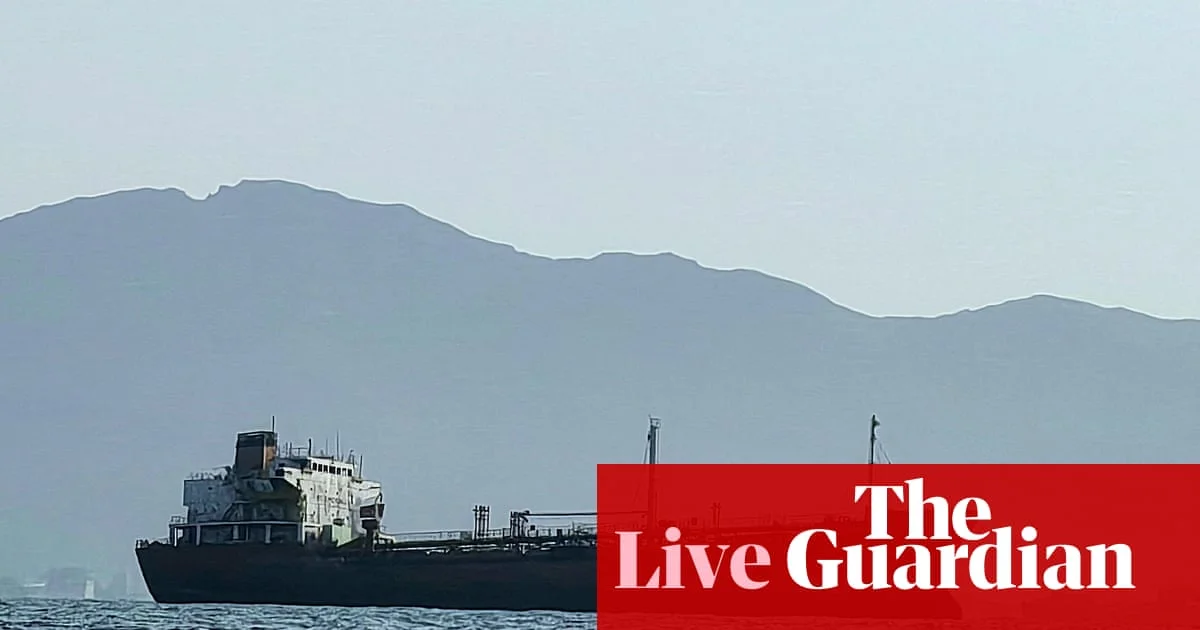
Oil Slumps as US Pauses Iran Strikes; Tehran Vows Response Amid $183M Coin Surge
ریزش قیمت نفت در پی توقف حملات آمریکا؛ سکه امامی ۱۸۳ میلیون تومانی و خطونشان بهارستان
A temporary de-escalation between Washington and Tehran has sent oil prices lower, providing a brief window of stability for the Toman. Meanwhile, gold prices continue their ascent as global demand pushes the precious metal to new heights.
At time of publishing
USD
186,500
Toman
Gold 18K
18.13M
Toman / gram
Bitcoin
$65,365
US Dollar
Tether
187,555
Toman
The Diplomatic Pause: Oil Markets Breathe as Strikes Halt
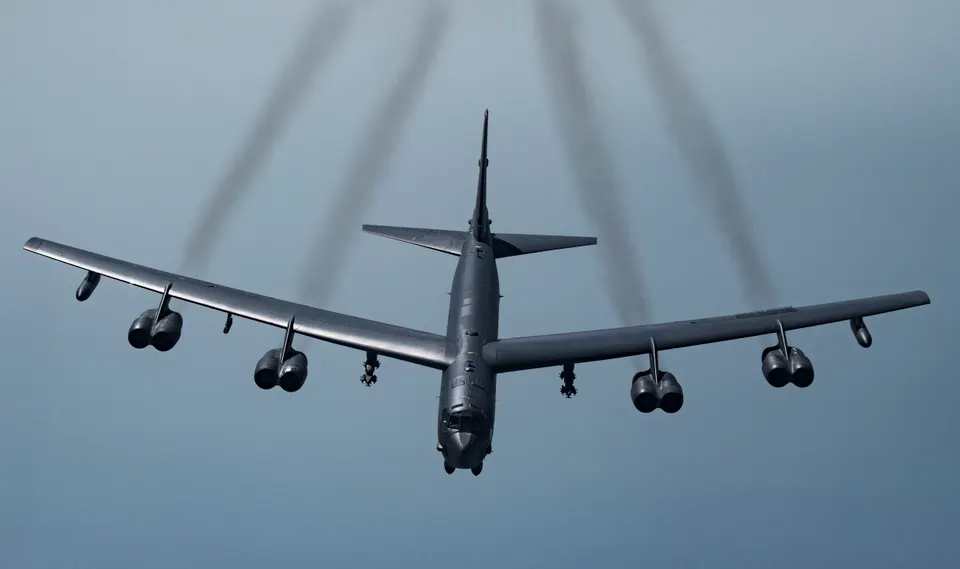
In a significant shift of pace for the Middle East, the United States has paused its strikes on Iranian targets for a third consecutive night. Reports suggest that top military officials advised Donald Trump to halt the bombing campaign, warning that the operation had reached its limit of effectiveness and was beginning to deplete essential munition stocks. This tactical pause is being interpreted by global markets as a window for diplomatic negotiations, aimed at preventing the current friction from spiraling into an all-out regional war. The immediate impact was felt in the energy sector, where Brent crude and WTI both saw notable declines as the 'war premium' began to evaporate from pricing models.
For the Iranian domestic market, this geopolitical cooling has translated into a slight strengthening of the national currency. The USD/IRR exchange rate moved from 187,000 to 186,500, representing a 0.3% decrease in the dollar's value against the Toman. While this move is relatively small, it reflects a momentary easing of the panic-buying that has characterized the last few weeks. Traders remain cautious, however, as the fundamental drivers of inflation and sanctions remain unchanged. The market is currently in a 'wait-and-see' mode, watching whether this pause is a genuine step toward de-escalation or merely a regrouping phase for further military action.
Gold’s Relentless Surge Despite Currency Stability
While the US Dollar saw a minor retreat, the gold market in Tehran tells a different story of persistent demand. Gold 18k per gram rose from 18,006,371 to 18,133,339 Toman, a 0.7% increase within 24 hours. Even more striking is the performance of the Emami coin, which climbed 0.8% to reach a staggering 183,000,000 Toman. This divergence suggests that Iranian investors are no longer just hedging against local currency devaluation, but are also reacting to the global surge in gold prices, which currently sits at $4,104 per ounce. The metal remains the ultimate safe haven for those who distrust the long-term stability of the current diplomatic 'pause'.
This trend is mirrored in the performance of major global corporations like AstraZeneca, which reported profit forecasts that beat market expectations despite the broader slump in the energy sector. As oil-dependent stocks like BP and Shell fell by 3.8% and 2% respectively, the pharmaceutical and retail sectors have shown resilience. This global shift toward defensive assets and high-performing value stocks is trickling down to the Iranian retail investor's psychology, reinforcing the idea that hard assets and 'recession-proof' commodities are the only reliable stores of value in an era of extreme geopolitical volatility.

Tehran’s Defiance and the Legal Battleground
Despite the pause in US strikes, the rhetoric from Tehran remains sharply combative. The chairperson of the National Security and Foreign Policy Commission of the Iranian Parliament stated that any attack on Iran carries a heavy cost, asserting that the country will not leave any hostile measures unanswered. This official stance, reported by state-run media, serves as a reminder that the underlying conflict is far from resolved. The government continues to project an image of military readiness, even as diplomatic channels are reportedly being tested in the background to prevent further economic collapse.
On the international legal front, Deputy Foreign Minister Kazem Gharibabadi has intensified the war of words by slamming the United States for labeling the International Criminal Court (ICC) as corrupt. This legal maneuvering is part of a broader strategy to isolate Washington diplomatically while the US faces internal pressure regarding its military expenditures abroad. For the average Iranian citizen, these high-level disputes often feel disconnected from the daily struggle of rising prices, yet they dictate the sanctions environment that ultimately determines the cost of living. The disconnect between official defiance and the economic reality of a 183-million-Toman gold coin remains a central tension in Iranian society.
Europe Aflame: Climate Risks Meet Economic Turmoil
Beyond the Middle East, a different kind of crisis is unfolding in Europe that could have long-term implications for global supply chains and energy demand. Record-breaking heatwaves and an unusually dry spring have turned southern France and Spain into tinderboxes, with wildfires proving nearly impossible to contain. These 'fire clouds' and explosive blazes are not just environmental disasters; they are economic disruptors that threaten tourism, agriculture, and local infrastructure. As Europe focuses its resources on domestic climate emergencies, its capacity to project influence or provide economic stability in other regions may be further diminished.

This environmental volatility adds another layer of complexity to the global markets. While the immediate focus for Iranian traders is the USD rate and the price of oil, the increasing frequency of climate-driven disasters in Europe and China—where crude imports have recently surged to 7.8 million barrels per day—suggests that the global economy is becoming more fragile. For the Arzbin reader, these events underscore the importance of a diversified portfolio. Whether it is the 85% completion of a Bitcoin bull flag at $65,414 or the resilience of gold, the message is clear: in 2026, volatility is the only constant.
Frequently Asked Questions
Why is the price of gold rising in Iran while the dollar is falling?
What caused the recent drop in global oil prices?
Is the current de-escalation between the US and Iran permanent?
Understanding the Geopolitical Risk Premium in Oil Prices
The recent headlines concerning the pause in US strikes on Iran and Tehran's response, alongside a slump in oil prices, highlight a crucial concept in commodity markets: the geopolitical risk premium. This refers to the additional cost built into the price of a commodity, particularly oil, due to the perceived risk of supply disruptions stemming from political instability, conflicts, or diplomatic tensions in key producing regions. When geopolitical tensions escalate, market participants anticipate potential threats to production, transportation, or trade routes, leading them to bid up prices as a precautionary measure.
This premium operates as a barometer of global stability. For instance, in times of heightened tension, such as threats to shipping lanes in the Persian Gulf or potential sanctions against major oil exporters, the market prices in the possibility of reduced supply. This fear alone can drive up oil prices, even if no actual supply disruption has occurred. Conversely, when tensions de-escalate, or a potential conflict is averted, the perceived risk diminishes. Traders then unwind their speculative positions, leading to a "slump" in prices as the geopolitical risk premium evaporates or significantly shrinks, as seen in the recent news.
The Middle East, home to a significant portion of the world's proven oil reserves and critical choke points like the Strait of Hormuz, is particularly susceptible to the influence of geopolitical risk. Iran, as a major oil producer and a key player in the region, has a substantial impact on global oil market dynamics. Any shift in its political or military posture, or in its relations with major global powers, can send ripples through the oil market, directly affecting prices through the mechanism of this risk premium. Understanding this concept is vital for anyone tracking global energy markets and international relations.
Topics
Related Articles