Tehran Vows 'Unanswered' Cost for Ukraine Strike as Global Gas Prices Plunge 8% on De-escalation Hopes
هشدار تند تهران به اوکراین در پی تنشهای دریای خزر؛ ریزش ۸ درصدی قیمت گاز در بازارهای جهانی
Iran's Foreign Ministry has warned of a crushing response to Ukraine's 'dangerous adventurism' in the Caspian Sea, while global energy markets saw natural gas prices dive 8.6% as US-Iran tensions showed signs of a temporary thaw.
At time of publishing
USD
187,800
Toman
Gold 18K
18.30M
Toman / gram
Bitcoin
$65,171
US Dollar
Tether
188,152
Toman
Tehran Warns of 'Unanswered' Consequences Following Caspian Strike
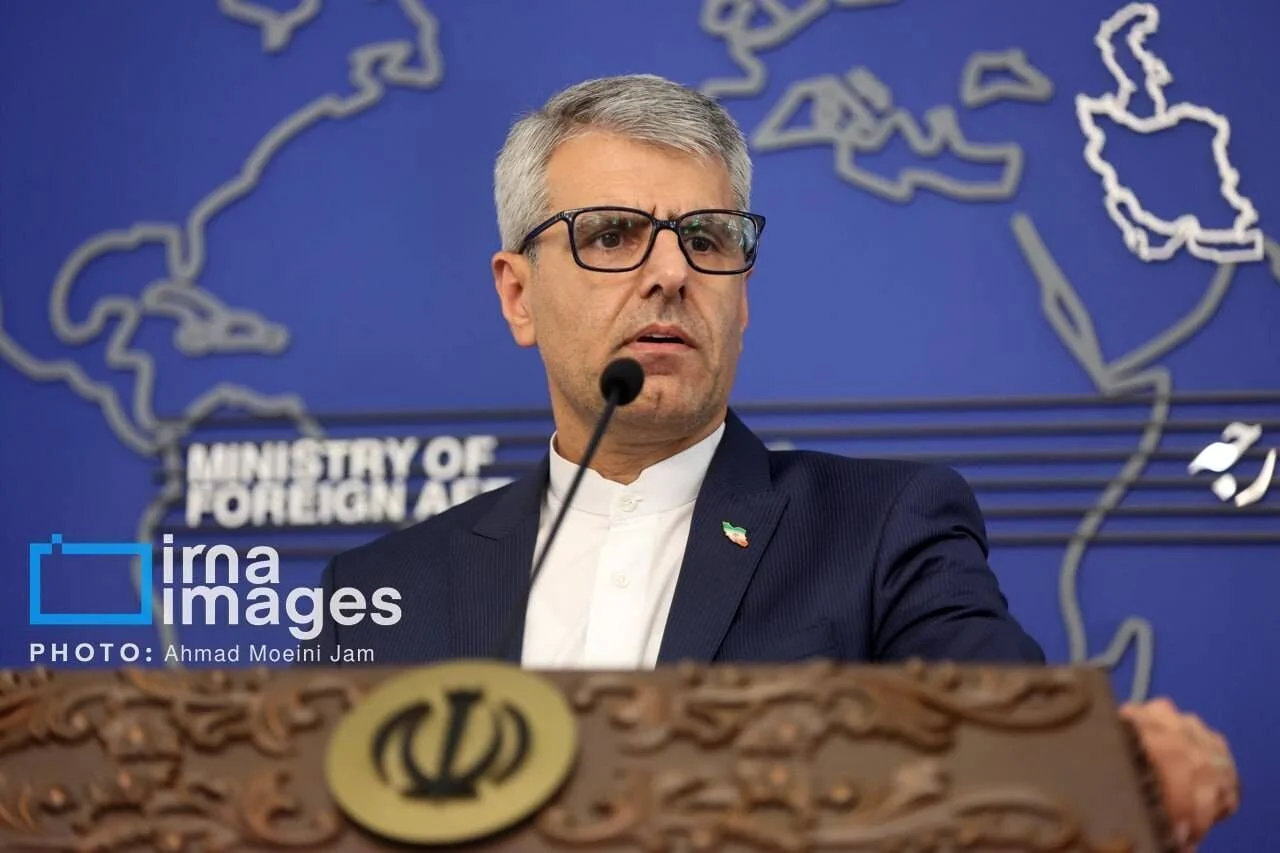
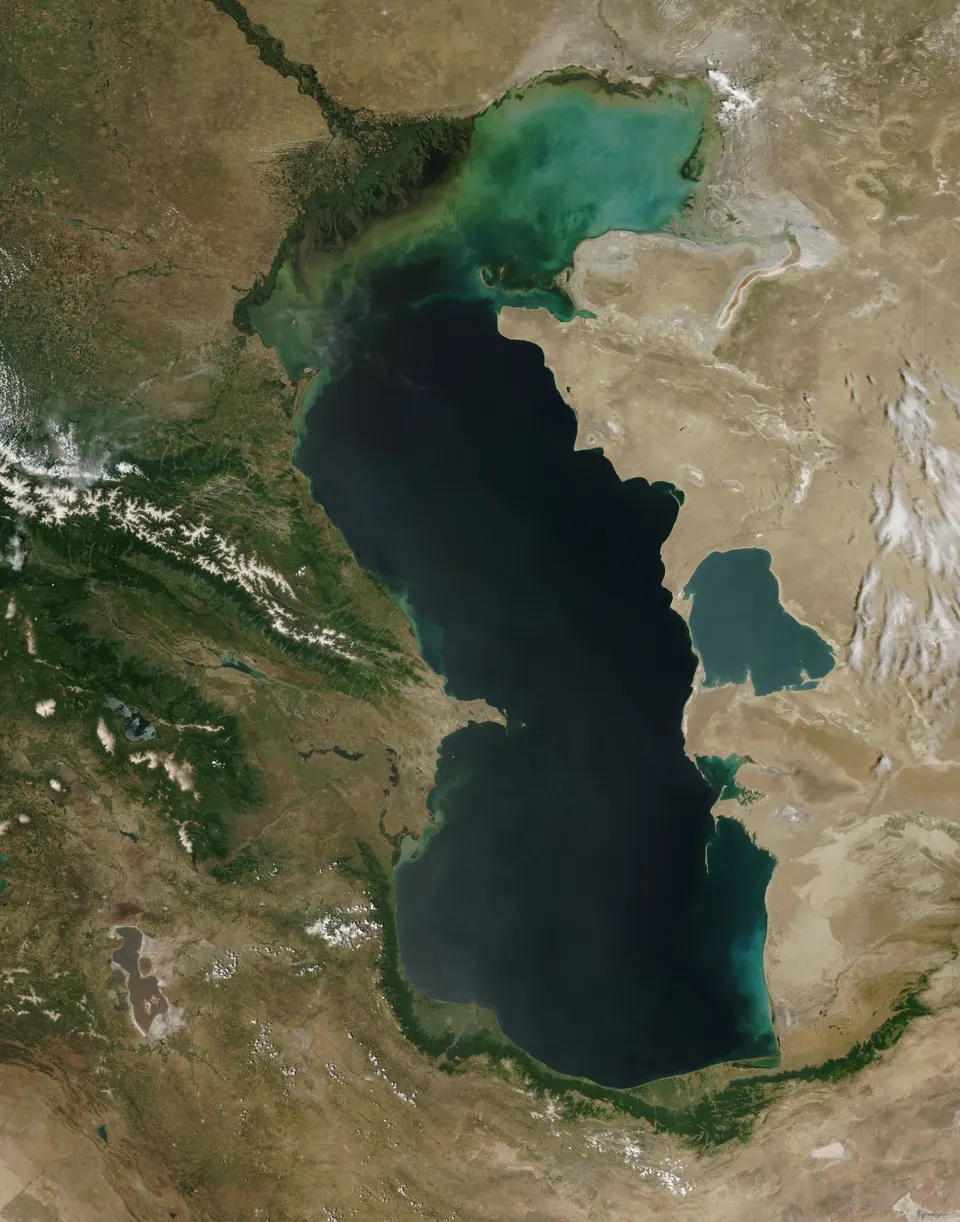
The Iranian Ministry of Foreign Affairs has issued a stern warning to Kyiv, labeling the recent attack on an Iranian vessel in the Caspian Sea as a violation of the UN Charter and an act of "dangerous adventurism." During a press briefing at 12:00 Tehran time, the spokesperson for the ministry stated that the illegal move would not go unanswered. This rhetoric marks a significant escalation in the diplomatic row between Tehran and Kyiv, as Iranian officials claim the vessel was engaged in routine commercial activity when it was targeted.
Adding weight to the diplomatic warning, the chair of the National Security and Foreign Policy Commission of the Iranian Parliament emphasized that any hostile action against Iranian assets always carries a significant cost. The official noted that the Iranian military and security apparatus are prepared to respond to what they perceive as external provocations. This stance suggests that the Caspian Sea, once a relatively stable corridor for trade, is increasingly becoming a theater for the broader geopolitical conflicts involving Iran and its international adversaries.
For the average Iranian citizen and market participant, these developments are a double-edged sword. While the government projects a posture of strength and deterrence, the heightened risk of regional instability often translates directly into market volatility. The threat of a "crushing blow" mentioned by Army officials keeps the risk premium high on the Iranian Toman and local assets, as investors weigh the possibility of a direct military confrontation that could disrupt vital shipping lanes or invite further international sanctions.
Global Energy Markets Breathe as US-Iran Tensions Show Signs of Thaw
In a dramatic shift for global energy commodities, European natural gas prices plunged by 8.6% at the Amsterdam opening this Monday. This sharp decline follows reports that the United States has paused its strikes on Iranian-linked targets over the weekend, a move matched by signals from Tehran indicating a desire to halt retaliatory attacks. Brent Crude also felt the pressure of de-escalation hopes, dropping to the $90 per barrel mark in Asian trading. This relief comes after two weeks of intense hostilities that had pushed energy benchmarks to multi-month highs.
The market reaction underscores how sensitive global inflation and energy security are to the ongoing friction between Washington and Tehran. Traders who had priced in a significant supply disruption in the Middle East are now unwinding those positions. However, analysts warn that this "pause" remains fragile. The underlying issues—ranging from nuclear enrichment to regional proxy influence—remain unresolved, meaning that a single incident could send prices skyrocketing back toward last week's peaks. For now, the 8.6% drop in gas prices provides a much-needed reprieve for European industries facing high operating costs.
Japan is also making significant moves to secure its long-term energy future amidst this volatility. The Japanese government is reportedly approaching foreign banks, including major U.S. lenders like JP Morgan, to back a massive $33 billion investment in U.S. natural gas production. This initiative, part of a trade deal established during the Trump administration, aims to diversify Tokyo’s energy sources away from unstable regions. By securing foreign-currency funding through international partnerships, Japan hopes to insulate its economy from the very price shocks currently being felt in the wake of Middle Eastern tensions.
Gold Ounce Hits $4,091 as Tehran Markets Face New Volatility
Despite the cooling of global energy prices, the domestic market in Iran remains on edge. Gold 18k per gram rose significantly from 18,006,371 to 18,299,552 Toman, representing a 1.6% increase in just 24 hours. This surge is largely driven by the global gold ounce price, which has climbed to a staggering $4,091.20. Local investors are increasingly turning to gold as a hedge against both geopolitical uncertainty and the gradual depreciation of the Toman, which saw the USD sell rate move from 187,000 to 187,800 (+0.4%).
The Emami coin also mirrored this upward trend, rising from 181,500,000 to 183,000,000 Toman (+0.8%). The disconnect between falling global oil prices and rising local gold prices highlights a unique psychological state in the Iranian market: while the world sees a temporary de-escalation, local buyers remain wary of the long-term diplomatic outlook. The demand for physical gold coins suggests that the public is prioritizing liquidity and value preservation over more traditional investments, fearing that the current pause in regional hostilities may only be the eye of the storm.
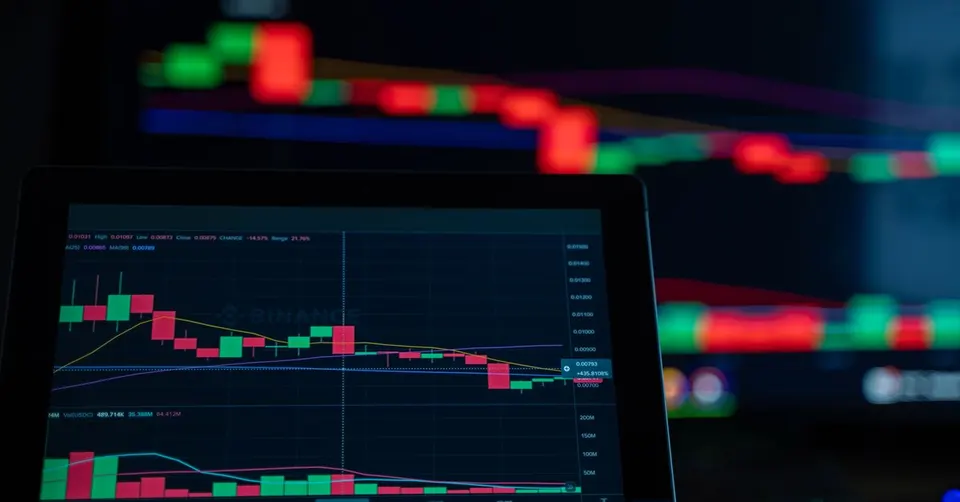
In the cryptocurrency sector, Bitcoin remains relatively stable, trading near the $65,171 mark. While some analysts view the $65,000 level as a "canary in the coal mine" for global liquidity, it has yet to see the same explosive growth as gold during this specific hour of trading. For Iranian traders, the USDT rate at 188,152 Toman continues to be the primary gateway for capital flight and international trade, closely tracking the movements of the informal dollar market. As the day progresses, all eyes remain on the Caspian and the Persian Gulf, where the next move—diplomatic or military—will dictate the direction of the next market cycle.
Frequently Asked Questions
Why did global natural gas prices drop so sharply today?
What is the significance of the latest tension in the Caspian Sea?
Why is gold rising in Iran while energy prices are falling?
What is Japan's role in the current energy market shift?
Geopolitical Risk: How Global Tensions Sway Markets
Geopolitical risk refers to the potential for political events, conflicts, or policy shifts between nations to disrupt global stability and economic activity. These risks can range from military conflicts and diplomatic spats to trade wars and shifts in international alliances. Their significance lies in their ability to create uncertainty, influence investor sentiment, and directly impact the supply and demand dynamics of various markets, from commodities to currencies. Understanding this concept is crucial for comprehending why seemingly distant political events can have immediate and tangible effects on your daily economic life.
One of the most immediate and visible impacts of geopolitical risk is on commodity markets, particularly energy. When tensions escalate in key energy-producing or transit regions—like those implied by concerns over a "Caspian Sea strike" or "Iran Ukraine tensions"—fears of supply disruptions can send prices soaring. Conversely, as seen with "Global Gas Prices Plung[ing] 8% on De-escalation Hopes," any perceived reduction in risk or progress towards stability can swiftly alleviate these supply concerns, leading to sharp price drops. This volatility reflects the market's constant re-evaluation of future supply security in response to geopolitical developments.
Beyond energy, geopolitical risk profoundly influences "safe-haven assets" like gold. Gold has historically been considered a store of value that retains its worth during times of economic and political uncertainty. When global tensions rise, investors often flock to gold, driving its "Global gold ounce price" upwards, seeking refuge from potential market turmoil and currency devaluation. Conversely, when "US Iran de-escalation" hopes emerge, and the overall risk perception diminishes, investors may shift capital back into riskier, higher-yielding assets, potentially causing gold prices to soften.
The ripple effects of geopolitical risk extend further, impacting currency exchange rates, foreign investment, and even domestic inflation. For instance, the "USD IRR exchange rate" can be highly sensitive to geopolitical developments involving Iran, as such events influence investor confidence, trade flows, and the broader economic outlook. Similarly, decisions regarding "Japan energy investment" are heavily weighed against the backdrop of geopolitical stability and the long-term reliability of energy supplies. In essence, geopolitical risk acts as a powerful, overarching force that can quickly reshape economic landscapes worldwide.
Topics
Related Articles