
Asia's Economy Strained by Regional Conflict as Tech Stocks Plummet and Gold Hits New Highs
فشار اقتصادی بر آسیا در پی تنشهای منطقهای؛ سقوط سهام فناوری و رکوردشکنی طلا در بازار تهران
Southeast Asian tourism and food prices are reeling from the secondary effects of the Iran conflict, while global tech markets face a massive sell-off. In Tehran, gold prices have climbed 1.0% as investors seek safety amid diplomatic uncertainty and rising shipping costs.
At time of publishing
USD
188,700
Toman
Gold 18K
18.40M
Toman / gram
Bitcoin
$63,448
US Dollar
Tether
190,152
Toman
The Hidden Cost of Conflict: SE Asian Tourism and Street Food Crisis
While the headlines often focus on military maneuvers, the economic reality of the ongoing tensions involving Iran is being felt thousands of miles away in the resort towns of Southeast Asia. Travelers from Europe, traditionally a mainstay for the economies of Cambodia, Thailand, and Indonesia, are staying home in droves. The primary culprit is a combination of soaring airfares and the disruption of major Middle Eastern travel hubs, which serve as the vital connective tissue for long-haul flights between the West and Asia. As airlines reroute to avoid conflict zones, the added fuel costs and flight times are making once-affordable tropical vacations a luxury few can justify.
This isn't just a problem for luxury hotels; it is trickling down to the very streets of Asian cities. Reports indicate that staple street food dishes are becoming increasingly expensive as supply chains falter and energy costs remain volatile. For the average resident in Bangkok or Jakarta, the geopolitical instability is no longer a distant abstract—it is reflected in the price of their daily meal. The ripple effect shows how deeply integrated the global economy remains, where a regional conflict in the Middle East can effectively shut down a souvenir shop in Siem Reap or double the price of a bowl of noodles in Manila.

AI Jitters and the Great Chip Sell-Off
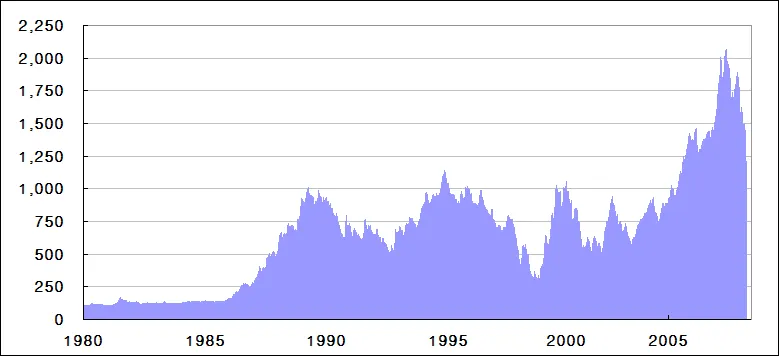
Global technology markets are facing a moment of reckoning this morning. Trading on South Korea’s Kospi index was temporarily paused after a staggering 8% slump, driven largely by a massive sell-off in semiconductor stocks. Investors are increasingly rattled by what some analysts are calling an unsustainable spending binge on Artificial Intelligence. The jitters were compounded by reports that Nvidia might backstop a massive data-center lease for OpenAI, a move that harkens back to the aggressive and often reckless financial arrangements of the dot-com bubble era. When the hardware providers start financing their own customers' infrastructure, the market begins to smell desperation.
The implications for the broader market are significant and immediate. Bitcoin has slipped toward the $63,000 mark, down roughly 2% following the U.S. close, as uncertainty regarding the Federal Reserve's next moves adds to the bearish sentiment. When the world's most valuable chipmakers lose ground, it signals a fundamental shift in risk appetite. For Iranian investors watching global trends, this suggests a move toward safe-haven assets, though the definition of "safe" is being challenged as even traditional tech giants look vulnerable to a correction. This tech sell-off is not just a local event; it is a global repricing of the AI dream.
Energy Pressures and Saudi Arabia’s Strategic Shift
Compounding the regional economic strain is the news that Saudi Arabia is weighing a significant increase in crude oil prices for the Asian market. Due to the ongoing Houthi maritime blockade in the Red Sea, shipping costs have skyrocketed, forcing Aramco to redirect flows through more expensive routes. Reports suggest a potential hike of up to $5 per barrel. This is a direct response to the logistical nightmare of avoiding the Bab al-Mandab strait, necessitating the use of the Suez-Mediterranean pipeline. For Asian economies already struggling with inflation, this energy surcharge could be the final blow to their manufacturing and transport sectors.
In the local Tehran market, the price of gold continues its upward trajectory despite a relative lull in direct military escalations over the last 48 hours. Gold 18k per gram rose from 18,214,137 to 18,398,818 Toman, a 1.0% increase that reflects persistent hedging against inflation. Interestingly, the USD/IRR pair showed a slight softening, moving from 188,800 to 188,700 Toman (-0.1%). This stability in the currency, albeit at a very high plateau, comes as market participants weigh President Trump’s recent comments about pausing strikes to "give diplomacy another chance." However, with oil prices retreating slightly to $86.80 for Brent, the market remains on a knife-edge, waiting for the next geopolitical shoe to drop.

Global Snapshots: Wildfires and Leadership Shifts
Beyond the Middle East, environmental and political shifts are demanding attention. In France, a massive wildfire near Bordeaux has already consumed 42,000 hectares of forest. While authorities say the situation is currently stable after a calm night, rising temperatures and southeast winds threaten to reignite the blaze today. This environmental crisis adds to the general sense of global volatility, impacting everything from local tourism in Europe to broader insurance and climate policy discussions. It serves as a reminder that while man-made conflicts dominate the news, the planet's own volatility remains a constant threat to economic stability.
Meanwhile, in Australia, a significant political transition is underway as Ben Carroll prepares to take over as the new Victorian premier following Jacinta Allan's resignation. Carroll has promised to "do things differently," a statement that comes at a time of labor unrest and a state debt approaching $200 billion. For global observers, these domestic shifts in stable economies like Australia serve as a reminder that the post-pandemic era is defined by fiscal strain and the need for new leadership paradigms. Whether in the halls of power in Melbourne or the burning forests of Gironde, the world is in a state of profound transition.
Frequently Asked Questions
Why is the conflict in the Middle East affecting Southeast Asian tourism?
What caused the 8% drop in the South Korean Kospi index?
Why is Saudi Arabia considering raising oil prices for Asia?
Understanding Geopolitical Risk and Its Impact on Global Markets
Geopolitical risk refers to the potential for international relations, conflicts, political instability, and major events to disrupt the normal course of economic activity and financial markets. It encompasses a wide range of factors, from regional wars and diplomatic crises to trade disputes and changes in government policy that cross national borders. When such risks escalate, they introduce significant uncertainty, causing investors and businesses to reassess their strategies, often leading to a flight from perceived riskier assets towards safer alternatives.
The manifestation of geopolitical risk in financial markets is multifaceted. For instance, the threat or reality of regional conflict can disrupt critical supply chains, particularly for commodities like oil, leading to price spikes that fuel global inflation. Simultaneously, investor sentiment shifts dramatically; confidence in future growth prospects wanes, prompting a sell-off in growth-oriented sectors, such as technology stocks, which are often sensitive to economic stability and predictable global trade. This explains why a "tech stock sell-off" might coincide with rising geopolitical tensions.
Conversely, periods of heightened geopolitical uncertainty typically see a surge in demand for traditional safe-haven assets. Gold, for example, has historically served as a store of value during times of crisis, as its value is less tied to the performance of specific economies or corporate earnings. Therefore, when headlines report "Gold hits new highs" amidst "regional conflict," it's a clear indicator that investors are seeking refuge from the perceived dangers of the broader market, redirecting capital away from volatile equities and into more stable, tangible assets.
Ultimately, understanding geopolitical risk is crucial for comprehending global economic trends. It explains why events far from a company's headquarters can still severely impact its stock price, why a regional conflict can trigger a global tourism crisis, and why seemingly unrelated markets, from oil to gold to tech stocks, often move in concert when the geopolitical landscape shifts. It underscores the interconnectedness of our global economy and the pervasive influence of international stability on financial well-being.
Topics
Related Articles