
Caspian Sea Drone Strike on Iranian Vessel Triggers Kremlin Warning as Toman Hits 191,000
حمله پهپادی به کشتی ایرانی در دریای خزر و واکنش کرملین؛ صعود دلار به مرز ۱۹۱ هزار تومان
A drone attack on an Iranian commercial vessel in the Caspian Sea has forced a sharp response from Moscow and sent the Toman sliding 1.2% against the dollar. Meanwhile, Japan moves to bypass the Strait of Hormuz, signaled a major shift in global energy security strategy.
At time of publishing
USD
191,000
Toman
Gold 18K
18.45M
Toman / gram
Bitcoin
$63,407
US Dollar
Tether
190,904
Toman
Caspian Security Shattered: Drone Strike Hits Iranian Vessel
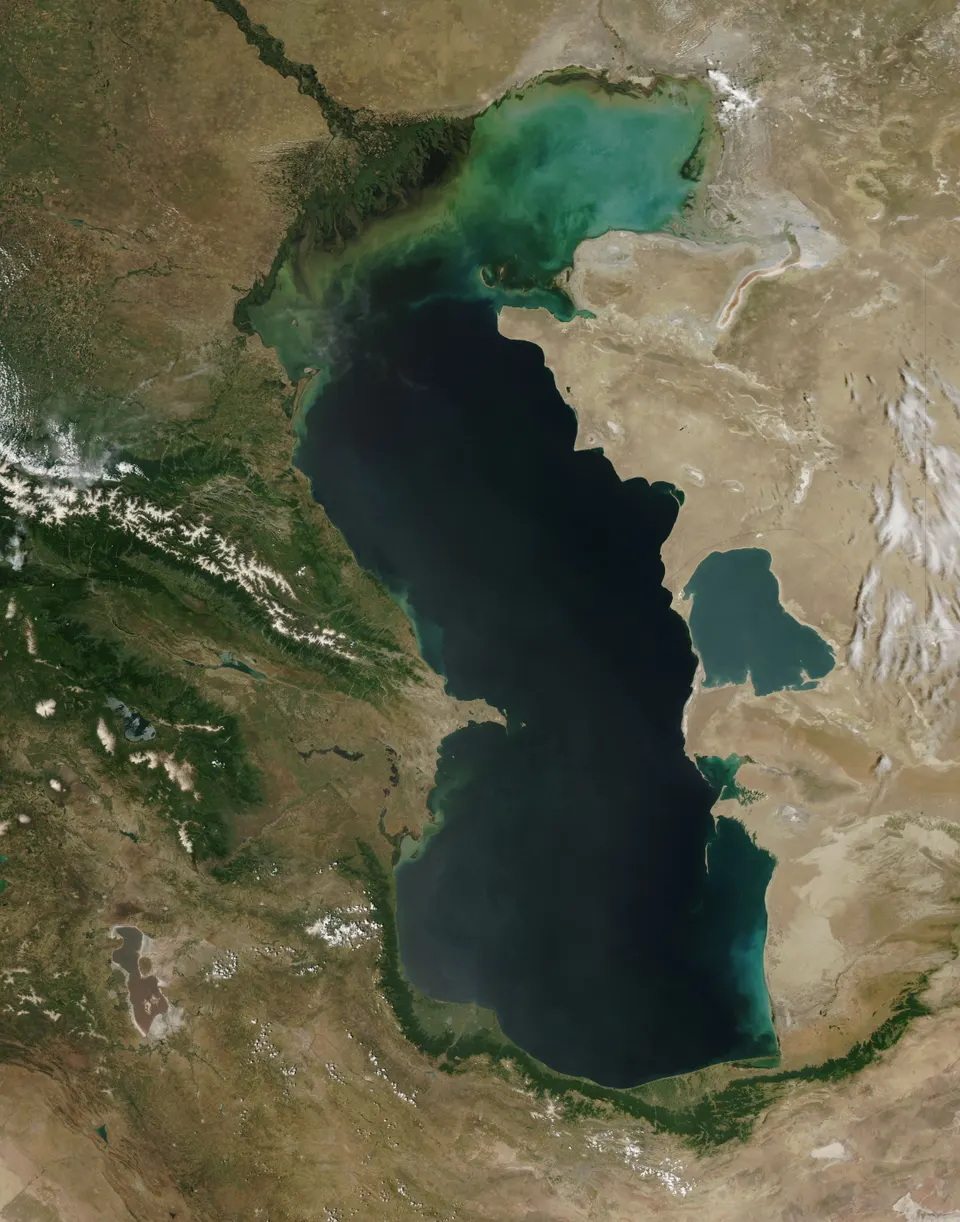
The geopolitical landscape of the Caspian Sea, long considered a relatively stable corridor for Iranian and Russian trade, has been fundamentally altered following a drone attack on an Iranian commercial vessel. Kremlin spokesperson Dmitry Peskov addressed the incident today, asserting that Iran possesses the necessary capabilities to defend its rights in the face of what has been identified as a Ukrainian drone strike. This development marks a significant geographical expansion of the ongoing conflict in Eastern Europe, bringing the reach of modern drone warfare directly into a zone that Tehran has historically viewed as a secure maritime sanctuary.
For the Iranian public and regional markets, this incident is more than a military footnote; it is a direct threat to the primary non-sanctioned trade route between Iran and Russia. The attack signals that the safety of the Caspian shipping lanes can no longer be taken for granted. As the Kremlin offers rhetorical support, the reality on the ground—or rather, on the water—suggests that Iranian commercial interests are now vulnerable to the same asymmetric tactics that have plagued the Black Sea. This vulnerability has immediate psychological impacts on the domestic market, contributing to the sudden 1.2% spike in the USD/Toman exchange rate as traders price in the increased risk of supply chain disruptions.
Japan’s Strategic Exit: Bypassing the Strait of Hormuz
In a move that could long-term diminish Iran's primary geopolitical leverage, Japan has announced plans to invest heavily in overseas oil pipelines to reduce its dependence on the Strait of Hormuz. According to documents from Japan’s economy ministry, the government will provide risk-capital funding to Japanese firms to participate in pipeline expansions in the Middle East, specifically targeting routes through Saudi Arabia and the United Arab Emirates. This strategic pivot is a direct response to the persistent instability in the Persian Gulf and the frequent threats of maritime blockades that have historically given Tehran a powerful hand in international energy negotiations.
What this means for the global economy is a gradual decoupling of Asian energy security from the physical control of the Hormuz choke point. If Japan, one of the world's largest energy consumers, successfully diversifies its transit routes, it sets a precedent for other Asian giants like India and South Korea to follow suit. For Iran, this represents a slow-motion erosion of its "oil weapon." As pipelines begin to offer a viable alternative to tanker traffic through the Gulf, the strategic cost of regional escalation for the international community decreases, potentially leaving Iran with fewer cards to play on the global stage.

High-Stakes Diplomacy: Trump and Zelensky to Meet in Washington
In the United States, the political atmosphere is charged as President Donald Trump prepares to meet with Ukrainian President Volodymyr Zelensky at the White House. This meeting, which coincides with the funeral of Senator Lindsey Graham, comes at a critical juncture for U.S. foreign policy. Observers are keenly watching for any signs of a "thaw" in the relationship between the two leaders, which could dictate the future of military aid and the eventual trajectory of the war in Ukraine. The outcome of these discussions will likely reverberate through global markets, which are currently in a "risk-off" mode, with Nasdaq futures under pressure and investors seeking safety in assets like gold.
For Iranian observers, the Trump-Zelensky dynamic is a leading indicator of future U.S. engagement in the Middle East. A potential shift in the Ukraine conflict could free up American diplomatic and military resources to focus more intensely on Tehran's regional activities and its nuclear program. While Bitcoin has managed to hold steady at $63,407 despite the broader market dip, the volatility in the Toman—now trading at 191,000 per dollar—reflects a deep-seated anxiety about how a potential shift in U.S. leadership will impact sanctions and regional security. This meeting is not just about Ukraine; it is a signal of the new global order being negotiated in real-time.
Domestic Markets React to Regional Heat
The Iranian market has responded to the morning's news with a clear flight to safety. The US Dollar rose from 188,800 to 191,000 (+1.2%) in just 24 hours, breaching a psychological barrier that has put importers on high alert. Gold has followed a similar trajectory, with 18k gold per gram moving from 18,214,137 to 18,449,605 (+1.3%). These movements are a direct reflection of the Caspian Sea incident and the general sense of military readiness being broadcast by the Iranian Armed Forces. Brigadier General Mojtaba Jafari, an advisor to the Army’s chief commander, claimed today that the armed forces stand with "authority" against the enemy, a statement that often precedes or accompanies periods of heightened market volatility.

Investors should note that while the Emami coin saw a more modest increase of 0.3% to 186,000,000 Toman, the broader trend is one of significant inflationary pressure. The combination of maritime insecurity in the Caspian and the strategic moves by Japan to bypass the Persian Gulf creates a pincer effect on the Iranian economy. On one side, current trade routes are being threatened; on the other, the long-term value of Iran's geographical position is being challenged. As long as regional tensions remain at this boil, the Toman is likely to face continued downward pressure, regardless of official rhetoric regarding the strength of the national defense.
Frequently Asked Questions
How does a drone attack in the Caspian Sea affect the Iranian Rial?
Why is Japan investing in pipelines to bypass the Strait of Hormuz?
What impact will the Trump-Zelensky meeting have on Iran?
Understanding Currency Depreciation in Sanctioned Economies
The news of the Iranian Toman hitting 191,000 against the US Dollar highlights a critical economic phenomenon: currency depreciation. This occurs when a currency loses value relative to other currencies, meaning it takes more of the local currency to buy the same amount of foreign currency. For instance, if the Toman depreciates, Iranians need more Tomans to purchase one US Dollar, making imported goods and services more expensive and reducing the purchasing power of their savings. This economic shift has profound implications for a nation's trade, inflation, and the daily lives of its citizens.
Several factors can drive currency depreciation. Generally, high inflation rates within a country, persistent trade deficits (where a country imports more than it exports), political instability, and capital flight (when investors move their money out of a country) can all weaken a currency. When a country's economy is perceived as risky or unstable, demand for its currency falls, and its value declines. The interplay of these forces creates a complex environment where a currency's strength is constantly being tested.
However, in economies like Iran, international sanctions play a particularly significant role in accelerating currency depreciation. Sanctions often restrict a country's ability to export key commodities (like oil), limiting its access to foreign currency. They also deter foreign investment and make it difficult for local businesses to engage in international trade, further reducing the inflow of foreign exchange. This creates a severe supply-demand imbalance for foreign currencies within the sanctioned economy, driving up their price relative to the local currency and leading to rapid depreciation.
The consequences of severe currency depreciation are far-reaching. Citizens face soaring prices for imported goods, which can trigger widespread inflation and erode their savings. Businesses struggle with higher costs for raw materials and components, potentially leading to reduced production and job losses. For the government, it becomes more challenging to manage debt denominated in foreign currencies and to conduct international transactions, exacerbating economic instability. Geopolitical events, such as the reported drone strike on an Iranian vessel, can further compound these economic pressures by increasing perceived risk and uncertainty, pushing the currency even lower.
Topics
Related Articles