Japan Quake & 'Diplomatic Charade' Analysis: Toman Hits 191,000 as Caspian Strike Escalates Regional Risk
زلزله مهیب ژاپن و «نمایش دیپلماتیک» ایران؛ صعود دلار به ۱۹۱ هزار تومان در پی تنشهای دریای خزر
A 7.1-magnitude earthquake in Japan and a strategic strike on an Iranian vessel in the Caspian Sea have rattled global markets. Meanwhile, experts warn that the current US-Iran de-escalation is merely a logistical 'charade' as the Toman climbs to 191,000.
At time of publishing
USD
191,000
Toman
Gold 18K
18.41M
Toman / gram
Bitcoin
$63,450
US Dollar
Tether
191,320
Toman
Japan Shaken by 7.1-Magnitude Earthquake Amid Global Supply Chain Fears
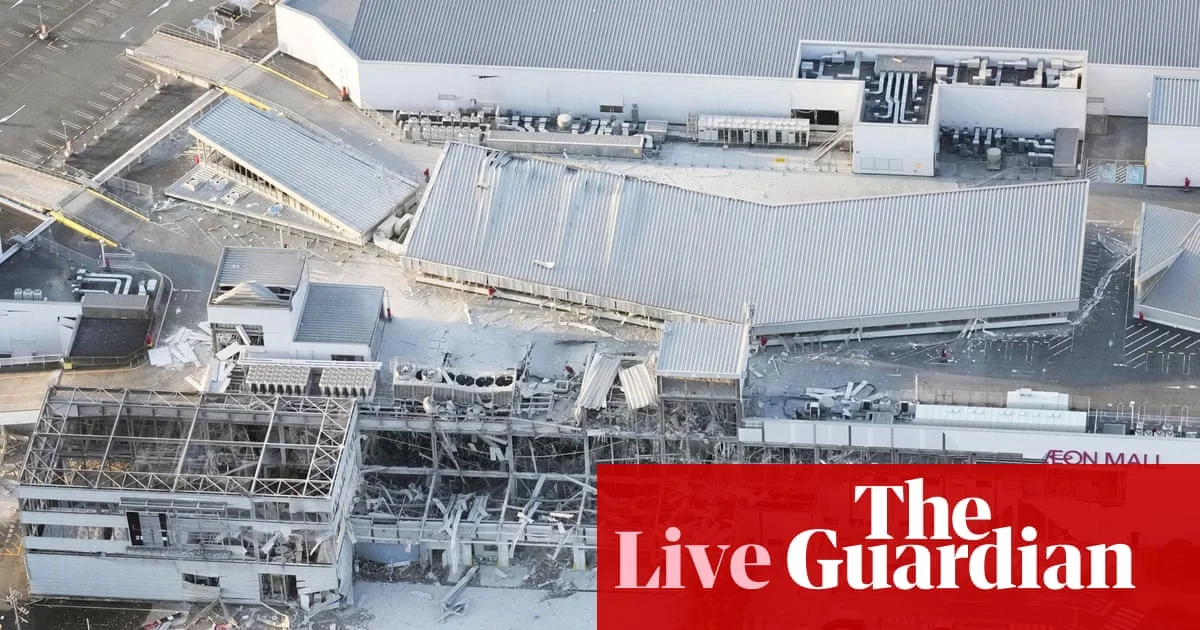
A powerful 7.1-magnitude earthquake struck Japan’s Kumamoto prefecture on Tuesday, leaving multiple people trapped inside a collapsed Aeon shopping mall in Kashima and triggering widespread panic across the southern region. While the International Atomic Energy Agency (IAEA) confirmed that the Sendai nuclear power plant remains safe and undamaged, the seismic event has sent shockwaves through global markets already on edge. The Kumamoto region is a critical hub for Japan’s semiconductor and automotive manufacturing industries, and any prolonged disruption to logistics or power could exacerbate the ongoing global tech sell-off.
For Iranian observers, the earthquake in Japan serves as a reminder of the fragility of global supply chains. Japan remains a key player in the high-tech machinery and electronics sectors that eventually trickle into the Middle Eastern markets. As the yen fluctuates and Japanese stocks react to the damage reports, the broader risk-off sentiment is contributing to a flight toward safe-haven assets, indirectly putting pressure on emerging market currencies and reinforcing the bullish trend in gold, which currently sits at a staggering $4,028 per ounce.

The 'Diplomatic Charade': Why the US-Iran Lull is Deceptive
General Michel Yakovleff, a former NATO high-ranking official, has offered a sobering assessment of the current state of US-Iran relations, labeling the recent lull in hostilities as a strategic "charade" rather than a genuine move toward peace. According to Yakovleff, the apparent de-escalation is dictated by the cold reality of military logistics and industrial limitations rather than diplomatic breakthroughs. Both nations are facing mounting structural constraints, including depleted missile stockpiles and the need to maintain domestic political legitimacy ahead of shifting global alliances. This suggests that any pause in direct conflict is merely a period of re-arming and re-calculating rather than a resolution of underlying grievances.
This analysis has immediate implications for the Iranian economy. The domestic market seems to have sniffed out this lack of true progress, as the USD/IRR rate moved from 188,800 to 191,000 (+1.2%) in just 24 hours. The perception that a "way out" of the war is being sought by the US administration—not out of goodwill, but out of necessity—creates a volatile environment where any minor spark could reignite full-scale hyperinflation or market panic. Traders are increasingly ignoring official rhetoric of "successful negotiations," focusing instead on the tangible increase in regional military readiness.

Caspian Sea Strike: A New Front in the Shadow War
The geopolitical landscape shifted significantly this hour following reports of a Ukrainian strike on an Iranian vessel in the Caspian Sea. Historically, the Caspian has been viewed as a safe, internal lake for Russian and Iranian cooperation, largely shielded from the reach of Western-aligned forces. This direct encounter marks a dramatic escalation, suggesting that the conflict in Eastern Europe and the tensions in the Middle East are merging into a single, interconnected theater of war. The strike targets the very heart of the North-South Transport Corridor, a vital economic lifeline for the Iranian government to bypass Western sanctions.
The market reaction in Tehran has been swift. Gold 18k per gram rose from 18,214,137 to 18,410,360 (+1.1%), reflecting a deep-seated fear that the Iranian mainland's northern borders are no longer the sanctuary they once were. If the Caspian Sea becomes a contested zone, the cost of importing essential goods and the security of energy exports will be thrown into chaos. This new front adds a layer of complexity to the Toman’s valuation, as investors move away from local currency and into hard assets, fearing that the "two wars" are indeed coming closer to home.
AI Hardware Bubble Bursts as Asian Markets Plunge
In the broader financial world, the "picks and shovels" trade of the AI revolution is facing a brutal reckoning. Shares of semiconductor giants Samsung and SK Hynix plummeted by more than 10% on Tuesday, dragging South Korea’s Kospi index down by a massive 11%. The trigger appears to be a dual threat: reports that China has successfully developed advanced DUV lithography machines—potentially breaking the Western monopoly on chip production—and growing investor skepticism over the massive debt being offloaded by AI firms to fund data center expansions. This tech bloodbath has spilled over into the crypto markets, where Bitcoin dropped to $63,450 as liquidity is pulled from high-risk assets.

For the Iranian investor, this global tech rout is a double-edged sword. While it may lead to cheaper hardware in the long run if Chinese competition succeeds, the immediate effect is a reduction in global risk appetite. When international investors panic, they pull out of emerging markets and speculative assets, often leading to a stronger US Dollar globally. This global dollar strength, combined with local geopolitical fears, is precisely what drove the Toman to the 191,000 level today. Even the Emami coin, which saw a slight dip from 185,500,000 to 184,500,000 (-0.5%), reflects a market that is currently confused and struggling to price in multiple simultaneous global crises.
Watch
Major earthquake hits southern Japan injuring at least 50 people
Sky News
Frequently Asked Questions
Why did the Toman reach 191,000 despite talks of de-escalation?
What is the significance of the Ukrainian strike in the Caspian Sea?
How does the Japan earthquake affect the Iranian tech market?
Why are AI and chip stocks like Samsung crashing so hard?
Understanding Currency Depreciation in Times of Geopolitical Uncertainty
Currency depreciation occurs when a country's currency loses value relative to one or more foreign currencies. This means that it takes more units of the local currency to buy a single unit of a foreign currency, such as the US dollar. For instance, if the USD to Toman exchange rate rises from 100,000 to 191,000, it signifies a significant depreciation of the Toman, as nearly twice as many Tomans are now required to purchase one US dollar. This phenomenon directly impacts a nation's economic stability and the daily lives of its citizens.
Several factors can contribute to currency depreciation. Economic fundamentals like high inflation rates, persistent trade deficits (where a country imports more than it exports), and low interest rates (which make holding the currency less attractive to foreign investors) are common drivers. When a country's economy is perceived as weak or unstable, investors may lose confidence, leading them to sell off assets denominated in that currency and convert them into more stable foreign currencies, further driving down its value.
Crucially, geopolitical factors and diplomatic tensions play an outsized role in accelerating currency depreciation, especially in economies facing international sanctions or prolonged political instability. Perceived failures in diplomatic negotiations, regional conflicts, or the imposition of new sanctions can trigger a rapid loss of confidence. This uncertainty can lead to capital flight, where domestic and foreign investors move their money out of the country in search of safer havens, exacerbating the currency's decline. The 'diplomatic charade' mentioned in the headline, if interpreted as a lack of genuine progress in negotiations, could directly fuel such concerns.
The consequences of significant currency depreciation are far-reaching. Imports become more expensive, leading to higher prices for consumer goods, raw materials, and machinery, which can further fuel inflation. The purchasing power of citizens diminishes, as their savings and wages are worth less on the international market. In severe cases, this can lead to a flight to alternative assets like gold, as people seek to protect their wealth from erosion. Understanding these dynamics is vital for comprehending the broader economic and social impacts of global events.
Topics
Related Articles