Trump Claims 'Deep Talks' with Iran as Toman Hits 190,600 Amidst Global Climate Inflation Fears
ادعای ترامپ درباره «مذاکرات عمیق» با ایران؛ صعود دلار به ۱۹۰,۶۰۰ تومان در سایه هشدارهای تورم اقلیمی
Donald Trump signals a potential breakthrough in US-Iran negotiations, causing oil prices to slide while the Toman climbs 1% to 190,600. Meanwhile, analysts warn that a surging El Niño could disrupt Fed rate cuts, adding a new layer of global economic uncertainty.
At time of publishing
USD
190,600
Toman
Gold 18K
18.34M
Toman / gram
Bitcoin
$63,402
US Dollar
Tether
190,100
Toman
Trump Signals 'Deep Talks' as Oil Markets Recalibrate
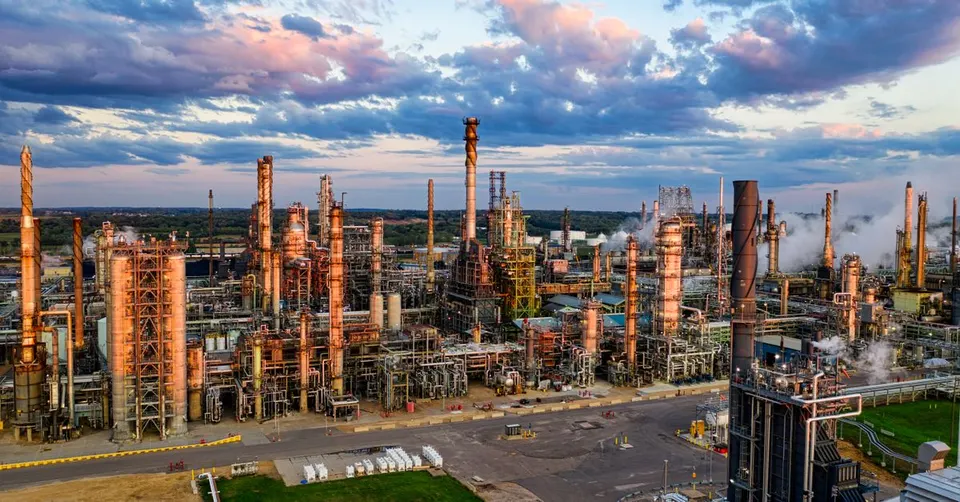
In a move that has sent ripples through global energy markets, U.S. President Donald Trump has claimed that "deep talks" are currently underway with Tehran to end the ongoing conflict. Speaking following a weekend of halted airstrikes on the Islamic Republic, Trump suggested there is a "good chance" a comprehensive deal can be reached. This diplomatic pivot immediately impacted the energy sector, with Brent crude and West Texas Intermediate (WTI) front-month contracts declining as traders priced in a potential de-escalation. The prospect of Iranian oil returning more freely to the global market, combined with a pause in active hostilities, has momentarily cooled the geopolitical premium that had kept prices elevated throughout the month.
However, the reaction in Tehran’s open market tells a more complex story of domestic skepticism and hedging. Despite the optimistic rhetoric from Washington, the USD/IRR exchange rate moved from 188,800 to 190,600, marking a 1.0% increase in the last 24 hours. This suggests that local traders are either treating the "deep talks" as a tactical maneuver or are bracing for the volatility that typically precedes a major diplomatic breakthrough. For the average Iranian citizen, the immediate reality remains one of rising costs; while oil prices drop globally, the local purchasing power continues to face pressure as the market awaits concrete proof of a signed agreement rather than just verbal signals.
The El Niño Effect: A New Threat to Fed Rate Cuts
While geopolitics dominates the headlines, a more silent but equally potent threat is emerging from the Pacific Ocean. Financial analysts are increasingly warning that a surging El Niño weather pattern could become the primary obstacle to the Federal Reserve’s planned interest rate cuts. The logic is grounded in supply-chain disruption: extreme weather events often lead to crop failures and logistical bottlenecks, which in turn drive up food and energy inflation. If climate-driven inflation persists, the Fed may be forced to keep interest rates higher for longer to prevent the economy from overheating, a move that would strengthen the US Dollar globally and put further strain on emerging market currencies like the Toman.
This "climate inflation" trade is already shifting investor behavior. Market experts suggest moving away from traditional oil plays and toward agricultural stocks, refiners, and tanker operators who stand to profit from the shifting trade routes and supply shortages caused by environmental instability. For Iranian investors, this means that even if a local peace deal is reached, the global backdrop of a strong USD—fueled by high US interest rates—could prevent the Toman from seeing a significant recovery. The intersection of environmental science and macroeconomics is now a critical variable for anyone holding gold or hard currency in Tehran.

Maritime Tensions and Legal Battles in the Caspian
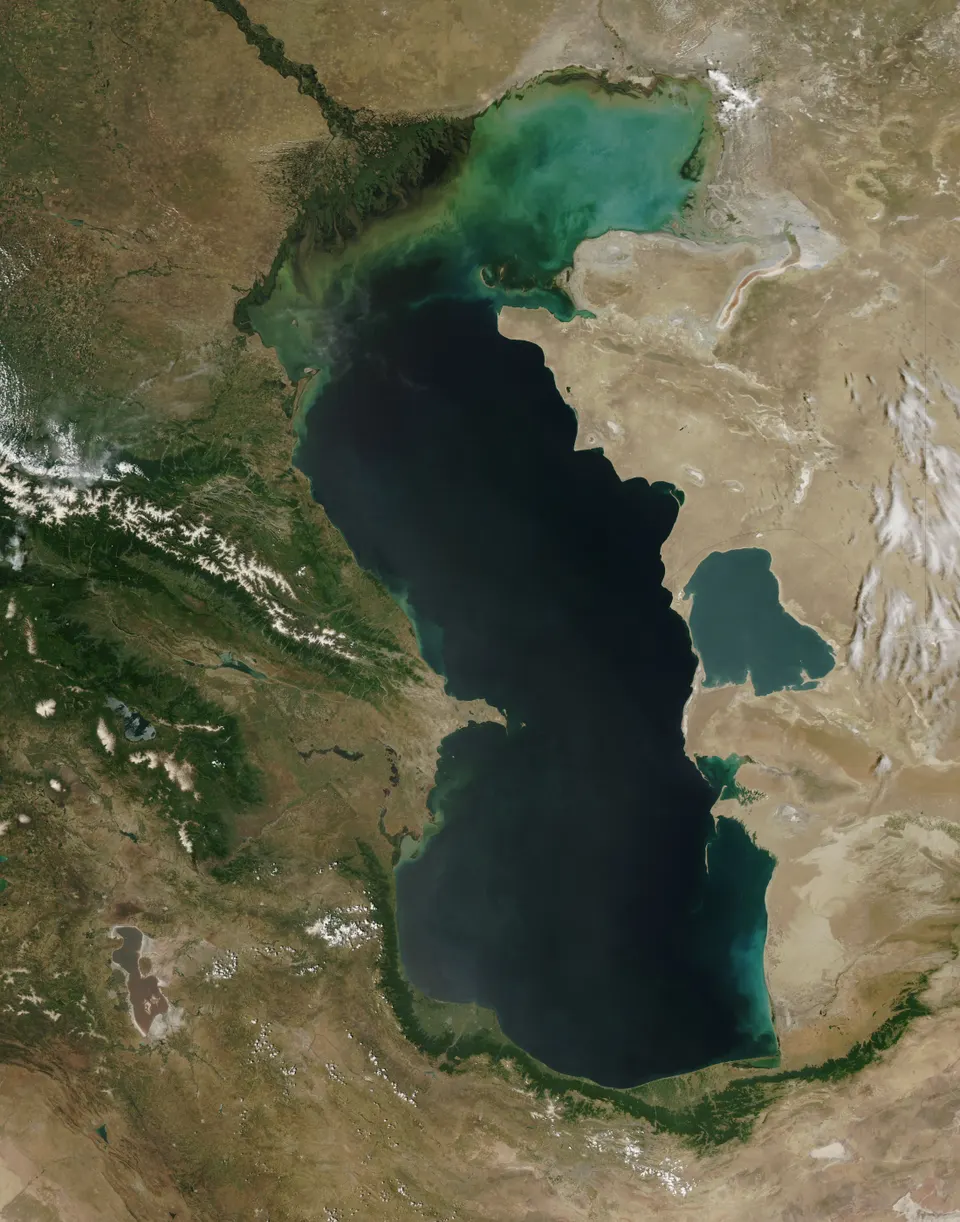
Even as peace talks are discussed in Washington, the reality on the ground—and water—remains fraught with friction. Iranian state media has reported that legal action is now officially underway against Ukraine following a drone attack on the Iranian vessel "Anna" in the Caspian Sea. Iran’s Consul General in Astrakhan, Ahmad Heydarian, condemned the strike as an act of aggression, highlighting that the conflict has expanded far beyond the traditional borders of the Middle East. This incident serves as a reminder that the path to regional stability is hindered by multiple actors and proxy conflicts that may not be easily resolved by a single bilateral agreement between the US and Iran.
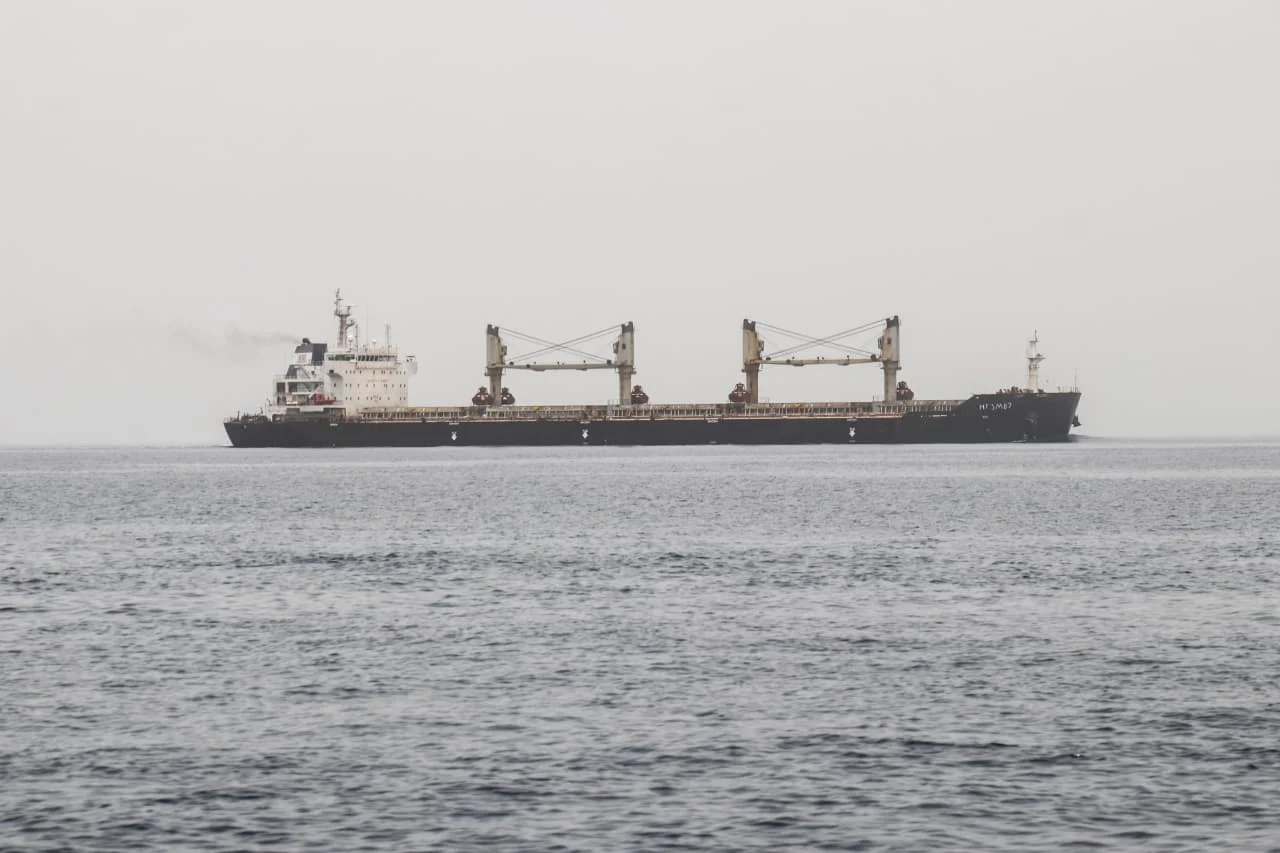
Simultaneously, the shipping industry is grappling with renewed threats in the Red Sea. Recent reports indicate that tanker traffic has hit a multi-month low as the Houthi blockade on Saudi shipments forces the world’s top crude exporter to once again re-route its tactics. These logistical nightmares contribute to the "growing costs" mentioned by global consumer giants like Unilever, which recently warned of further price rises for household goods. For the Iranian consumer, this translates to a double-edged sword: a potential diplomatic thaw on one side, and a global supply chain that is becoming increasingly expensive and dangerous to navigate on the other.
Wildfires and the European Heatwave Crisis
Across the Mediterranean, Spain and France are currently locked in a desperate race against time to control devastating wildfires before a new heatwave hits on Wednesday. In the Madrid region, three major fires have already caused significant damage, with officials describing the situation as "hellish." Firefighters are utilizing a narrow window of cooler temperatures to bring the blazes under control, but the forecast suggests that the worst is yet to come. These environmental disasters are not just human tragedies; they are economic disruptors that strain national budgets and impact tourism and agriculture across Southern Europe.
In France, the situation is particularly delicate near Bordeaux, where fires are burning just miles away from facilities housing chemical rocket fuel and used missiles. The proximity of these blazes to hazardous materials and sophisticated technology plants adds a layer of national security risk to the environmental emergency. As Europe grapples with these unprecedented blazes, the global focus on climate resilience is intensifying, reinforcing the narrative that environmental stability is now inseparable from economic and geopolitical security.
Watch
Where do the US-Iran talks to end the war stand? • FRANCE 24 English
FRANCE 24 English
Frequently Asked Questions
Why is the Toman falling if Trump is talking about peace?
How does El Niño affect the price of the Dollar in Iran?
What is the significance of the attack on the Iranian ship 'Anna'?
Economic Sanctions and Currency Depreciation: The Case of the Iranian Toman
The value of a nation's currency is a critical barometer of its economic health, often profoundly influenced by geopolitical events and international relations. When a country faces extensive economic sanctions, as Iran has for decades, its currency typically undergoes significant depreciation. This phenomenon is vividly demonstrated by the Iranian Toman's fluctuating value, where international pressures and the prospects of diplomatic talks can cause dramatic shifts, directly impacting the daily lives of its citizens.
Economic sanctions, particularly those targeting a country's vital export sectors like oil, severely restrict its ability to earn foreign currency. With fewer dollars, euros, or yen flowing into the economy, the supply of foreign exchange diminishes, making it more expensive relative to the local currency. Furthermore, sanctions often complicate international banking and trade, deterring foreign investment and encouraging capital flight as investors seek safer havens. This reduced demand for the local currency and increased demand for foreign currency creates a strong downward pressure on the domestic exchange rate.
The mere prospect of negotiations, such as "deep talks" between the U.S. and Iran, can introduce intense volatility. If markets anticipate a lifting of sanctions or a significant easing of tensions, the local currency might temporarily strengthen as expectations of increased trade and foreign investment rise. Conversely, if talks stall, new pressures emerge, or the international political climate sours, the currency can rapidly weaken further, reflecting renewed uncertainty and diminishing hopes for economic relief. This speculative element means that the Toman's value is not just a reflection of current economic fundamentals but also a sensitive gauge of geopolitical sentiment and future expectations.
For ordinary citizens, a depreciating currency translates directly into a higher cost of living. Imported goods, from medicines to essential foodstuffs, become more expensive. The purchasing power of salaries erodes, and savings held in the local currency lose value. This economic strain often fuels domestic discontent and can exacerbate social challenges, making the geopolitical chess game surrounding sanctions and negotiations a deeply personal issue for millions.
Topics
Related Articles