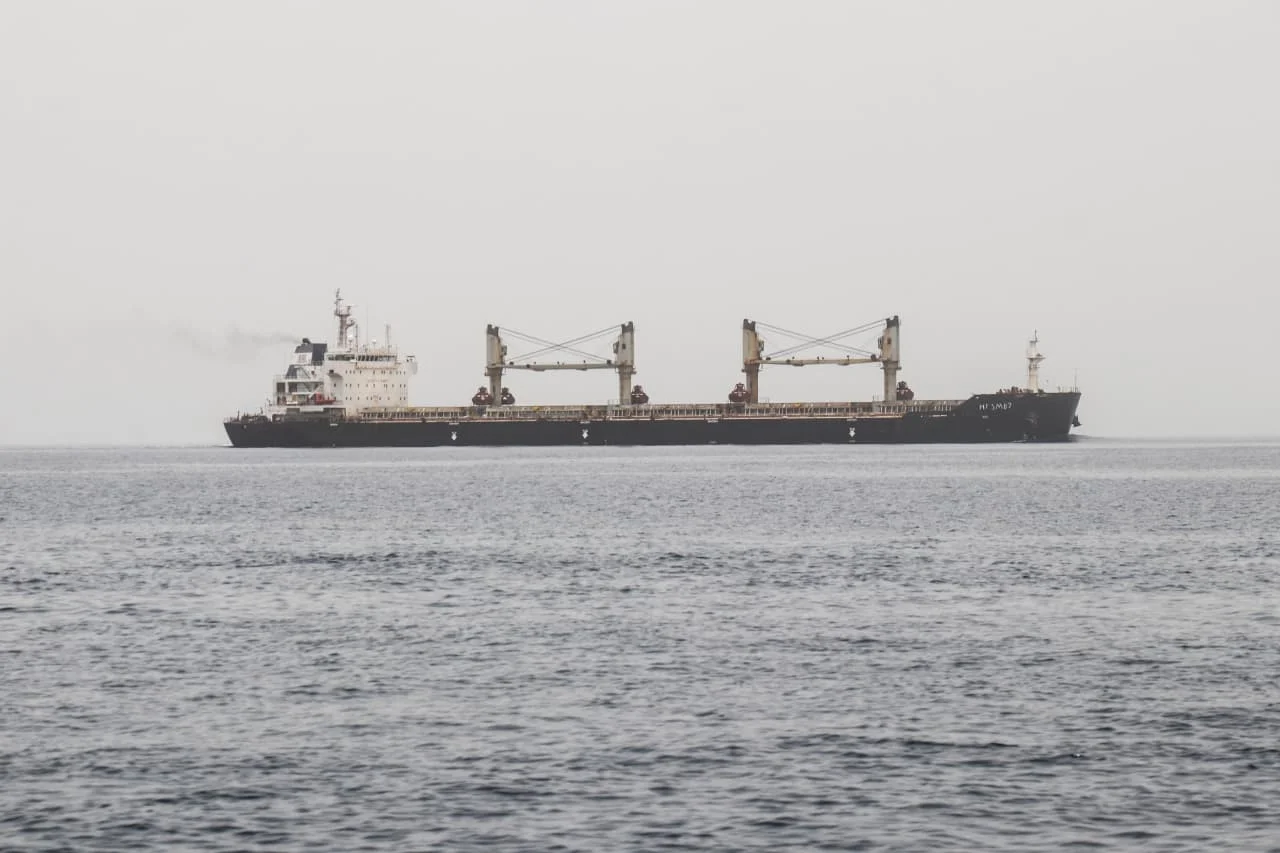
Iran Demands UN War Damage Audit as Trump’s ‘Deep Talks’ Claim Sends Oil Prices Lower
درخواست ایران از سازمان ملل برای برآورد خسارات جنگ همزمان با ریزش قیمت نفت در پی ادعای ترامپ
Tehran has officially called for UN intervention to assess damages from conflicts with the US and Israel, while global oil prices dropped following Donald Trump’s claims of secret negotiations with Iran. Simultaneously, a severe earthquake in Japan has disrupted tech supply chains, contributing to a broader market sell-off that pushed Bitcoin below $63,000.
At time of publishing
USD
190,300
Toman
Gold 18K
18.35M
Toman / gram
Bitcoin
$63,782
US Dollar
Tether
191,000
Toman
Tehran Demands UN Accountability for War Damages
In a significant diplomatic move, Kazem Gharibabadi, Iran’s Deputy Foreign Minister for Legal and International Affairs, has urged the United Nations to take an active role in assessing the damages caused by decades of military and economic friction involving the United States and the Israeli regime. According to reports from state media, Tehran is seeking a formal mechanism for post-war reconstruction and a neutral evaluation of the economic toll these conflicts have taken on the Iranian infrastructure. This push for international oversight suggests a strategy to institutionalize Iran's grievances on the global stage, potentially seeking a legal basis for future compensation or sanctions relief.
For the Iranian public, this development is more than just diplomatic posturing; it reflects the heavy burden that regional instability has placed on the domestic economy. As the government attempts to shift some of the financial responsibility onto the international community, the underlying message is one of severe economic strain. This move comes at a time when the Toman is under renewed pressure, with the USD sell rate climbing from 188,800 to 190,300 (+0.8%) in the last 24 hours. The call for UN involvement highlights the regime's need for external validation of its economic struggles, even as it continues to face isolation from Western financial systems.
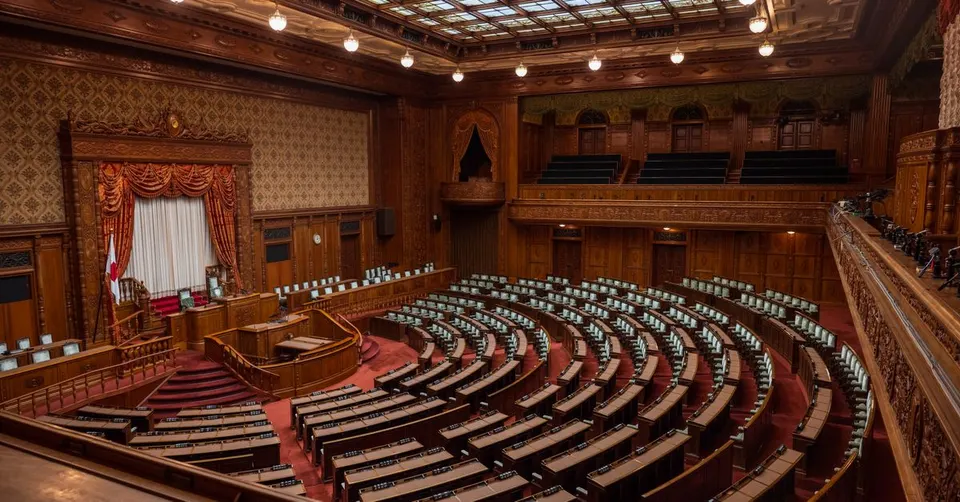
The ‘Trump Effect’ and the Volatility of Global Energy Markets
Global energy markets are currently reacting to conflicting signals from Washington and Tehran. Oil prices continued their downward trend for a third consecutive session after Donald Trump claimed that "deep talks" with the Iranian leadership are currently underway. While Trump’s rhetoric often aims to project a sense of diplomatic control, the immediate effect has been a cooling of the geopolitical risk premium in Brent and West Texas Intermediate crude. Investors are weighing the possibility of a de-escalation that could eventually bring more Iranian supply back to the market, though Tehran has publicly rejected several of Trump's recent proposals, including the use of frozen funds for maritime compensations.
Despite the dip in oil prices, the domestic market in Iran remains on edge. The rejection of Trump’s "frozen funds" plan by Iranian officials, coupled with warnings regarding the transit of ships through the Strait of Hormuz, has kept the currency market volatile. The Toman’s recent depreciation to the 190,300 level against the dollar indicates that traders are not yet convinced by the prospect of a diplomatic breakthrough. This divergence between falling global oil prices and a rising USD/IRR rate suggests that internal liquidity issues and local demand for hard currency are currently outweighing the broader macroeconomic signals from the energy sector.
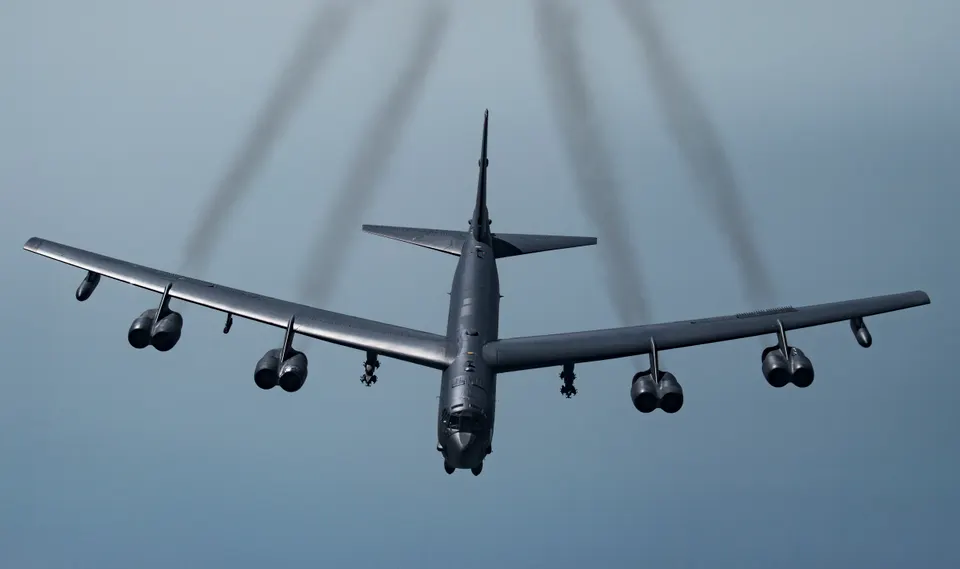
Japan’s Seismic Crisis and the Tech Sector Contagion
A powerful 6.8 magnitude earthquake in Japan’s Kumamoto prefecture has sent shockwaves far beyond the physical destruction in Kyushu. With over 48,000 homes losing power and major infrastructure like the Kumamoto airport and high-speed rail lines shut down, the impact on the global semiconductor supply chain was immediate. As Japan is a critical hub for high-tech manufacturing, the disruption triggered a sell-off in chip stocks that quickly spread from Asian markets to Wall Street. This contagion reached the cryptocurrency sector, where Bitcoin (BTC) saw its price pierce below the $63,000 mark as investors fled to more liquid or traditional safe-haven assets.
The earthquake serves as a reminder of the fragility of the globalized economy. For Iranian investors who have increasingly turned to crypto as a hedge against the Toman’s devaluation, the drop in BTC to 63,782 USD represents a double-edged sword. While the dollar is getting more expensive locally, their digital assets are losing value in global terms. This synchronization of physical disasters in the East with digital asset volatility in the West underscores the interconnected nature of modern finance, where a power outage in a Japanese shopping mall can directly impact the portfolio value of a trader in Tehran.
Heatwaves, Policy Shifts, and Market Resilience
In Europe, the Gironde region of France is bracing for a new 40°C heatwave, complicating efforts to contain flare-ups of devastating wildfires. This environmental crisis is mirrored by political shifts in the UK, where the government is introducing new conditional support for youth employment. Work and Pensions Secretary Pat McFadden has suggested that access to benefits will be tied to engagement with work support programs, a move aimed at curbing rising unemployment. These stories, while geographically distant, contribute to a global sense of instability that often drives capital toward the US dollar, indirectly supporting the greenback's strength against emerging market currencies like the Toman.
Finally, the stock market is showing pockets of extreme resilience despite the overarching AI threat. Analysts are highlighting software companies like Oracle and DigitalOcean as entities capable of withstanding the disruptive force of artificial intelligence. While most software firms expect a slowdown, these specific stocks are rising, bolstered by NVIDIA CEO Jensen Huang’s assertion that the "ChatGPT moment" is merely the start of a $50 trillion trend. For those tracking global wealth, the message is clear: while traditional sectors face environmental and social hurdles, the technological frontier continues to redefine the boundaries of value creation, even as local markets like Iran's gold sector see a slight rise in 18k prices to 18,345,722 Toman (+0.7%).
Frequently Asked Questions
Why is Iran asking the UN to assess war damages now?
How did Donald Trump's comments affect the oil market?
What is the link between the Japanese earthquake and the drop in Bitcoin?
Geopolitical Risk and its Influence on Oil Prices
The news headline vividly illustrates a fundamental principle of global economics: the profound impact of geopolitical events and diplomatic signals on commodity markets, particularly oil. When former President Trump's claim of 'deep talks' with Iran emerged, the immediate market reaction was a drop in oil prices. This isn't merely a coincidence; it's a direct reflection of how perceived changes in international relations can swiftly alter the supply and demand outlook for critical resources.
At the heart of this phenomenon is the concept of a geopolitical risk premium. In times of political instability, conflict, or heightened tensions in major oil-producing regions or along crucial shipping lanes, traders and investors factor in the increased likelihood of supply disruptions. This uncertainty leads to a 'premium' being added to the price of oil, reflecting the perceived risk. Conversely, when there are signs of de-escalation, successful negotiations, or a reduction in tensions – as suggested by 'deep talks' – this risk premium tends to diminish or even disappear, leading to a fall in prices.
The mechanism behind this is rooted in expectations. Markets are forward-looking; they constantly price in future scenarios. A hint of improved relations between the US and Iran, for instance, could suggest a potential easing of sanctions, leading to increased Iranian oil supply entering the global market. This anticipated increase in supply, or a reduced threat to existing supplies, can immediately push prices downwards, even before any concrete policy changes occur. The interplay of speculation, fear, and optimism drives these rapid shifts, making oil prices a sensitive barometer of global geopolitical stability.
Topics
Related Articles