
Biden Tape Leak & AI Sell-off Shake Global Markets as Toman Hits 190,800
نشت نوار صوتی بایدن و سقوط سهام تراشهسازان؛ دلار به ۱۹۰,۸۰۰ تومان رسید
A leak of Joe Biden's private recordings and a massive sell-off in South Korean tech stocks have triggered a flight to safety, pushing the USD to 190,800 Toman. Meanwhile, the militarization of security reaches US schools with the introduction of pepper-spraying drones.
At time of publishing
USD
190,800
Toman
Gold 18K
18.34M
Toman / gram
Bitcoin
$63,645
US Dollar
Tether
191,260
Toman
The Biden Tapes: A New Flashpoint in Washington
The release of audio recordings from 2016 and 2017 featuring Joe Biden has sent ripples through the American political landscape, just as the 2026 election cycle begins to heat up. In these recordings, obtained by a conservative activist group, the former president appears to discuss sensitive information and the possession of classified documents with his ghostwriter. While no classified material actually made it into his memoir, "Promise Me, Dad," the timing of this leak is designed to maximize political damage, highlighting the ongoing legal and ethical battles surrounding the handling of state secrets.
For observers in Tehran and the wider Middle East, this domestic American turmoil is more than just a headline. As the Toman climbs to 190,800 (+1.1% over 24 hours), the perceived stability of the current US administration directly impacts sanctions enforcement and diplomatic backchannels. When the White House is distracted by internal scandals, the vacuum is often filled by more hawkish voices, such as the late Senator Lindsey Graham, whose influence was recently highlighted in documentary footage showing his advocacy for military action against Iran. This political volatility in Washington translates into currency volatility in the Grand Bazaar.

AI Sell-off Hits South Korea as Global Tech Bubbles Deflate
The global enthusiasm for Artificial Intelligence faced a harsh reality check this week, with the South Korean stock market plunging to a three-month low. Tech giants Samsung and SK Hynix saw their share prices crater by more than 10%, a staggering loss for companies that were considered the backbone of the AI hardware revolution. This sell-off was triggered by growing investor anxiety regarding the massive capital expenditures and high levels of borrowing required to fund data center expansions, alongside intensifying competition from Chinese chipmakers who are rapidly closing the technological gap.
This "AI fatigue" suggests that the massive speculative bubble of the mid-2020s may finally be losing air. For the average investor, this shift signals a move away from growth-heavy tech stocks toward safer haven assets. We are seeing this reflected in the local Iranian market, where Gold 18k/gram has risen from 18,214,137 to 18,336,488 (+0.7%). While the global tech sector bleeds, the demand for physical assets like gold remains a primary hedge against both international market instability and the persistent devaluation of the Toman.

Drones in the Hallways: The New Face of School Security
In a chilling example of how battlefield technology is migrating to civilian life, several schools across the United States have begun installing pepper-spraying drones designed to respond to active shooter situations. Provided by a Texas-based company, these drones are explicitly inspired by tactics used in the Ukraine war, where small, agile UAVs have been used to neutralize threats in close-quarters combat. Schools in Georgia, Florida, and Colorado are among the first to adopt this "Guardian Angel" system, sparking a fierce debate over the militarization of educational environments.
This development underscores a broader global trend: the rapid normalization of autonomous or semi-autonomous defense systems. While proponents argue that these drones offer a non-lethal way to intervene before police can arrive, critics worry about the psychological impact on students and the potential for technical malfunctions. It represents a world where the line between "security" and "surveillance" is increasingly blurred. For the tech industry, it shows that the most profitable applications for AI and robotics continue to be found in the defense and security sectors, rather than in consumer software.
Wealth Management in Uncertain Times: The $2.3 Million Dilemma
As markets become more volatile, even high-net-worth individuals are finding themselves at odds with their financial advisors. A recent case involving a $2.3 million portfolio highlights the growing tension between traditional "buy and hold" strategies and more aggressive withdrawal or hedging plans. With the global economy facing high inflation and shifting trade routes—such as Uzbekistan seeking new paths to Pakistani ports to bypass regional instability—the old rules of retirement planning are being rewritten in real-time.
In Iran, this global uncertainty is compounded by local factors. While the USD has risen to 190,800, we've seen a slight correction in the Emami coin, which dropped from 185,500,000 to 184,000,000 (-0.8%). This divergence suggests that even within the "safe haven" of gold, there is a limit to how much local premiums can be pushed before a correction occurs. Whether you are managing a multi-million dollar portfolio or simply trying to protect your savings in Tehran, the lesson of July 2026 is clear: diversification is no longer optional; it is a survival requirement.
Frequently Asked Questions
Why did the USD/IRR price increase by 1.1% today?
Is the global AI stock market crashing?
How do pepper-spraying drones in US schools affect the tech market?
Understanding Currency Devaluation: Why the Iranian Toman Slid to 190,800 per USD
Currency devaluation is the intentional downward adjustment of a nation’s official exchange rate relative to other currencies. Unlike a market‑driven depreciation, which occurs when supply‑demand forces push a currency lower, devaluation is usually a policy decision made by a government or central bank to make exports cheaper, attract foreign capital, or correct a persistent balance‑of‑payments deficit. The move is recorded by changing the official rate at which the domestic currency can be exchanged for foreign currencies such as the U.S. dollar.
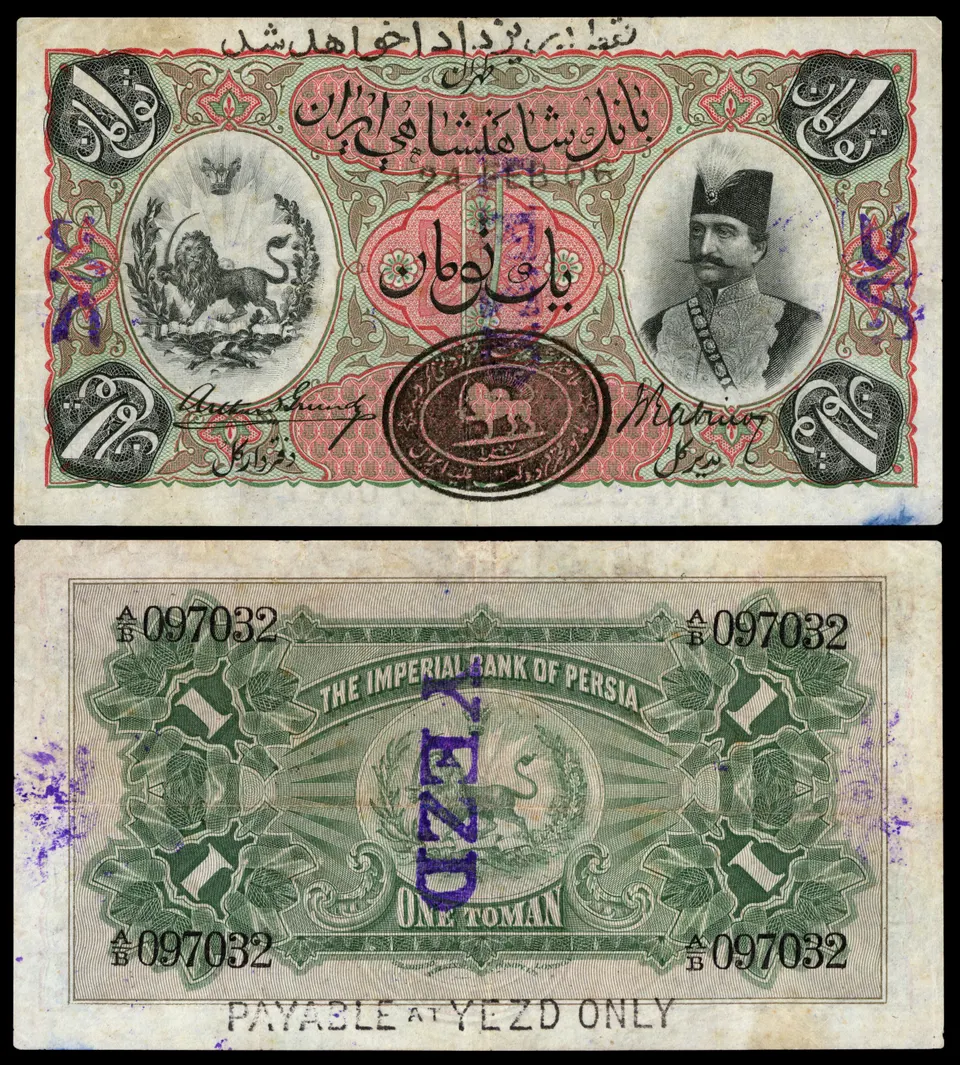
Iran’s economy provides a vivid modern case study. Over the past decade the Iranian rial (now often quoted as the “toman,” equal to ten rials) has been subjected to a series of official devaluations, sanctions‑driven capital flight, and high inflation. By July 2026 the official rate had reached roughly 190,800 tomans per U.S. dollar, a level that reflects both the cumulative effect of repeated devaluation rounds and the loss of confidence among investors. The sharp fall erodes purchasing power, drives up the price of imported goods—including gold, which Tehran’s markets price in dollars—and fuels a vicious cycle of inflation.
The mechanics of devaluation affect three key areas: export competitiveness, foreign debt servicing, and domestic price stability. A weaker currency makes locally produced goods cheaper abroad, potentially boosting export revenues. However, if a country relies heavily on imported inputs or foreign‑currency‑denominated debt—as Iran does for oil‑related equipment and sovereign bonds—the cost of servicing those obligations rises dramatically, straining public finances. Simultaneously, households face higher prices for everyday items, prompting central banks to tighten monetary policy, which can further suppress economic growth.
Policymakers must therefore balance short‑term gains against long‑term risks. Successful devaluation strategies are usually paired with structural reforms, such as diversifying the export base, improving fiscal discipline, and building foreign‑exchange reserves. Without these supports, the currency can spiral into hyperinflation, as seen in historical episodes in Zimbabwe and Venezuela. Understanding the Iranian experience helps investors and citizens alike gauge how exchange‑rate policy reverberates through stock markets, commodity prices, and everyday life.
For anyone watching global markets, the Iranian case underscores a broader lesson: exchange‑rate moves are not isolated financial tricks but reflections of deeper economic imbalances. When a currency slides dramatically, it signals underlying pressures—sanctions, fiscal deficits, or loss of investor trust—that can ripple far beyond the borders of the affected nation.
Topics
Related Articles