
Iran’s Execution Surge Rattles Markets as AI Spending Spree Spooks Wall Street
موج اعدامها در ایران و نگرانی والاستریت از هزینههای نجومی هوش مصنوعی
The Toman has climbed to 191,200 as reports of a surge in executions in Iran fuel domestic anxiety and market volatility. Meanwhile, Wall Street is growing nervous as Google's AI spending hits a staggering $205 billion, testing investor patience.
At time of publishing
USD
191,200
Toman
Gold 18K
18.34M
Toman / gram
Bitcoin
$63,764
US Dollar
Tether
191,272
Toman
The Human Cost of Control: Iran’s Execution Surge and the Toman’s Slide
Human rights organizations are sounding the alarm as the Iranian government sharply escalates its use of the death penalty, a move widely interpreted as an attempt to stifle domestic dissent amid deepening economic misery. According to recent reports, the latest wave of hangings has sparked sporadic public protests, with unverified footage circulating online showing citizens reacting to the state's increasingly brutal tactics. This surge in state-sanctioned violence coincides with a period of heightened regional tension, as the regime continues its multi-front shadow war while simultaneously tightening its grip on the local population to prevent internal collapse.
For the average Iranian, this atmosphere of repression is mirrored directly in the currency markets. The USD/IRR rate has climbed from 188,800 to 191,200 over the last 24 hours, a 1.3% jump that reflects a "fear premium" being baked into the Toman. When the state resorts to such extreme measures of control, it signals to investors and citizens alike that internal stability is fragile. This lack of confidence is driving a flight toward hard assets, keeping the demand for the US dollar and gold high, even as global markets experience their own tremors. Gold 18k has also followed this upward trend, rising 0.7% to reach 18,336,488 Toman per gram.

The AI Bill Comes Due: Wall Street’s $205 Billion Reality Check
The honeymoon phase of the artificial intelligence boom may be coming to a close as the sheer cost of building the digital future becomes clear. Google’s parent company, Alphabet, recently shocked investors by raising its projected capital expenditure to as much as $205 billion, up significantly from previous estimates of $190 billion. While the promise of AI remains vast, Wall Street is beginning to ask a pointed question: when will these massive investments translate into actual profits? The "unpleasant surprise," as analysts describe it, has sent a ripple of anxiety through tech stocks, suggesting that the era of blind faith in AI spending is being replaced by a demand for fiscal discipline.
This shift in sentiment is critical for global portfolios. If the giants of Silicon Valley cannot prove the immediate utility of their multi-billion dollar data centers, we may be looking at a significant correction in the tech sector. For Iranian investors holding tech-heavy assets or tracking global trends, this serves as a reminder that even the most "unstoppable" narratives have a price ceiling. The nervousness on Wall Street often precedes a flight to safety, which could further bolster the US dollar globally, adding indirect pressure on the Toman as the global liquidity environment tightens.
Trump’s $13 Billion Oil Windfall and the OPEC+ Pivot
In a characteristic display of "America First" economics, Donald Trump revealed on Air Force One that his administration has successfully monetized $13 billion in Venezuelan oil since the removal of Nicolás Maduro. This revenue, according to Trump, has effectively paid for the costs of the U.S. intervention "many times over." By holding these funds in frozen Treasury accounts, the U.S. has created a massive financial buffer that underscores the shifting power dynamics in the global energy market. This aggressive approach to energy assets signals that the U.S. is no longer just a regulator of global oil flows but an active participant in seizing and selling them for national gain.
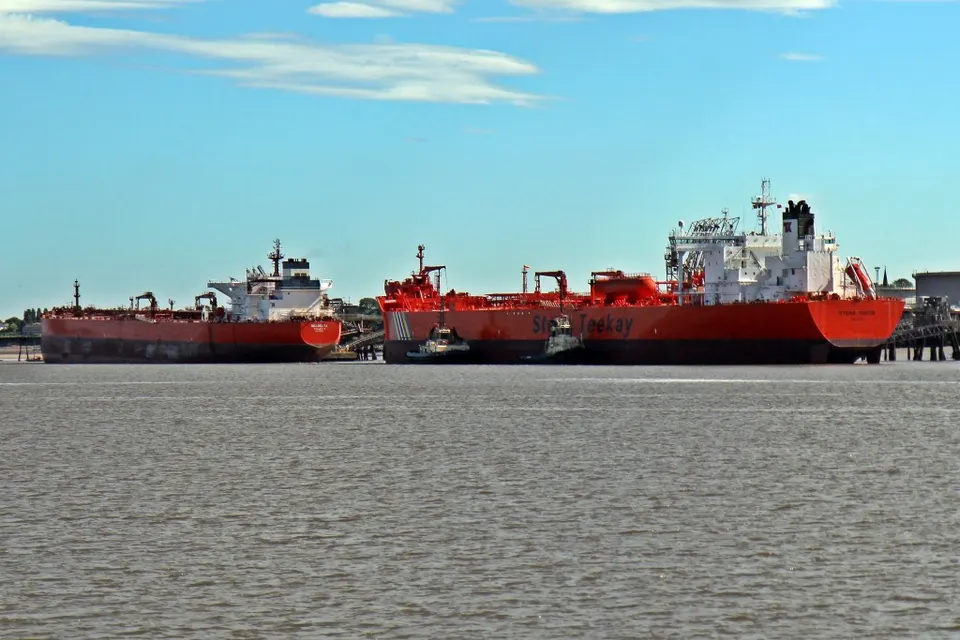
Meanwhile, the OPEC+ alliance—led by Saudi Arabia and Russia—is signaling a tactical retreat. Reports suggest the group is preparing to approve one final production increase for September before freezing output targets for the remainder of the year. This move is designed to stabilize prices in the face of fluctuating global demand and the influx of non-OPEC supply. For Iran, which remains largely sidelined by sanctions and regional conflict, these shifts in the global oil landscape are a double-edged sword. While higher prices might theoretically benefit the treasury, the increasing dominance of U.S.-controlled supply and the disciplined output of OPEC+ leave Tehran with very little room to maneuver or influence the market.
SpaceX and the Lottery of Private Equity
While public markets grapple with AI costs, the private sector continues to offer high-stakes gambles for the lucky few. Recent reports on SpaceX IPO allocations highlight the extreme exclusivity of the space industry’s leading player. Investors often receive only a tiny fraction of the shares they request—if they receive any at all—making a "full allocation" feel like winning the lottery. This scarcity drives a secondary market frenzy where valuations are disconnected from traditional metrics and instead fueled by the visionary, and often polarizing, reputation of Elon Musk.
What this means for the broader market is a continued divergence between the "old economy" and the speculative "frontier economy." As SpaceX pushes toward Mars and Starlink dominates global satellite internet, the company has become a proxy for human progress itself. However, for the retail investor, this highlights the growing barrier to entry in high-growth sectors. Wealth is increasingly being concentrated in private rounds long before the public has a chance to participate. This trend reinforces the importance of diversification; while the Toman devalues and gold hits $4,000, the ultra-wealthy are betting on orbital infrastructure, a world away from the daily struggles of currency volatility.
Frequently Asked Questions
Why is the Toman rising despite a drop in some coin prices?
Is the AI bubble bursting with Google's $205 billion spend?
How does Trump's $13 billion Venezuela oil claim affect Iran?
Understanding Currency Devaluation and Hyperinflation: The Iranian Rial Case
Currency devaluation occurs when a nation's monetary authority allows its currency to lose value relative to foreign currencies, often reflected in a rising exchange rate like the USD‑to‑Toman figure of 191,200. Devaluation can be a deliberate policy to boost exports, but it is more commonly a symptom of macro‑economic imbalances such as large fiscal deficits, dwindling foreign reserves, or sanctions that restrict access to hard currency. When the supply of a currency outpaces demand, its purchasing power erodes, leading to higher import prices and, in extreme cases, hyperinflation.
Hyperinflation is defined as a sustained monthly inflation rate exceeding 50 % and typically results from a vicious cycle: the government prints money to cover deficits, which fuels price spirals, prompting further money creation. Iran’s rial (often quoted in “toman” units) has experienced severe depreciation over the past decade, driven by U.S. sanctions, a sharp drop in oil revenues, and a loss of confidence among investors. The current exchange rate of roughly 191,200 Rial per USD translates into skyrocketing prices for essentials, prompting Iranians to turn to gold and foreign currencies as stores of value.
For market participants, such currency turmoil introduces pronounced exchange‑rate risk. Investors holding assets denominated in a weakening currency may see real returns evaporate, while foreign investors may demand higher risk premiums, causing capital outflows and further pressure on the local currency. Hedging tools—such as forward contracts, options, or holding assets in stable currencies—become essential strategies to preserve wealth in volatile environments.
The ripple effects extend beyond Iran’s borders. A devalued rial can affect global commodity markets (e.g., oil, gold) because Iran is a significant oil producer and gold consumer. When Iranian investors rush to buy gold as a hedge, domestic gold prices spike, influencing global price dynamics. Understanding the mechanics of devaluation and hyperinflation thus equips traders, policymakers, and ordinary citizens to anticipate market reactions and protect their purchasing power.
In summary, the Iranian rial’s steep depreciation illustrates how geopolitical pressures, fiscal mismanagement, and sanctions can combine to trigger currency devaluation and, in extreme cases, hyperinflation. Recognizing the signs—rapid exchange‑rate shifts, soaring inflation, and capital flight—helps stakeholders respond proactively, whether through monetary policy adjustments, diversification, or hedging strategies.
Topics
Related Articles