
Red Sea Tensions Flare as Houthis Strike Saudi Tanker; Bitcoin Hits $64K Ahead of Fed Decision
تشدید تنشها در دریای سرخ با حمله حوثیها به نفتکش سعودی؛ بیتکوین در آستانه تصمیم فدرال رزرو به ۶۴ هزار دلار رسید
Regional instability deepens as Houthi forces claim a new strike on a Saudi oil tanker, coinciding with a breakdown in the brief US-Iran lull. Meanwhile, Bitcoin defies tech sector weakness to clear $64,000 as markets brace for a high-stakes Federal Reserve interest rate decision.
At time of publishing
USD
191,000
Toman
Gold 18K
18.70M
Toman / gram
Bitcoin
$64,357
US Dollar
Tether
192,803
Toman
Red Sea Escalation and the Shadow of Regional Conflict
The maritime security landscape in the Middle East has taken a sharp turn for the worse this morning. Houthi rebels in Yemen have claimed a direct strike on another Saudi oil tanker in the Red Sea, a move that significantly escalates their declared blockade of shipping lanes. This incident comes as their ally, Iran, continues to exert pressure on the Strait of Hormuz, effectively creating a dual-chokehold on global energy supplies. The timing is particularly sensitive, as US Central Command reported intercepting multiple ballistic missiles fired by Iranian forces, shattering a brief and fragile lull in direct hostilities between Washington and Tehran.
Adding to the geopolitical complexity, Donald Trump and Benjamin Netanyahu have concluded a high-profile meeting at the White House, their seventh such encounter, focusing specifically on the ongoing conflict involving Iran. This high-level coordination suggests a hardening of the Western stance toward regional proxies and Tehran's maritime strategy. For the Iranian domestic market, these developments have immediately translated into a flight to safety. While the US Dollar in Tehran showed a marginal decline from 191,200 to 191,000 Toman (-0.1%), the gold market reacted with far more urgency. Gold 18k per gram surged from 18,336,488 to 18,698,924 Toman, a significant 2.0% jump in just 24 hours, reflecting deep-seated fears of a wider regional conflagration.
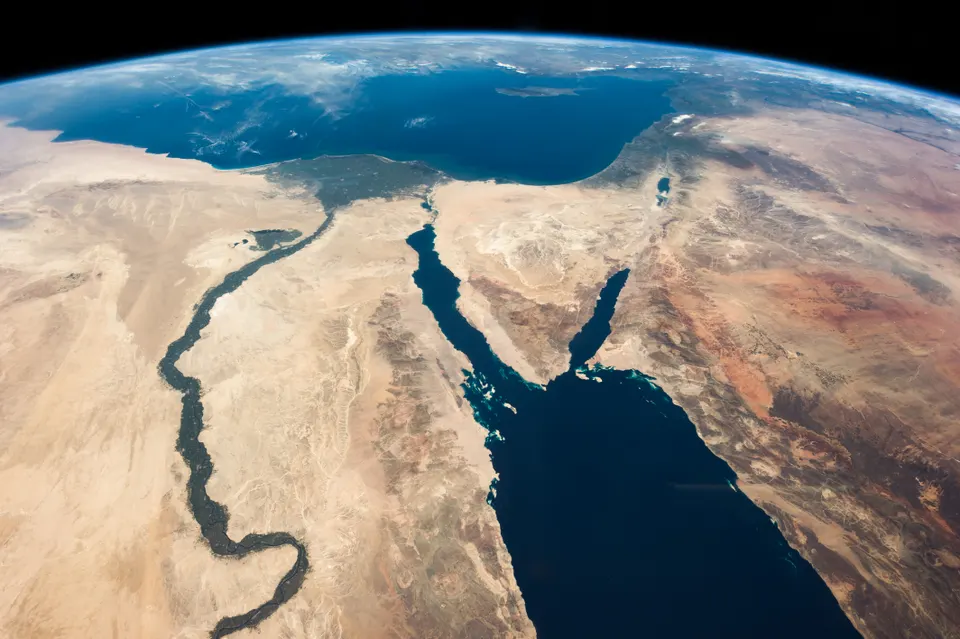
This spike in gold prices, alongside the Emami coin rising 1.4% to 186,500,000 Toman, indicates that local investors are hedging against the risk of sudden currency shocks or supply chain disruptions. The 'bottling up' of the Strait of Hormuz is not just a military maneuver; it is a direct threat to the flow of goods and the stability of the Rial. If these maritime strikes continue, the cost of insurance for regional shipping will skyrocket, inevitably leading to higher import costs for essential goods in Iran. The market is currently in a 'wait-and-see' mode, watching whether the US will retaliate further against the launch sites or if diplomatic backchannels can restore the previous lull.
Bitcoin Defies Tech Weakness Ahead of Fed Decision
In the global financial markets, Bitcoin has displayed remarkable resilience, clearing the $64,000 threshold during Asian trading hours. This move comes despite a general malaise in the broader technology sector, which has been hampered by AI-led weakness. Analysts note that Bitcoin is currently shrugging off the volatility seen in traditional tech stocks, instead focusing on the upcoming Federal Reserve interest rate decision. Currently trading at $64,357, the world’s largest cryptocurrency is benefiting from a 'risk-on' sentiment among traders who expect the Fed to maintain its current stance, though the shadow of a surprise move remains.
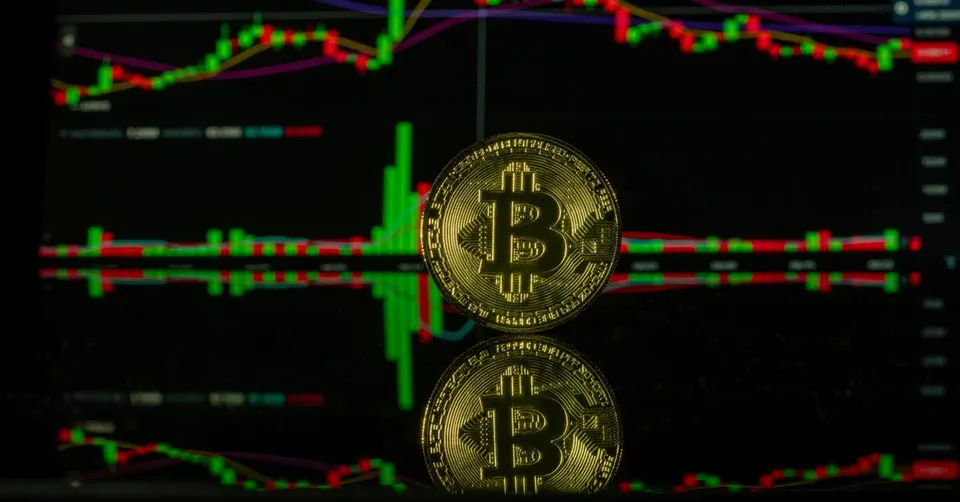
While the majority of the market expects a 'hold' from the Fed this Wednesday, heavyweight institutions like Citadel Securities and UBS are flagging the risk of a surprise rate hike. Citadel’s macro team suggests that such a move might be an attempt by the Fed to exert a final psychological blow to inflation expectations before the market becomes too complacent. This divergence in expectations is creating a high-volatility environment for crypto assets. For Iranian traders, the stability of Bitcoin above $64k provides a necessary hedge, especially as the local price of Tether (USDT) remains elevated at 192,803 Toman, reflecting the persistent premium on digital dollars within the country.
What this means for the average investor is a period of extreme tactical sensitivity. If the Fed does indeed surprise the market with a hike, we could see a rapid correction in Bitcoin prices, which would likely trigger a surge in domestic demand for hard assets in Iran as global liquidity tightens. Conversely, a dovish hold could propel Bitcoin toward its previous all-time highs, further decoupling it from the struggling AI tech sector. The next 24 hours will be critical in determining whether this $64,000 level acts as a new floor or a temporary ceiling.
Global Energy Pivot: Security Over Sustainability
A significant shift is occurring in global energy policy as nations prioritize fuel security over the green energy transition. In a landmark move, New Zealand’s government has awarded its first offshore oil and gas exploration license since lifting a previous ban on drilling. This policy reversal by the new administration in Wellington highlights a growing trend where governments are returning to hydrocarbons to ensure domestic energy stability amid global geopolitical chaos. This follows a similar debate in Australia, where plans for a new oil refinery in Western Australia have been labeled 'dinosaur technology' by environmental experts, yet are being pushed forward by the government as a necessary measure for national fuel security.

These developments suggest that the 'clean energy transition' is hitting a pragmatic wall. As conflicts in the Middle East threaten the Red Sea and the Strait of Hormuz, nations that previously committed to phasing out fossil fuels are realizing that their economies cannot yet function without a secure supply of oil and gas. The feasibility studies for these new projects often show they are uneconomic without government subsidies, but the political cost of a fuel shortage is now considered higher than the fiscal cost of these subsidies. This global trend toward securing fossil fuel infrastructure is likely to keep long-term oil prices supported, even as demand for electric vehicles grows in some regions.
For Iran, a major oil producer, this global pivot is a double-edged sword. On one hand, the continued global reliance on oil ensures that there will always be a market for its exports, even under strict sanctions regimes. On the other hand, as allies and competitors alike (such as New Zealand and Australia) ramp up their own production and refining capabilities, the long-term leverage of Middle Eastern producers may begin to wane. This shift underscores a world that is becoming more fragmented, where energy independence is viewed as the ultimate form of national security.
Frequently Asked Questions
Why is gold rising in Iran while the dollar is relatively stable?
What is the 'Citadel surprise' regarding the Fed decision?
How does the New Zealand oil drilling news affect global markets?
Understanding Maritime Chokepoints: The World's Vulnerable Trade Routes
The recent Houthi strikes on tankers in the Red Sea, alongside persistent tensions in the Strait of Hormuz, highlight a critical concept in global economics and geopolitics: maritime chokepoints. These are narrow sea channels or straits that are essential for international shipping, acting as vital arteries for the flow of goods, particularly oil and natural gas. Their strategic importance means that any disruption, whether due to conflict, piracy, or natural disaster, can have far-reaching economic consequences across the globe.
Maritime chokepoints like the Bab el-Mandeb Strait (at the southern end of the Red Sea) and the Strait of Hormuz (connecting the Persian Gulf to the open ocean) are crucial for global energy supplies. A significant portion of the world's crude oil and liquefied natural gas (LNG) passes through these constricted waterways daily. When these routes are threatened, as seen with the Houthi attacks, shipping companies face increased risks, leading to higher insurance premiums, longer transit times as vessels reroute, and ultimately, increased costs for consumers and businesses worldwide.
The vulnerability of these chokepoints underscores the fragility of global supply chains. Disruptions can cause energy prices to spike, inflate shipping costs, and create bottlenecks that delay the delivery of everything from consumer goods to industrial components. Understanding maritime chokepoints is key to comprehending how regional conflicts can quickly escalate into global economic challenges, impacting inflation, trade balances, and even international relations as nations seek to secure their vital maritime interests.
Topics
Related Articles