
22-Hour Nonstop Flights and the $5B Hedge Against Hormuz Instability
پروازهای ۲۲ ساعته و حصار ۵ میلیارد دلاری علیه ناامنی در تنگه هرمز
Airbus prepares to launch the world's longest nonstop flight while a US-Saudi consortium plans a $5 billion refinery to bypass the volatile Strait of Hormuz as regional tensions drive the dollar higher in Tehran.
At time of publishing
USD
193,400
Toman
Gold 18K
18.65M
Toman / gram
Bitcoin
$64,257
US Dollar
Tether
193,463
Toman
The Dawn of Ultra-Long-Haul: Project Sunrise
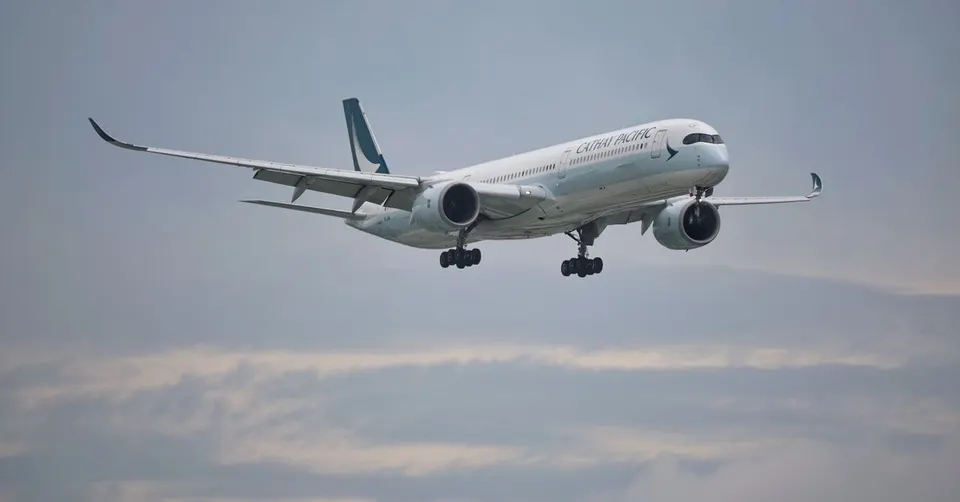
Airbus and Qantas are preparing to redefine the limits of commercial aviation with 'Project Sunrise,' a series of nonstop flights connecting London and Sydney in approximately 22 hours. This ambitious endeavor utilizes specially modified Airbus A350-1000 aircraft, designed with additional fuel tanks and a reduced passenger capacity to handle the immense distance. For the aviation industry, this represents more than just a technical milestone; it is a direct challenge to the traditional 'hub and spoke' model that has dominated international travel for decades, potentially making stopovers in cities like Dubai or Singapore obsolete for premium travelers.
The economic implications of these ultra-long-haul routes are significant. By bypassing traditional transit hubs, airlines can capture higher margins from business travelers willing to pay a premium for time saved. However, the project also faces scrutiny regarding the physiological impact on passengers and crew, as well as the environmental footprint of carrying so much fuel weight for such a long duration. As Airbus moves toward the final testing phases, the global market is watching closely to see if this niche luxury service can eventually scale into a broader trend for global connectivity.
Bypassing Hormuz: A $5 Billion Strategic Pivot
As tensions in the Persian Gulf reach a boiling point, a consortium of U.S. and Saudi companies, known as MERA Oil, has announced plans to construct a $5 billion refinery specifically located outside the Strait of Hormuz. This facility, which will have a capacity of 200,000 barrels per day, represents a massive strategic hedge against Iran's periodic threats to close the world's most vital oil chokepoint. By establishing refining capacity that can access global markets through the Arabian Sea or the Gulf of Oman, the consortium is effectively attempting to decouple regional energy security from the immediate geopolitical risks associated with Iranian naval activity.
This move comes as Iran and Oman reportedly swap proposals for managing the Strait of Hormuz. While Iranian state-affiliated media suggests these proposals are aimed at 'regional cooperation,' the reality on the water tells a different story. The IRGC recently claimed to have seized three tankers, and the U.S. military has reported increased drone activity. The $5 billion investment by MWG Group and Saudi partners is a clear signal that the private sector no longer views the Strait as a reliable corridor. It is a vote of no confidence in the long-term stability of the current maritime status quo, prioritizing infrastructure that can survive even if the Strait becomes a full-scale conflict zone.
Markets React to US-Saudi Strikes in Iraq
The geopolitical temperature spiked this hour following reports that Saudi Arabia has joined the United States in conducting air strikes against Iran-backed militias in Iraq. This direct involvement by Riyadh marks a significant escalation and a departure from previous years of cautious diplomacy. The strikes, targeting groups responsible for drone attacks on Saudi energy infrastructure and US bases, have sent shockwaves through regional markets. In Tehran, the reaction was swift and decisive. The USD sell rate moved from 191,200 to 193,400 Toman, a 1.2% increase, as traders scrambled for the safety of hard currency amid fears of a broader regional retaliation.
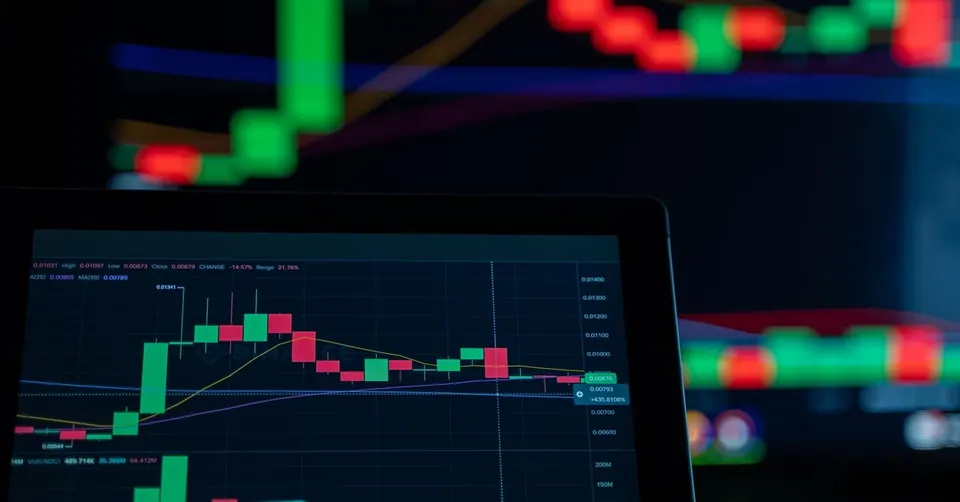
Gold and coin markets followed the dollar's lead, reflecting deep-seated anxiety among Iranian investors. The Emami gold coin jumped from 184,000,000 to 188,000,000 Toman, a 2.2% surge within 24 hours, while 18k gold rose 1.7% to 18,652,754 Toman per gram. These price movements are not merely speculative; they represent a flight to quality as the prospect of a direct confrontation between regional powers becomes more tangible. For the average Iranian consumer, this volatility translates to immediate inflationary pressure, further eroding purchasing power as the cost of imports and hedges rises in tandem with the military escalation.
Northern Front: Drones Strike Russian Logistics
While the Middle East remains a primary focus, the conflict in Eastern Europe continues to impact global logistics and Iranian interests. Ukrainian drone attacks have successfully targeted Russian industrial sites, including a massive fire at a Wildberries warehouse in Ryazan. Wildberries, Russia's largest online retailer, is a critical component of the country's domestic economy and a key partner in the burgeoning North-South transport corridor that links Russia to Iran. The disruption of these logistics hubs complicates the Kremlin's efforts to maintain economic normalcy and could slow down the execution of bilateral trade agreements with Tehran.
These strikes demonstrate the increasing vulnerability of Russian infrastructure far behind the front lines. As Russia struggles to protect its industrial heartland, its reliance on Iranian-made military hardware and alternative trade routes is likely to increase. However, the instability of the Russian domestic market also poses a risk to Iranian exporters who have banked on the Russian market to offset the impact of Western sanctions. The burning warehouses in Ryazan are a visual reminder that the interconnectedness of modern warfare means that a drone strike in Russia can have direct economic consequences for businesses in the Middle East.
Frequently Asked Questions
What is the strategic significance of the MERA Oil refinery?
How does Project Sunrise change international travel?
Why did the price of the US Dollar and Gold rise in Tehran today?
Strategic Chokepoints and Geopolitical Risk in Global Energy Supply
The global economy relies heavily on the uninterrupted flow of energy, particularly oil, through a network of critical maritime passages known as strategic chokepoints. These narrow channels, often straits or canals, are indispensable for international trade and energy transport. Any disruption in these chokepoints, whether due to political instability, conflict, or natural disaster, can trigger significant geopolitical risk, leading to volatile energy prices, supply shortages, and broader economic instability worldwide. Understanding these vulnerabilities is crucial for comprehending global energy security.
A prime example of such a chokepoint is the Strait of Hormuz, a vital waterway connecting the Persian Gulf to the open ocean. Approximately one-fifth of the world's total petroleum liquids consumption, and a substantial portion of global liquefied natural gas (LNG) supply, passes through this strait daily. Its strategic importance is immense; any threat to shipping in Hormuz—from regional tensions, naval incidents, or political disputes involving surrounding nations like Iran—can immediately send shockwaves through global oil markets, driving up crude prices and impacting economies far and wide.
Nations and corporations often implement strategies to "hedge" against the geopolitical risks associated with these chokepoints. This "hedge" is not always a financial instrument like an options contract, but can involve diverse approaches. It might include strategic investments in alternative energy infrastructure (like pipelines bypassing chokepoints), diversifying oil sources, building up strategic petroleum reserves, or even diplomatic efforts to de-escalate regional tensions. The goal is to build resilience and reduce vulnerability to disruptions in these critical arteries of global trade.
Such hedging strategies are costly but deemed necessary to safeguard economic stability. For instance, investments in refining capacity in less volatile regions, or the development of new oil and gas fields outside politically sensitive areas, serve as long-term hedges. These efforts aim to ensure that even if a major chokepoint faces severe disruption, the global energy supply chain can absorb the shock without collapsing, thereby protecting consumers and industries from the most severe economic consequences.
Topics
Related Articles