Mountaineering Icon Nirmal Purja Killed in Avalanche as Tehran Markets Hedge with Gold
مرگ اسطوره کوهنوردی جهان در بهمن پاکستان؛ پناه سرمایهگذاران بازار تهران به طلا و دلار
The global mountaineering community is in shock following the death of Nirmal 'Nims' Purja on Broad Peak, while Tehran's markets react to global uncertainty with a 1.6% spike in gold prices. As Wall Street strategists debate the market bottom, escalating wildfires in Europe and missile strikes in Kyiv paint a picture of a world on edge.
At time of publishing
USD
194,650
Toman
Gold 18K
18.87M
Toman / gram
Bitcoin
$63,042
US Dollar
Tether
194,500
Toman
The Fall of a Giant: Nirmal Purja’s Final Climb
The mountaineering world lost one of its most legendary figures today as Nirmal “Nims” Purja was confirmed dead following a massive avalanche on Broad Peak in Pakistan. Purja, a British-Nepali climber who gained global fame for scaling all 14 of the world’s 8,000-meter peaks in a record-breaking six months, was reportedly among a group of ten climbers struck by the slide. While his company has confirmed the tragic news, the incident highlights the increasing dangers of high-altitude tourism in an era of unpredictable Himalayan weather patterns.
Purja was more than just an athlete; he was a symbol of human endurance and a disruptor in the elite world of mountaineering, often challenging Western-centric narratives of the sport. His death leaves a massive void in the climbing community and raises urgent questions about safety protocols on Pakistan’s most dangerous slopes during the summer season. For the tourism industry in the Gilgit-Baltistan region, this loss is a significant blow, as Purja’s expeditions were major draws for international investment and media attention.

Fear and Hedging: Wall Street Uncertainty Ripples into Tehran
As global investors grapple with the question of whether the worst of the recent stock market selloff is over, Tehran’s local markets are showing clear signs of defensive positioning. In the last 24 hours, the USD in Tehran rose from 192,800 to 194,650 (+1.0%), while Gold 18k jumped from 18,576,573 to 18,872,062 (+1.6%). This surge in gold outpacing the dollar suggests that local traders are seeking the ultimate safe haven as Wall Street strategists remain divided on the trajectory of the S&P 500 and Nasdaq.
Adding to the anxiety is a growing skepticism regarding official economic data. While some analysts argue that the market has hit its floor, others point to the complexities of Social Security benefits and inflation adjustments as signs of a strained system. For instance, questions regarding whether survivors can claim full benefits at age 62 highlight the personal financial anxieties that mirror the macro-level volatility. In Iran, these global signals are amplified by local liquidity shifts, leading to a modest 0.3% rise in the Emami coin, which moved from 188,000,000 to 188,500,000 Toman.
Europe Under Pressure: From Megafires to Border Surges
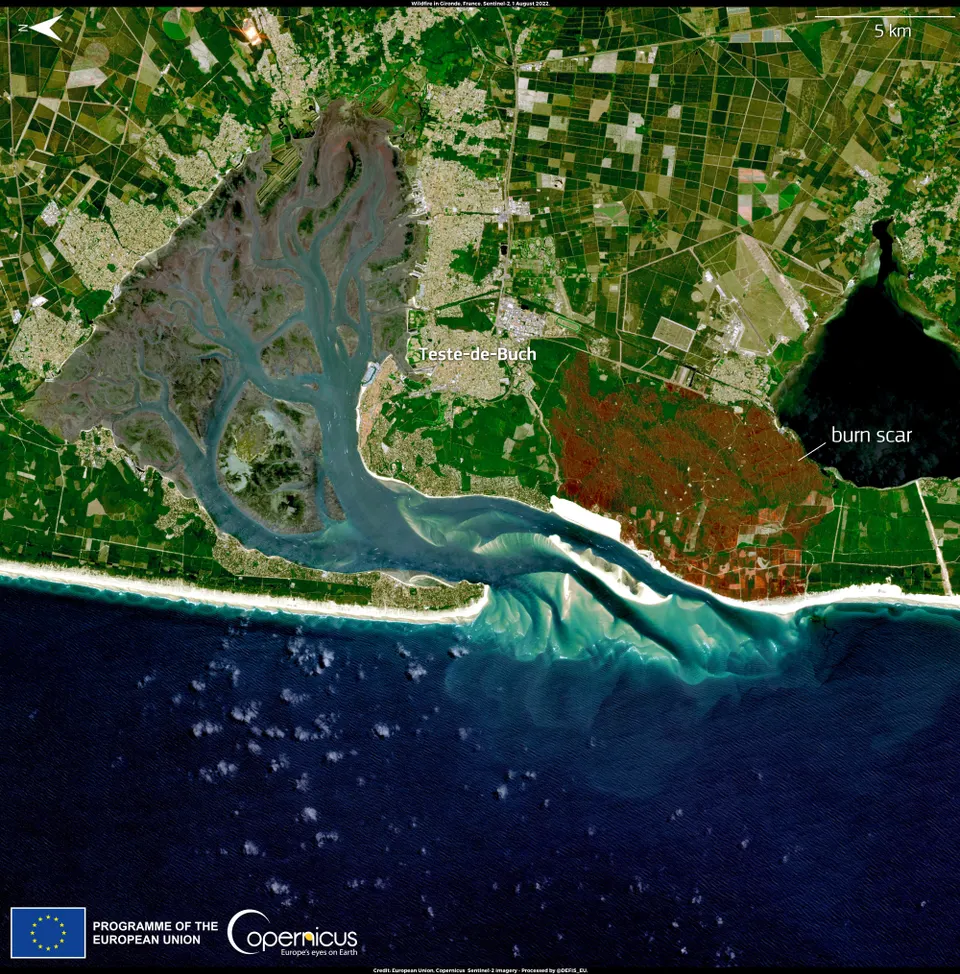
Europe is currently battling a dual crisis of environmental catastrophe and geopolitical pressure. In France, authorities report that a "megafire" in the Gironde region has finally been contained, though it remains a volatile situation as wildfires continue to ravage parts of Greece and Spain. These fires are not just ecological disasters; they represent a significant drain on European national budgets and insurance markets, further complicating the Eurozone’s economic recovery efforts. The persistence of these blazes during the peak of summer underscores the long-term fiscal risks posed by climate instability.
Simultaneously, Spain is facing a significant humanitarian challenge in its North African territory of Ceuta. Tens of thousands of migrants have reportedly entered the enclave from Morocco, creating a diplomatic and logistical nightmare for Madrid. While many have been returned, the sheer scale of the surge points to deepening instability in North Africa and the continued use of migration as a lever in regional geopolitics. For markets, this instability in the Mediterranean basin adds another layer of risk to European trade routes and labor stability.
Regional Friction: Missile Strikes and Defensive Warnings
The geopolitical landscape darkened further this afternoon as Russian missile and drone attacks on Kyiv left nine people dead, hitting residential buildings and schools. This escalation in Eastern Europe coincides with increasingly bellicose rhetoric from Tehran. Major General Ali Abdollahi, a high-ranking Iranian military commander, issued a stark warning to regional states, claiming that any country acting as a "defensive shield" for the United States would "burn in the fire of war."
These comments, reported by state media, represent a clear attempt to intimidate neighboring countries that cooperate with U.S. central command. While such statements are a staple of the regime's defensive doctrine, the timing—amidst high global market volatility—serves to keep the risk premium on oil and regional currencies high. Investors are closely watching the Strait of Hormuz and regional airbases, as any move from rhetoric to action could send the USD and gold prices in Tehran into a much more aggressive upward spiral.
Frequently Asked Questions
How did Nirmal Purja die and what is his legacy?
Why is gold rising faster than the US dollar in the Iranian market today?
What are the economic implications of the wildfires in France and Greece?
Gold as a Safe-Haven Asset
In times of economic uncertainty, geopolitical turmoil, or market volatility, investors often seek refuge in assets perceived to be stable and reliable. One such asset, historically revered for its enduring value, is gold. Known as a "safe-haven asset," gold is a financial instrument that is expected to retain or even increase in value during periods of market stress, thereby offering protection against losses in other investments. Its appeal stems from its tangible nature, universal acceptance, and limited supply, which collectively contribute to its perceived intrinsic value.
The flight to gold as a safe haven typically occurs when traditional investments like stocks and bonds become unpredictable. Factors such as high inflation, currency depreciation, political instability, or widespread economic crises can trigger this shift. For instance, if a country's local currency is rapidly losing value, as implied by the USD to IRR exchange rate in the context of Tehran markets, investors might convert their depreciating currency into gold to preserve their purchasing power. Similarly, global events like conflicts or natural disasters that create systemic risk can prompt a broader move into gold as a hedge against widespread economic fallout.
While gold does not offer interest or dividends like many other investments, its primary benefit as a safe haven lies in its ability to act as a store of value. When fear grips the markets, demand for gold tends to rise, pushing its price higher. This inverse relationship with market sentiment allows investors to mitigate risks and protect their wealth during downturns. However, it's important to note that even gold is not entirely immune to market forces, and its price can fluctuate. Nevertheless, its long-standing role as a crisis commodity makes it a crucial component of many diversified portfolios, especially for those navigating turbulent economic landscapes.
Topics
Related Articles