Wildfires Ravage Athens as Tehran Markets Cool on De-escalation Hopes
آتشسوزی در آتن و ریزش قیمتها در بازار تهران؛ سایه تنش و توافق بر تابستان داغ
Gale-force winds drive wildfires toward Athens as European firefighting efforts struggle. Meanwhile, Tehran's markets see a sharp correction as rumors of a 'rapid deal' with the US continue to suppress gold and currency demand.
At time of publishing
USD
191,800
Toman
Gold 18K
18.35M
Toman / gram
Bitcoin
$63,038
US Dollar
Tether
192,657
Toman
Gale-Force Winds Fan Wildfire Crisis Near Athens
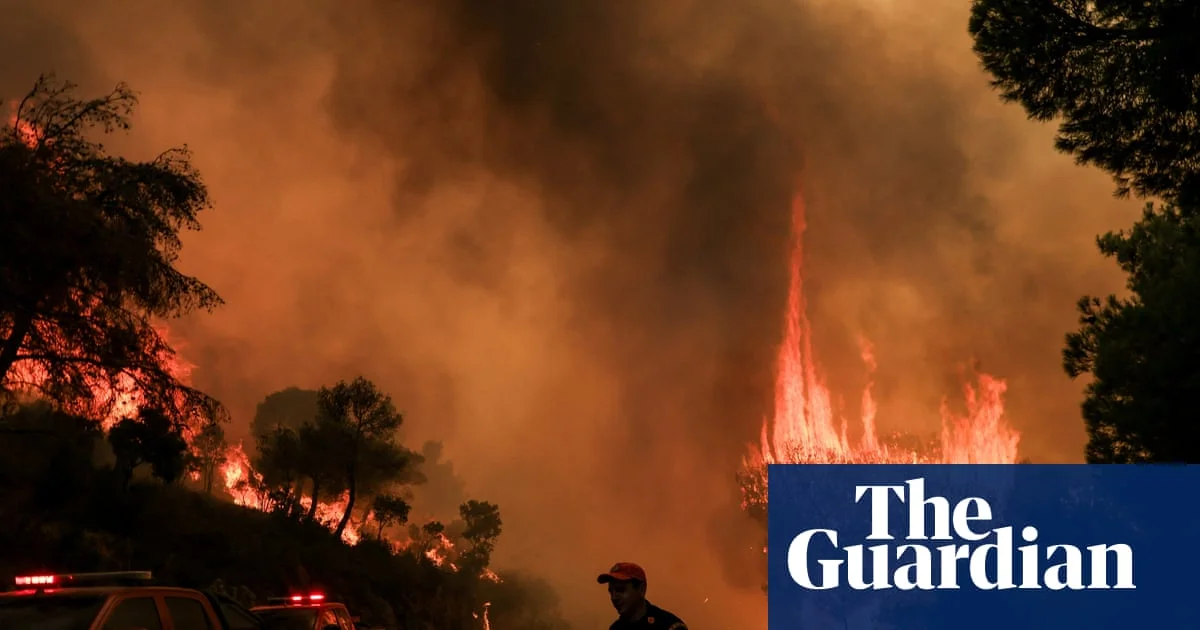
Europe’s wildfire crisis has reached a critical juncture this Sunday as gale-force winds drive flames deeper into the Attica region surrounding Athens. The situation has become particularly dire near the industrial district of Megara, where violent gusts have made it impossible for firefighting aircraft to collect water from the sea. This environmental catastrophe is not isolated; while France and Spain have managed to stabilize some of their largest blazes, the focus of the immediate danger has shifted entirely to Greece, where hundreds have been evacuated in a desperate attempt to prevent loss of life as the fire line advances.
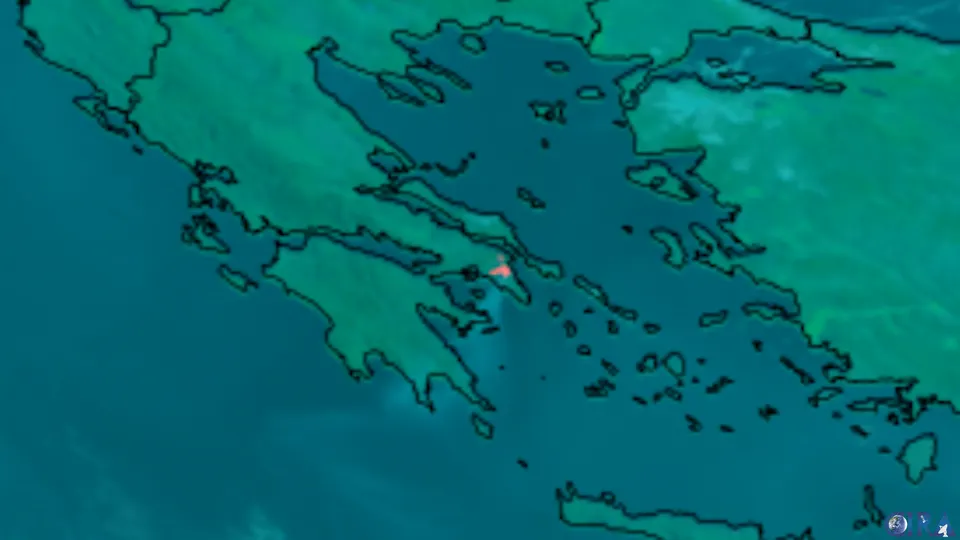
The inability of state-of-the-art aerial support to function in these conditions highlights a growing vulnerability in European climate defenses. As the winds prevent the usual cycle of water bombing, ground crews are left to battle walls of flame that are moving faster than traditional containment lines can be dug. For the broader region, this represents more than just a local emergency; it is a signal of the increasing volatility of Mediterranean summers, which are now characterized by extreme weather events that outpace the logistical capabilities of even the most prepared nations.
Tehran Markets Retreat as 'Rapid Deal' Optimism Cools Prices
In the financial heart of Tehran, the atmosphere has shifted from high-tension speculation to a cautious retreat. Following reports that Donald Trump has paused potential strikes in favor of a "rapid deal," the local markets have responded with a significant sell-off. The USD/IRR exchange rate moved from 194,400 to 191,800, representing a 1.3% decline in just 24 hours. This downward pressure is being mirrored in the gold sector, where 18k gold per gram fell from 18,733,551 to 18,352,647 Toman, a 2.0% drop that suggests investors are moving out of safe-haven assets as the immediate threat of kinetic conflict appears to recede.

This market cooling is further compounded by the massive domestic movement associated with the Arbaeen pilgrimage. State media, specifically IRNA, has reported that over 3.2 million people have transited through Iranian borders for the event, with 1.6 million already returning. This massive logistical undertaking typically creates a unique liquidity environment in the country, but this year, it coincides with a geopolitical pivot that has caught many speculators off guard. The Emami coin also saw a sharp correction, dropping 2.1% from 188,000,000 to 184,000,000 Toman, as the "war premium" that had been baked into prices over the last week begins to evaporate.
Administrative Chaos and Border Tensions Grip Post-Brexit Europe
While the Mediterranean burns, Northern and Western Europe are facing a different kind of crisis—one of administrative and political friction. In the United Kingdom, the Home Office has reportedly begun stripping some EU citizens of their residency rights, claiming the status was granted "in error" following the Brexit transition. This move has sent shockwaves through the expatriate community, as individuals who have built lives in Britain for years are suddenly told their legal standing is void. This development raises serious questions about the UK's compliance with its withdrawal agreements and suggests a hardening of bureaucratic stances that could lead to prolonged legal battles.
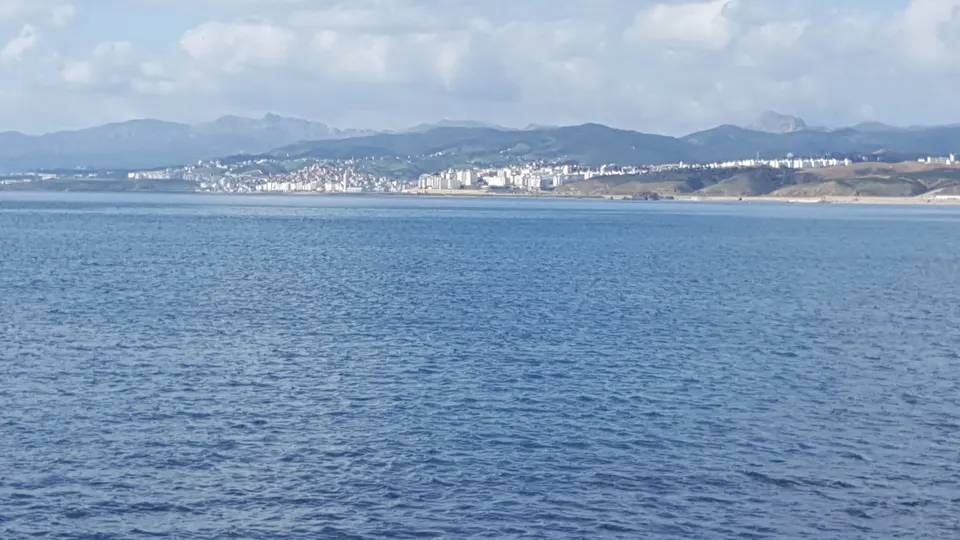
Simultaneously, the Spanish exclave of Ceuta has become a flashpoint for far-right political mobilization. Following a surge in migrant arrivals last week, far-right leaders have stepped up calls for mass expulsions, fueling social tensions in the territory. This dual reality—administrative errors in London and populist fervor in Spain—paints a picture of a Europe struggling to manage its borders and its identity in a post-globalized era. For international observers, these events signify a shift toward more restrictive and often chaotic migration policies that could impact trade, labor markets, and diplomatic relations across the continent for the remainder of 2026.
Frequently Asked Questions
Why is the wildfire in Athens considered out of control?
What caused the sudden drop in Tehran's gold and currency prices today?
What is the 'residency error' affecting EU citizens in the UK?
Geopolitical Risk and Financial Markets: The Case of Iran
Geopolitical risk refers to the possibility of political events, conflicts, or instability impacting economic activity and financial markets. These risks can range from international disputes and trade wars to domestic political upheavals and shifts in foreign policy. For countries heavily integrated into the global economy or those facing international sanctions, such as Iran, geopolitical developments often become the primary driver of market sentiment and asset prices. The cooling of Tehran markets on "de-escalation hopes" illustrates precisely this phenomenon: markets had likely priced in a positive outcome from potential diplomatic progress, and the reversal of these hopes led to a negative repricing of assets.
The mechanism through which geopolitical risk affects markets is multifaceted. Increased uncertainty makes investors cautious, often leading to a "flight to safety" where capital moves from riskier assets (like local stocks or speculative investments) into perceived safe havens such as gold or stable foreign currencies. In Iran, where the local currency (Iranian Rial, IRR) has historically been volatile due to sanctions and political tensions, the USD/IRR exchange rate becomes a critical barometer of market confidence. When de-escalation hopes dim, the Rial often weakens against the dollar as people seek to preserve wealth in a more stable currency, fearing future economic instability or increased sanctions.
Similarly, the price of gold in Iran is highly sensitive to geopolitical shifts. While gold is often considered a global safe-haven asset, its local price can also reflect domestic economic anxieties and currency depreciation. A drop in gold prices, as mentioned in the headline, could indicate a complex interplay of factors: perhaps a temporary strengthening of the Rial (though the headline suggests otherwise), a broader global market trend, or a specific local dynamic where gold is being sold off for liquidity due to other economic pressures. Crucially, any news related to international agreements, sanctions relief, or heightened tensions directly influences these indicators, as market participants constantly adjust their expectations for the country's economic future.
Ultimately, the interconnectedness between geopolitical events and financial market performance is profound, especially in economies like Iran's. The ebb and flow of international relations, the prospect of sanctions being tightened or eased, and the overall political climate create an environment where market movements are less driven by traditional economic fundamentals and more by the perception of political stability and future international engagement. Understanding this dynamic is key to interpreting the volatility seen in markets highly exposed to geopolitical currents.