Kuwait Downs Drones as IRGC Vows Retaliation; Tehran Markets Slide on 'Rapid Deal' Hopes
سرنگونی پهپادها در کویت و تهدید سپاه به انتقام؛ ریزش قیمتها در بازار تهران با امید به توافق
Tensions spike as Kuwait intercepts drones and the IRGC renews threats of a 'crushing' response, even as Tehran markets continue to retreat on hopes of a diplomatic breakthrough.
At time of publishing
USD
191,000
Toman
Gold 18K
18.32M
Toman / gram
Bitcoin
$63,053
US Dollar
Tether
192,041
Toman
The Kuwaiti Interception and the IRGC’s Vow
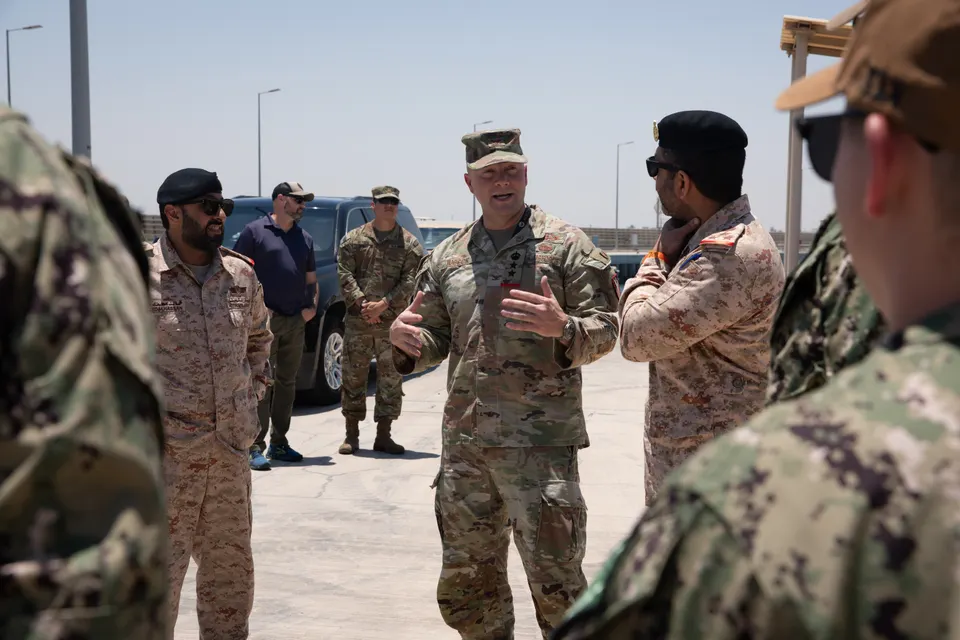
Geopolitical tensions in the Persian Gulf took a sharp turn toward escalation this evening as Kuwaiti authorities announced they had successfully downed several Iranian drones. This incident occurs against a backdrop of extreme regional anxiety, with U.S. embassies issuing warnings about the potential for 'unforeseen escalation.' While Kuwait has historically acted as a mediator in the region, the direct interception of Iranian hardware over its territory marks a significant hardening of the security environment. The drones were reportedly part of a wave of strikes that coincide with President Trump’s threats to intensify the American pressure campaign against Tehran, creating a volatile atmosphere where a single miscalculation could trigger a broader conflict.
Simultaneously, the Islamic Revolution Guards Corps (IRGC) has doubled down on its rhetoric. According to reports from the state-run IRNA, the IRGC has vowed a 'severe and crushing' retaliation for the assassinations of former Hamas leader Ismail Haniyeh and other high-ranking figures. While such statements are a staple of the regime's domestic signaling, the timing—combined with the Kuwaiti drone incident—suggests that the window for quiet de-escalation may be closing. For the average Iranian, these headlines represent a terrifying duality: the promise of a diplomatic 'rapid deal' from Washington on one hand, and the reality of potential kinetic warfare on the other.
Tehran Markets: A Fragile Retreat Amid War Fever
Despite the drums of war beating louder in Kuwait, the Tehran markets have continued their downward correction, fueled by rumors of a diplomatic pivot. In the last 24 hours, the USD/IRR exchange rate moved from 194,400 to 191,000, a decrease of 1.7%. This cooling of the 'war premium' suggests that local traders are currently weighing the possibility of a Trump-led deal more heavily than the immediate threat of military strikes. However, this optimism is incredibly fragile; any confirmation that the 'rapid deal' talks have stalled could see these gains erased within hours, as the gap between the official and open-market rates remains a point of high sensitivity for the public.
Gold prices followed a similar trajectory, reflecting a broader exit from safe-haven assets in the local market. Gold 18k per gram fell from 18,733,551 to 18,320,328 Toman, a 2.2% decline, while the benchmark Emami coin dropped from 188,000,000 to 184,000,000 Toman (-2.1%). While the global gold price remains elevated at $4,043.70 per ounce, the domestic drop is a clear indicator that the 'panic buying' seen earlier this week has subsided. Investors are currently in a 'wait-and-see' mode, caught between the IRGC's threats of retaliation and the potential for a massive sanctions relief package that could accompany a new nuclear or security arrangement.

Global Disruptions: From Ukrainian Drones to Tech Inflation
Beyond the Middle East, the global landscape remains equally turbulent. Ukrainian drone strikes have reportedly hit several industrial targets inside Russia, including a massive warehouse belonging to the e-commerce giant Wildberries. These strikes, which killed at least five people, highlight Kyiv's ongoing strategy of taking the war to Moscow’s economic heart. For Iranian observers, the targeting of logistics and retail hubs in Russia serves as a grim reminder of how modern conflicts can suddenly disrupt the flow of consumer goods and essential services, regardless of how far one is from the front lines.
In the technology sector, consumer inflation is hitting gamers and tech enthusiasts hard. Microsoft has announced dramatic price increases for the Xbox Series X in the European and UK markets, with some models jumping by as much as €200. This move follows a period of rising hardware costs and supply chain shifts that are beginning to manifest in higher retail prices globally. As the cost of living continues to rise in the West, and energy markets remain volatile despite record solar output in the UK, the global economy is entering a phase where geopolitical risk and inflationary pressure are becoming inextricably linked, leaving little room for error for central banks or individual households.
Frequently Asked Questions
Why is the USD/IRR price falling despite military tensions in Kuwait?
What was the significance of the drone incident in Kuwait?
How much did gold prices drop in Tehran today?
Geopolitical Risk and Financial Market Volatility
Geopolitical risk refers to the potential for political events, conflicts, or instability between nations or regions to disrupt the global economy and financial markets. These risks can manifest in various forms, such as military confrontations, diplomatic crises, trade wars, or the imposition of sanctions. The recent news of Kuwait intercepting drones and the IRGC's vow of retaliation, coupled with aspirations for a "rapid deal" concerning Iran, perfectly illustrates how such developments create immediate uncertainty and apprehension among investors worldwide.
Financial markets inherently dislike uncertainty, and geopolitical events are a prime source of it. When tensions escalate, investors often react by moving capital from perceived risky assets to safer havens. This "flight to safety" typically sees an increase in demand for assets like gold, certain stable government bonds, or strong reserve currencies. Conversely, assets tied to the affected region or those considered more volatile, such as local stocks and currencies, tend to depreciate as investors sell them off to mitigate potential losses.
The headline's mention of Tehran markets sliding and a drop in gold prices on "rapid deal" hopes highlights this dynamic. The initial threat of retaliation likely contributed to an increase in perceived risk, potentially driving up gold prices and weakening the local currency (IRR). However, the hope for a rapid deal signals a potential de-escalation, which reduces the perceived risk. This reduction in risk can lead to a reversal of the "flight to safety," causing gold prices to fall and potentially strengthening the local currency as investors anticipate a more stable economic outlook. The USD/IRR exchange rate, mentioned in the keywords, would be a direct indicator of this market sentiment.
Understanding geopolitical risk is crucial for investors, policymakers, and citizens alike, as it directly influences economic stability, investment decisions, and the cost of living. These events can trigger broader economic consequences, including disruptions to supply chains, fluctuations in energy prices, and shifts in global trade patterns, making them a perpetual factor in global economic analysis.