Haniyeh Anniversary Stirs Regional Tension as Tehran Markets Extend 2% Slump Amid Oman Deal Hopes
سالگرد ترور هنیه در میانه افت ۲ درصدی بازارها؛ مذاکرات هرمز و چرخش غیرمنتظره در واشینگتن
Tehran markets continue their retreat as gold and USD slide over 2% following signs of regional de-escalation. Meanwhile, Iran marks the second anniversary of Ismail Haniyeh’s assassination, and a historic tech shakeout wipes $2 trillion off global AI valuations.
At time of publishing
USD
191,700
Toman
Gold 18K
18.32M
Toman / gram
Bitcoin
$63,281
US Dollar
Tether
192,406
Toman
Tehran Markets Retreat as War Fever Breaks
The local financial landscape in Tehran experienced a significant cooling during Sunday’s trading session, with major assets continuing their downward trajectory. The US Dollar (USD) sell rate moved from 194,400 to 191,700 Toman, marking a 1.4% decline within 24 hours. This retreat was even more pronounced in the precious metals sector, where 18k gold fell by 2.2% to 18,322,637 Toman per gram, and the Emami coin dropped 2.1% to reach 184,000,000 Toman. This correction suggests that the 'war premium'—the extra cost investors pay during times of high geopolitical anxiety—is rapidly evaporating as traders react to rumors of a potential 'rapid deal' between Washington and Tehran.
The primary catalyst for this market optimism appears to be the announcement from Iranian officials that negotiations with Oman regarding the Strait of Hormuz are in their final stages. Oman has historically served as the primary backchannel for US-Iran communications, and progress here is often viewed as a precursor to broader diplomatic breakthroughs. While the rhetoric from state institutions remains firm, the market's reaction indicates a growing belief among the public and institutional investors that the immediate threat of a large-scale military escalation has subsided, leading to a flight from 'safe-haven' assets like gold and hard currency back toward more liquid or productive positions.
Geopolitical Tensions and the Haniyeh Anniversary
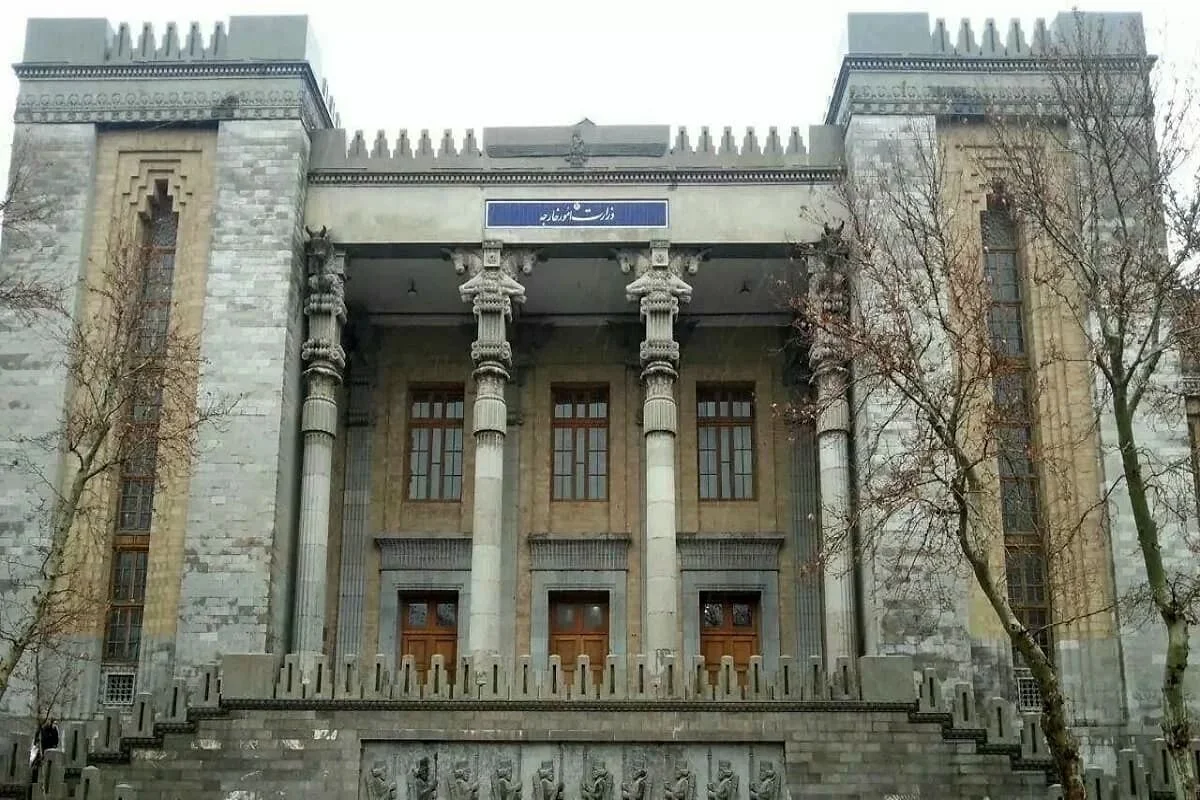
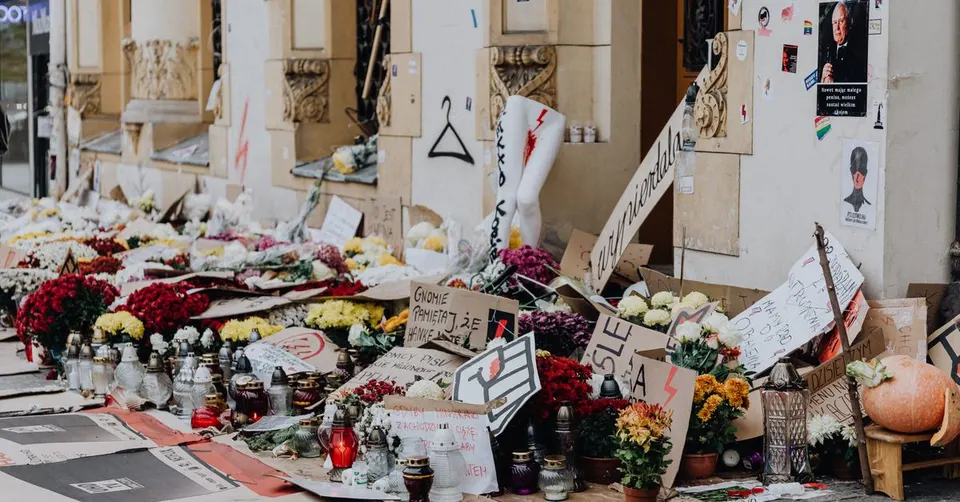
Despite the cooling markets, the official political atmosphere in Tehran remains charged. Iran’s Foreign Ministry officially marked the second anniversary of the assassination of Ismail Haniyeh, the former political leader of Hamas. State media reports indicate that the government is using this milestone to reiterate its demands for international action against what it terms Israeli 'impunity.' This symbolic observance serves as a reminder of the deep-seated regional grievances that continue to underpin the current conflict, even as diplomatic channels remain active behind the scenes.
Adding a layer of complexity to this situation is a recent investigative report suggesting that Iranian planners had covertly devised strategies to widen the regional conflict using proxies. According to these claims, the goal was to significantly raise the cost of any potential American military action during the Trump administration. This 'proxy' strategy remains a central pillar of regional security dynamics, and while the current 'truce' or pause in strikes is holding, the underlying infrastructure of these regional alliances ensures that the potential for rapid escalation remains a permanent fixture of the geopolitical landscape.
Global Markets: The $2 Trillion AI Shakeout
On the global stage, a massive correction is underway in the technology sector, described by analysts as a '$2 trillion AI shakeout.' Shares of industry titans like Nvidia and Oracle have seen significant volatility, with some plunging over the past three months as investors begin to question the immediate profitability of massive AI infrastructure spending. This shift has prompted comparisons to the dot-com bubble of the early 2000s, where hyper-inflated expectations eventually met the reality of slower-than-expected commercial adoption. For the average investor, this represents a pivot from 'blind growth' to a 'show me the money' phase, where companies must prove their AI investments are generating actual revenue.
This global tech volatility has indirect but tangible effects on the Iranian market, particularly through the lens of cryptocurrency and risk appetite. Bitcoin remains trapped in a tight range between $62,280 and $65,000, reflecting a broader uncertainty in global liquidity. As tech stocks underperform, some capital is rotating into more traditional value plays, while others are staying on the sidelines. For Iranian tech enthusiasts and crypto traders, this means that the era of 'easy gains' in AI-adjacent tokens or hardware-linked stocks may be pausing, requiring a more nuanced and defensive investment strategy in the coming months.
A Surprising Pivot in US Health Policy
In a move that has stunned political observers in Washington, US Health Secretary Robert F. Kennedy Jr. has issued a public call for American families to vaccinate their children against measles. This is a dramatic shift for Kennedy, who has spent decades as a leading skeptic of the MMR (measles, mumps, and rubella) vaccine. The reversal comes as the United States faces a surge in measles infections, reaching numbers not seen in over 35 years. Kennedy’s new stance suggests that the responsibilities of governing and the reality of a public health crisis are forcing a more pragmatic approach from the administration’s most controversial figures.
What this means for the broader political landscape is a potential softening of some of the more radical policy proposals previously associated with the administration. If a figure as committed to his previous views as RFK Jr. can pivot on a core issue like vaccination due to public health necessity, it suggests that other high-stakes files—including foreign policy and trade—may also be subject to more traditional 'realpolitik' than the campaign rhetoric suggested. This development is being watched closely by international observers as a signal of how the current US administration will handle crisis management versus ideological purity.
Frequently Asked Questions
Why is the price of gold and USD falling in Tehran despite regional tensions?
What is the significance of the second anniversary of Ismail Haniyeh's martyrdom?
How does the global AI stock shakeout affect Iranian investors?
The Strategic Chokepoint: Why the Strait of Hormuz Matters
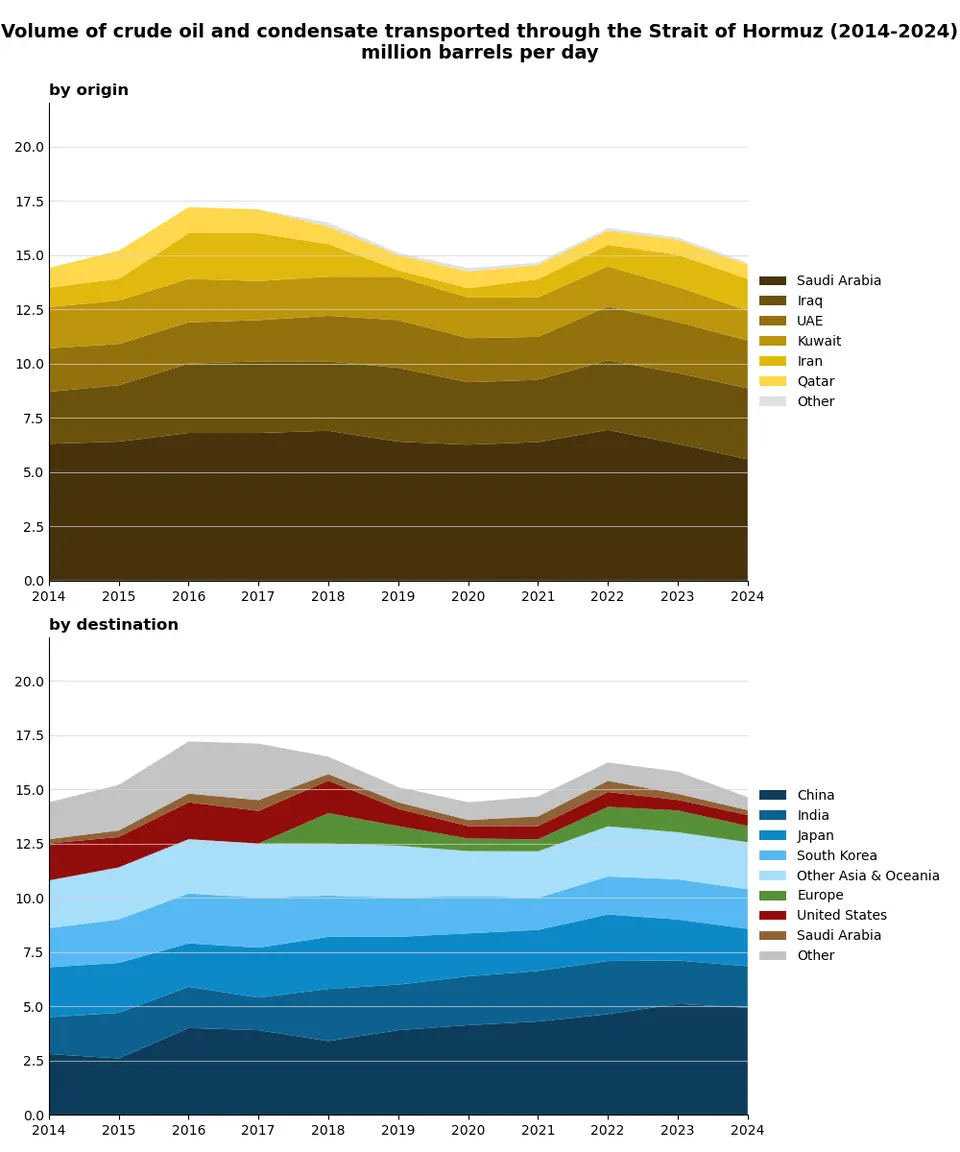
The Strait of Hormuz is a narrow waterway that links the Persian Gulf with the Gulf of Oman and the broader Indian Ocean. At its narrowest point it is only about 21 nautical miles (39 km) wide, yet it serves as the maritime gateway for roughly a fifth of the world’s oil consumption. In 2023, more than 20 million barrels of crude passed through the strait each day, making it a critical artery for energy‑dependent economies from Asia to Europe.
Because so much oil – as well as liquefied natural gas (LNG) and petrochemical products – relies on this route, any threat to the strait’s security can ripple through global markets. Historical flashpoints include the 1980s “Tanker War” between Iran and Iraq, the 2011 seizure of the British vessel Stena Impero by Iranian forces, and the 2019 attacks on oil tankers that prompted a brief surge in oil prices. Each incident illustrates how geopolitical tension can translate into price volatility, prompting traders to hedge with commodities like gold or to shift to alternative routes such as the Cape of Good Hope.
The strait’s importance also shapes diplomatic negotiations. Recent talks between Iran and Oman aim to create a “neutral” corridor that could reduce the risk of military confrontations, while the United States maintains a naval presence to ensure freedom of navigation. Analysts watch these developments closely because even the hint of a blockade can trigger a spike in the USD/IRR exchange rate, affect Tehran’s stock market, and influence the price of gold, which often rises as investors seek safe‑haven assets.
Understanding the Strait of Hormuz therefore provides a lens into how a single geographic bottleneck can affect everything from regional politics to the price of a Nvidia share on Wall Street. When the strait is calm, oil flows smoothly and markets remain stable; when tension rises, the shockwaves are felt worldwide.