Tehran Snubs Trump’s Talk Claims as Oil Hits 3-Week Low; AstraZeneca Eyes $400bn Megadeal
تکذیب مذاکره با ترامپ توسط تهران همزمان با سقوط قیمت نفت؛ زلزله ۴۰۰ میلیارد دلاری در صنعت دارو
Iran has officially denied Donald Trump’s claims of scheduled diplomatic talks, even as oil prices retreat to a three-week low following a temporary de-escalation in regional tensions. Meanwhile, the global pharmaceutical landscape faces a massive shift as AstraZeneca explores a historic $400 billion merger with Bristol Myers Squibb.
At time of publishing
USD
192,400
Toman
Gold 18K
18.38M
Toman / gram
Bitcoin
$62,711
US Dollar
Tether
192,196.633
Toman
The Great Denial: Tehran Rebuffs Trump’s Monday Meeting Claim
In a sharp contradiction to the narrative emerging from Washington, Iranian officials have flatly denied President Donald Trump’s assertion that diplomatic talks were scheduled to begin this Monday. A spokesperson for the Iranian government stated that there are no plans to receive or send any delegations, dismissing the U.S. President's claims as unfounded. While the official channel remains frozen, reports suggest that Tehran is instead focusing its diplomatic energy on Oman, specifically regarding access and security in the Strait of Hormuz. This move indicates a preference for regional mediation over direct engagement with the Trump administration, which many analysts view as a strategic attempt to maintain leverage without appearing to capitulate to Western pressure. The internal atmosphere in Iran remains equally tense. State media reported on Monday the execution of two individuals, Omid Behzad and Pouria Safvat, on charges of espionage and cooperation with Israel. According to the judiciary’s news outlet, Mizan, the two were accused of providing coordinates of military and security sites to foreign intelligence. The timing of these executions, coinciding with heightened regional friction, is seen by human rights observers as a clear signal of the regime's resolve to suppress internal dissent and project an image of absolute control. By expanding the arena of confrontation through such domestic actions, Tehran continues to signal that it will not be easily swayed by the shifting rhetoric of the White House.
Oil Slides as War Fever Breaks—For Now
Global energy markets reacted swiftly to the perceived de-escalation in the U.S.-Iran standoff, with oil prices falling to a three-week low on Monday. The retreat follows Donald Trump’s decision to call off a planned retaliatory attack, a move that provided much-needed breathing room for investors who had been pricing in a significant supply disruption. However, the relief may be temporary; while the immediate threat of a direct kinetic strike has receded, the underlying structural tensions in the Middle East remain unresolved. For the Iranian economy, which relies heavily on shadow-market oil exports, this price drop complicates a fiscal landscape already battered by sanctions and high inflation. In the domestic currency market, the Iranian Toman showed slight weakness despite the cooling of war rhetoric. The USD sell rate rose from 191,700 to 192,400 Toman, marking a 0.4% increase over the last 24 hours. Gold prices followed a similar upward trajectory, with 18-karat gold rising from 18,322,637 to 18,375,732 Toman per gram (+0.3%), and the Emami gold coin climbing from 184,000,000 to 185,000,000 Toman (+0.5%). This persistent rise in currency and gold prices, even in the face of better-than-expected geopolitical news, suggests that the Iranian public remains deeply skeptical of long-term stability, preferring the safety of hard assets over the local currency.
AstraZeneca’s $400 Billion Gambit: A New Titan in Oncology
Beyond the geopolitical friction of the Middle East, the corporate world is witnessing what could be one of the largest mergers in history. AstraZeneca, the UK’s biggest pharmaceutical firm, is reportedly in advanced discussions to acquire the American cancer-drug developer Bristol Myers Squibb (BMS). If finalized, the deal would create a pharmaceutical behemoth valued at nearly $400 billion, ranking as the fourth-largest drugmaker globally. Pascal Soriot, AstraZeneca’s long-time CEO, appears to be doubling down on the oncology market, where BMS holds a dominant position with its specialized cancer treatments. This move is not just about size; it is a strategic play to consolidate research and development pipelines at a time when the cost of bringing new drugs to market is skyrocketing. For global markets, this potential merger represents a massive vote of confidence in the healthcare sector’s resilience. However, such a consolidation of power also raises questions about competition and drug pricing. Regulators in both the U.S. and the UK are expected to scrutinize the deal closely to ensure it doesn't stifle innovation or lead to higher costs for patients. For investors, the news has injected a dose of volatility into the FTSE 100 and NYSE, as traders weigh the benefits of increased market share against the massive debt load required to finance such a colossal acquisition.
The Yield Desert: Bitcoin’s Arbitrage Era Fades
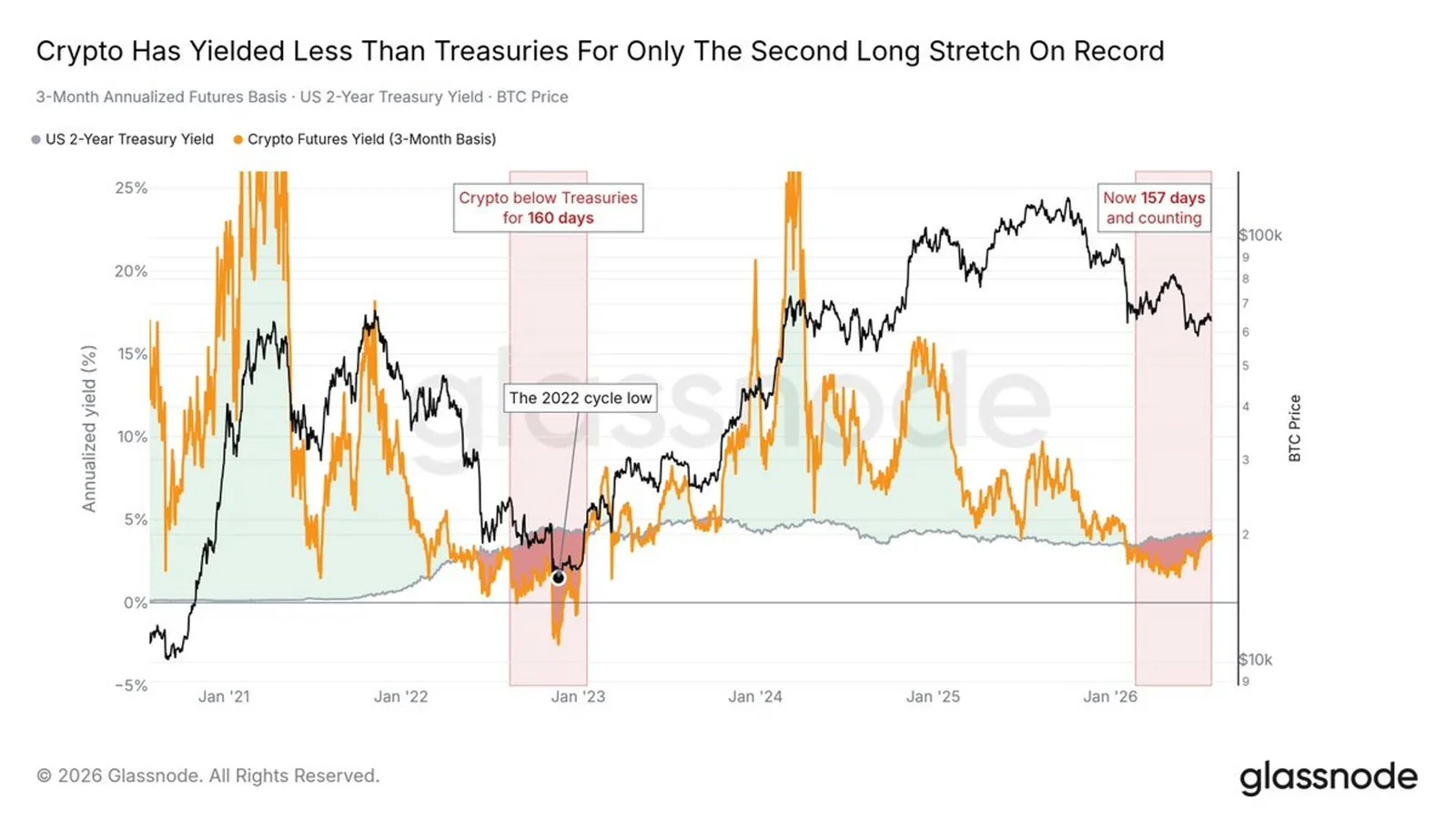
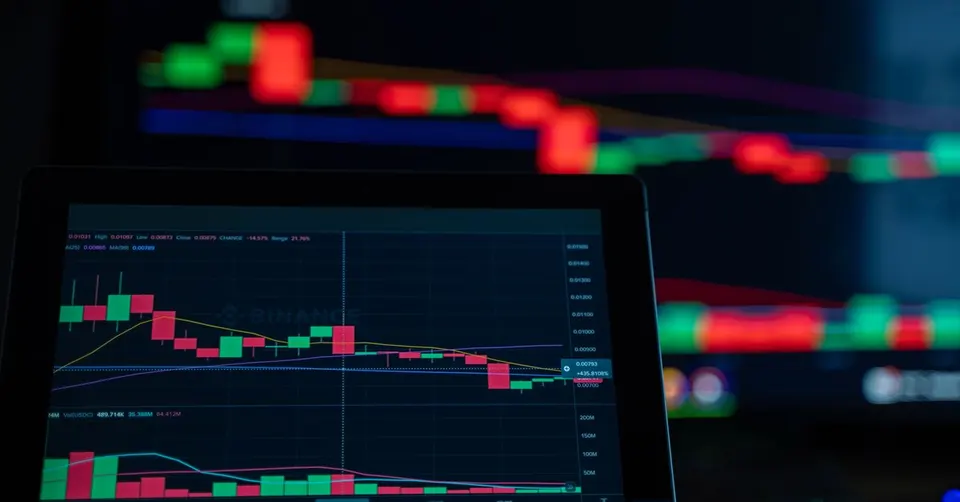
In the cryptocurrency space, the narrative is shifting from explosive growth to institutional maturity—and with it, the disappearance of easy profits. Bitcoin (BTC) is currently trading at $62,711, with analysts noting that the recent sell-off from the $65,000 level was driven more by thin trading volumes than by panic selling. More significantly, the yield on Bitcoin futures has effectively collapsed. Once offering returns of over 20%, these yields have now fallen below those of two-year U.S. Treasury notes. This signifies that the "basis trade"—a favorite strategy for institutional arbitrageurs—is no longer the cash cow it once was, reflecting a market that is becoming increasingly efficient and integrated with traditional finance. While Bitcoin remains the dominant asset, the broader ecosystem is facing new regulatory hurdles. In the UK, the parliamentary standards watchdog has opened an investigation into Reform UK’s Richard Tice over a potential failure to declare interests, adding a layer of political drama to the financial landscape. Meanwhile, technical risks persist; reports indicate that losses associated with Coldcard hardware wallet vulnerabilities are nearing $114 million. For the average investor, this environment demands a transition from speculative gambling to sophisticated risk management, as the "easy money" era of crypto yields appears to be reaching its conclusion.
Frequently Asked Questions
Why is the Iranian Toman still weakening if oil prices and war risks are down?
What does the collapse of Bitcoin futures yields mean for regular investors?
How would an AstraZeneca and Bristol Myers Squibb merger affect global healthcare?
Geopolitics and the Global Oil Market: The Strait of Hormuz
Geopolitical events, particularly in energy-rich and strategically vital regions, exert a profound influence on global oil prices. The news of diplomatic tensions or potential shifts in international relations, such as those between Iran and the U.S., can immediately trigger market reactions. These reactions stem from concerns about supply disruptions, which directly impact the delicate balance of global oil supply and demand, leading to significant price volatility.
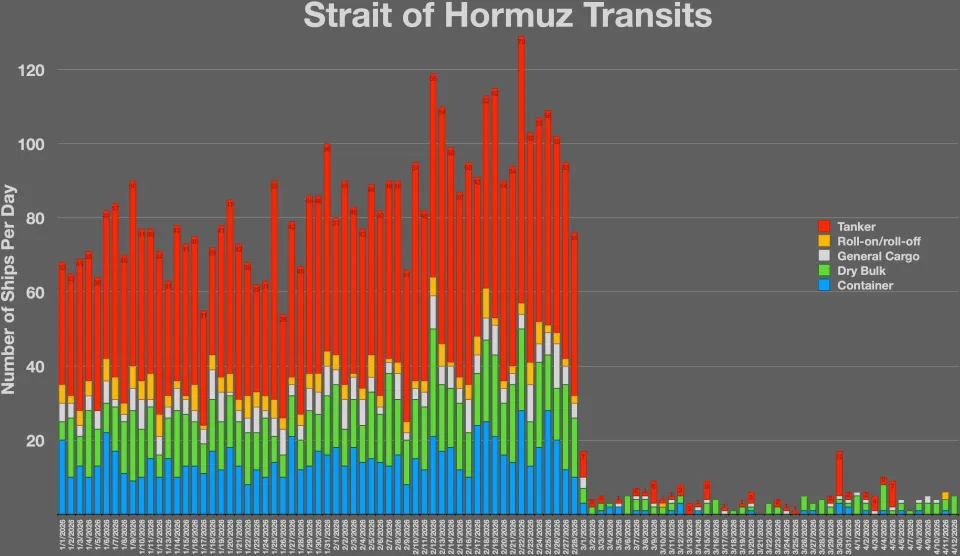
At the heart of many such concerns lies the Strait of Hormuz, a narrow waterway connecting the Persian Gulf to the open ocean. This strait is arguably the world's most critical oil transit choke point, through which a substantial portion of the world's seaborne oil — including crude oil and refined petroleum products — passes daily. Its strategic importance means that any perceived threat to its security or freedom of navigation can send shockwaves through international energy markets.
When geopolitical tensions escalate in the region, for instance, due to heightened rhetoric or military posturing, the risk of disruption to oil flows through the Strait of Hormuz increases. Traders and investors react by factoring in a 'risk premium' into oil prices, pushing them higher. Conversely, any indication of de-escalation or diplomatic engagement, even if ultimately unsuccessful, can lead to a temporary reduction in this risk premium, potentially causing oil prices to fall as market fears subside, as seen in the headline's mention of an oil price drop amidst talks.
Understanding the Strait of Hormuz's role is crucial for grasping why events in the Middle East so frequently dominate energy headlines. It illustrates how international politics and regional stability are inextricably linked to global economic stability and the price consumers pay at the pump. The interplay between diplomacy, security, and energy infrastructure in this region remains a constant, high-stakes factor in the world economy.