Trump Claims Imminent Iran Talks as Tehran Touts Oman Shipping Deal; Oil Prices Plunge 5%
ادعای ترامپ درباره مذاکرات فوری با ایران؛ تهران از توافق کشتیرانی با عمان خبر داد
Oil markets are in shock after Donald Trump canceled planned strikes on Iran, claiming a peace deal is near. While Tehran denies direct talks with Washington, it has announced a strategic shipping agreement with Oman to bypass Strait of Hormuz tensions.
At time of publishing
USD
192,300
Toman
Gold 18K
18.37M
Toman / gram
Bitcoin
$62,580
US Dollar
Tether
193,099
Toman
The Trump-Tehran Paradox: Diplomacy or Deflection?
In a whirlwind of geopolitical signaling, Donald Trump has claimed that high-level negotiations with Iran could resume as early as today. The U.S. President stated he called off what would have been the largest military strike since World War II after a last-minute intervention by Saudi Arabia’s Crown Prince Mohammed bin Salman. Trump’s narrative suggests that the cancellation is strictly conditional on Tehran reaching a "rapid, complete, and total" deal to end its nuclear threat and reopen the Strait of Hormuz. This rhetorical pivot has immediately shifted the global focus from imminent kinetic conflict to the potential for a diplomatic breakthrough, though the terms remains characteristically vague and demanding.
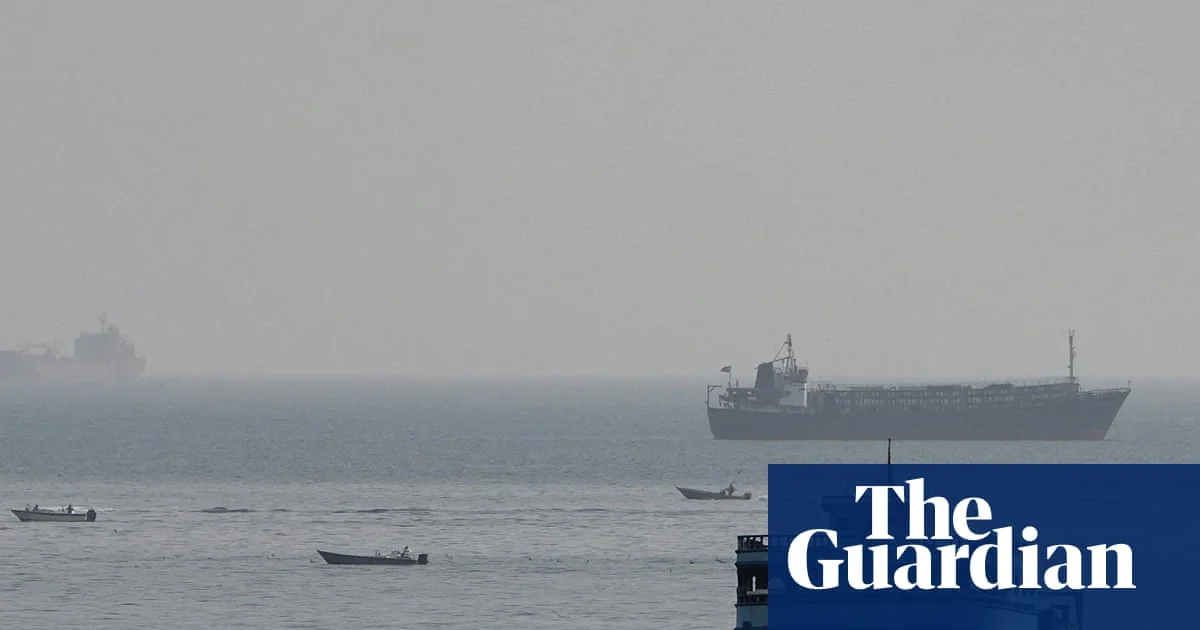
However, the view from Tehran is markedly different and more cautious. Iranian Foreign Ministry spokesperson Esmaeil Baqaei confirmed that while Iran is indeed nearing a deal with Oman to establish a temporary shipping route through the Strait of Hormuz, there are no plans to meet with U.S. delegations. Tehran is framing the situation as a regional coordination effort rather than a response to American pressure. By touting the Oman deal, Iran aims to show it can manage maritime security with its neighbors, effectively bypassing the need for a direct American security umbrella or the specific diplomatic concessions Trump is currently demanding in his social media posts.
Oil Markets in Freefall: The "Peace Dividend"
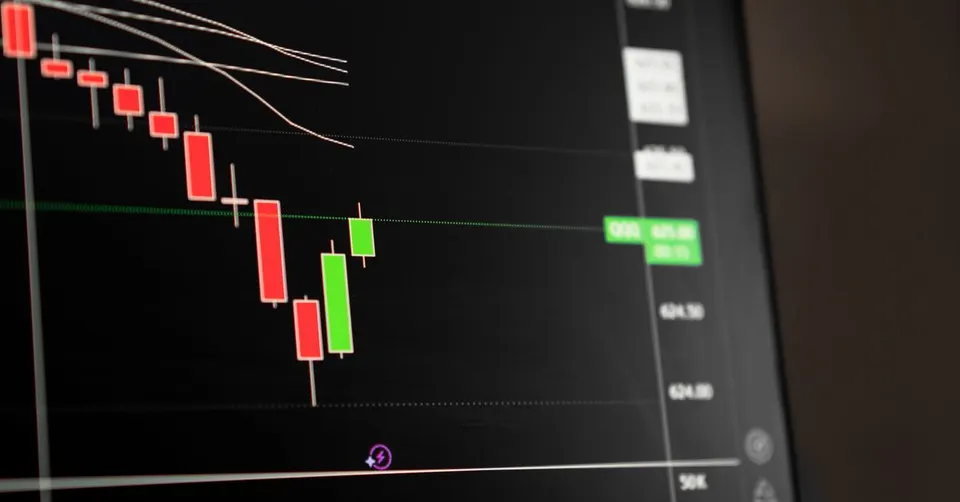
The immediate consequence of this geopolitical de-escalation has been a dramatic sell-off in energy markets. Brent crude prices plunged by 5%, dropping to $83.47 a barrel after previously touching lows of $81.55. Investors, who had priced in a significant "war premium" over the weekend, are now liquidating positions as the threat of a direct U.S.-Iran clash recedes. This 5% drop represents one of the sharpest single-day declines in recent months, reflecting a market that is highly sensitive to the possibility of a supply disruption in the Persian Gulf. For the global economy, this "peace dividend" could provide a temporary reprieve from inflationary pressures, though the volatility remains extreme.
European stock markets and government bonds rallied in tandem with the falling oil prices. The logic is straightforward: lower energy costs reduce the burden on industrial production and consumer spending, potentially giving central banks more room to maneuver regarding interest rates. However, analysts warn that this rally is built on the fragile foundation of Trump’s claims. If the promised talks fail to materialize or if Tehran’s refusal to engage with Washington leads to a renewed military threat, the market reversal could be just as swift and violent as today’s drop. For now, the sentiment is one of cautious relief, as the specter of a regional war appears to have been delayed.
Corporate Giants and Toman’s Steady Climb
While global eyes are on the Persian Gulf, the corporate world is witnessing its own seismic shifts. Reports of a potential merger between pharmaceutical titans AstraZeneca and Bristol Myers Squibb have sent shockwaves through the healthcare sector. While analysts have labeled the potential tie-up as "odd" due to overlapping portfolios, the market reaction has been swift, with Bristol Myers stock jumping as investors weigh the creation of a cancer-drug behemoth. This move suggests that even in a high-interest-rate environment, the appetite for massive consolidation remains strong as companies seek to dominate specialized medical markets.
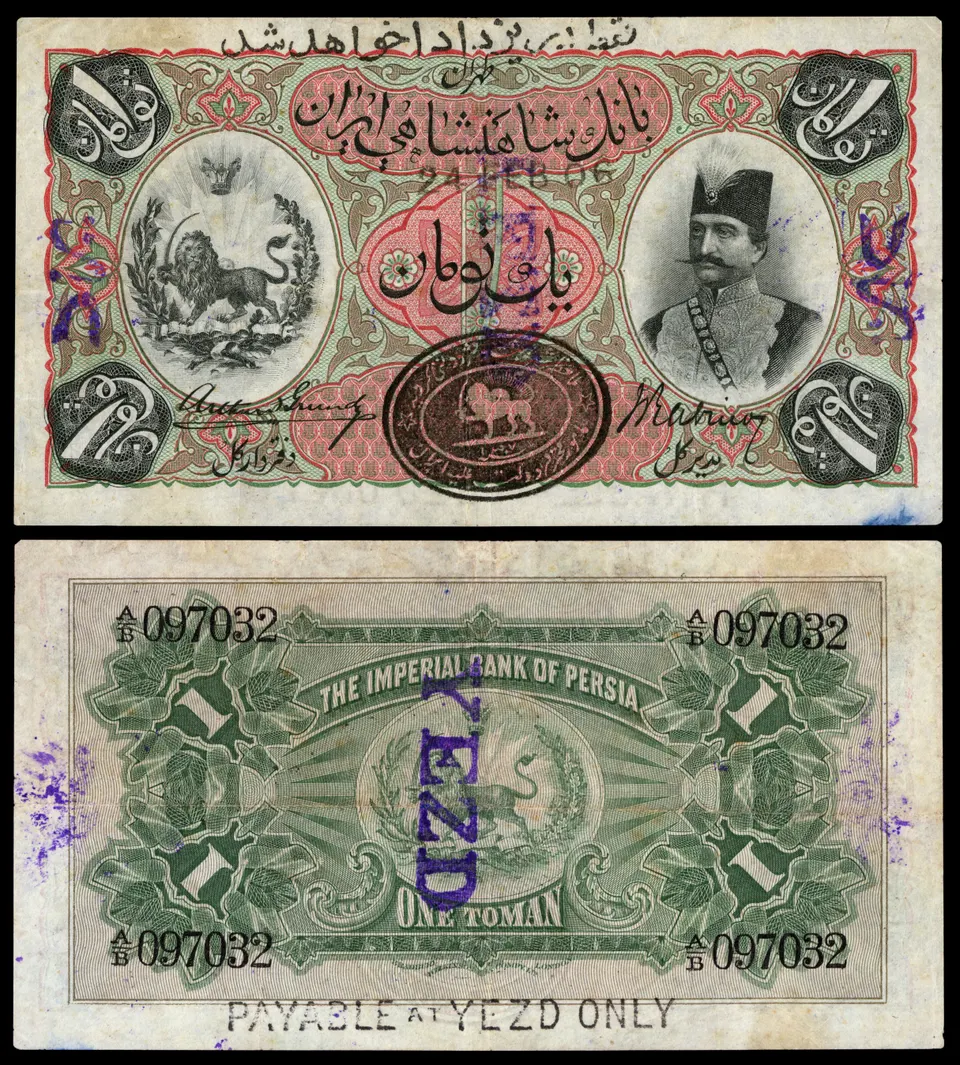
In the local Iranian market, the currency and gold sectors are showing a modest upward trend despite the global oil crash. The USD/IRR rate moved from 191,700 to 192,300 (+0.3%), while the Emami gold coin rose from 184,000,000 to 185,000,000 Toman (+0.5%). This slight increase in the face of "peace news" suggests that local traders remain skeptical of the longevity of the de-escalation. Historically, the Toman often reacts to domestic liquidity and long-term sanctions expectations rather than short-term diplomatic tweets. The market is currently in a "wait-and-see" mode, balancing the hope of a shipping deal with Oman against the reality of continued economic isolation.
Frequently Asked Questions
Why did oil prices drop if Iran denied talks with the US?
What is the significance of the Iran-Oman shipping deal?
Why is the Toman rising (+0.3%) despite the news of de-escalation?
The Strait of Hormuz: Geopolitics and Global Oil Prices
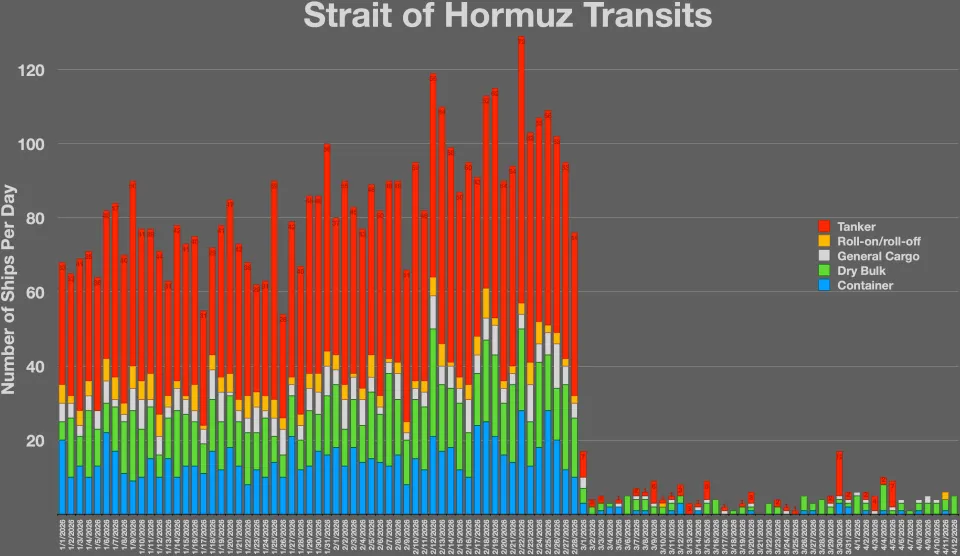
The Strait of Hormuz, a narrow waterway connecting the Persian Gulf to the open ocean, is arguably the most critical oil transit chokepoint in the world. Annually, a significant portion of the world's seaborne crude oil and petroleum products passes through this strait. Its strategic importance stems from its geography: it's bordered by Iran to the north and Oman and the United Arab Emirates to the south, making it highly susceptible to regional geopolitical dynamics. Any disruption or even the threat of disruption in this vital passage can send shockwaves through global energy markets.
Geopolitical tensions, particularly involving Iran, have historically had a profound and immediate impact on oil prices. When diplomatic relations sour, or there are threats to shipping security in the Strait, the perceived risk to global oil supply escalates. Traders and investors react to this uncertainty by bidding up oil prices, anticipating potential supply shortages. This is because a significant portion of the world's oil supply could be jeopardized if the Strait were to be partially or fully blocked, leading to a scramble for alternative sources and higher costs.
Conversely, signs of de-escalation, diplomatic progress, or agreements that enhance maritime security in the region often lead to a decrease in oil prices. The news of imminent talks or a shipping deal, as mentioned in the headline, signals a reduction in perceived risk. When the market believes that the flow of oil through the Strait of Hormuz is more secure, the risk premium built into oil prices diminishes. This increased confidence in stable supply can cause prices to fall, reflecting a more balanced supply-demand outlook rather than one dominated by geopolitical fear. This mechanism highlights how deeply intertwined geopolitics and global energy markets truly are, with even subtle shifts in diplomatic winds capable of moving billions of dollars in commodity markets.