Trump’s 'Forever War' Trap and the Danube’s Energy Blast: Arzbin Hourly Briefing
تله «جنگ ابدی» ترامپ و انفجار انرژی در دانوب؛ واکاوی تحولات بازار و سیاست در گزارش ساعتی
Tehran dismisses Donald Trump’s claims of imminent negotiations as media outlets warn of a 'forever war' trap, while a worsening energy crisis in Europe forces Romania to blast the Danube to save its nuclear reactors.
At time of publishing
USD
192,000
Toman
Gold 18K
18.36M
Toman / gram
Bitcoin
$63,684
US Dollar
Tether
192,777
Toman
The Diplomacy Mirage: Trump’s 'Forever War' and Tehran’s Rejection
As of Monday evening in Tehran, the geopolitical landscape remains dominated by a familiar yet high-stakes dance between Washington and Tehran. Despite Donald Trump’s public assertions that new talks to wind down the conflict would begin today, August 3, Iranian officials have been quick to call what they term a 'bluff.' According to reports from France 24 and IRNA, the Iranian government has explicitly denied entering into direct negotiations with the U.S. administration, instead clarifying that their only active diplomatic channel regarding maritime security and regional tensions is currently through Oman. This disconnect highlights a growing skepticism in Tehran toward Trump’s 'maximum pressure' tactics, which British media outlets are now characterizing as a 'forever war'—a conflict the U.S. can neither win nor easily exit.
For the average observer in the Iranian markets, this diplomatic friction translates directly into currency volatility. The USD/IRR exchange rate moved from 191,700 to 192,000 (+0.2%) over the last 24 hours, reflecting a cautious stance among traders who are weary of the 'negotiation' headlines that rarely yield concrete results. While Trump has paused threatened strikes to allow for these alleged talks, the lack of a verified partner across the table suggests that the reprieve may be temporary. This cycle of threats followed by claims of diplomacy is creating a 'credibility gap' that keeps the Toman under pressure, as the market remains hedged against the possibility of renewed escalations in the Strait of Hormuz.

Atomic Thirst: Romania Blasts the Danube Amid Energy Crisis
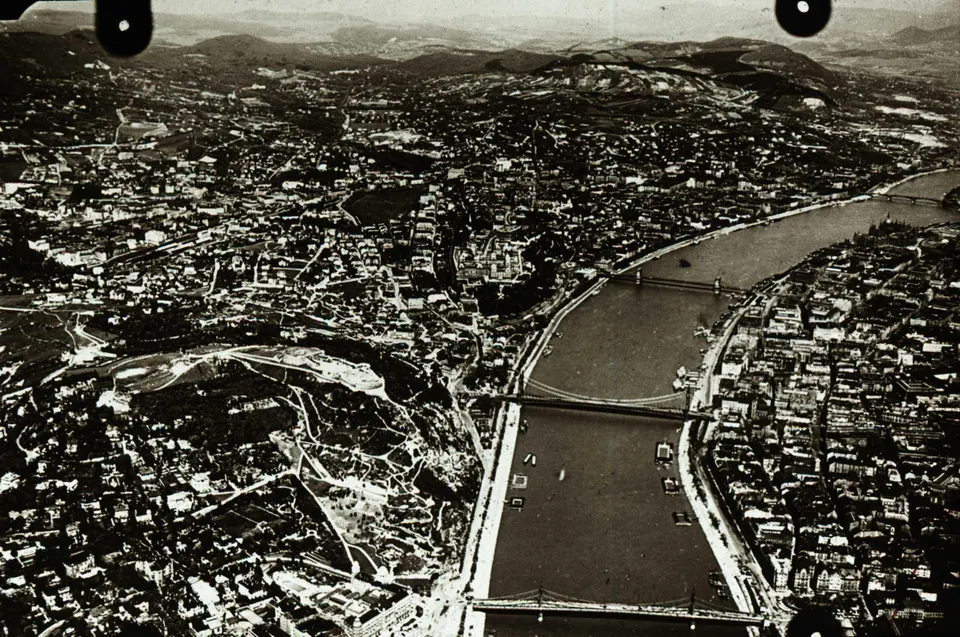
The climate crisis is manifesting in a literal explosion of activity in Eastern Europe. Romanian naval forces have been forced to carry out controlled underwater explosions to divert water from the drought-hit Danube River toward the country’s last operational nuclear reactor. With record-low water levels threatening the cooling systems of atomic plants in both Romania and Hungary, the region is facing an unprecedented energy security threat. This is not merely an environmental story; it is a critical economic one. As the Danube’s flow hits historic lows, the resulting reduction in nuclear power output is driving up electricity costs and putting further strain on European natural gas reserves, even as Dutch TTF futures dipped slightly today following the temporary cooling of U.S.-Iran tensions.
This development serves as a stark reminder of the fragility of global infrastructure in the face of extreme weather. For investors, the 'energy transition' is proving to be a double-edged sword; while moving away from fossil fuels is the long-term goal, the existing low-carbon infrastructure—like nuclear power—is increasingly vulnerable to the very climate shifts it is meant to mitigate. The situation on the Danube is a precursor to what many analysts expect to see across the Northern Hemisphere this month: a 'heatwave tax' on industrial production and consumer spending as energy grids struggle to keep up with cooling demands.
The Sword of Public Opinion: Alan Jones and the Trial of Influence
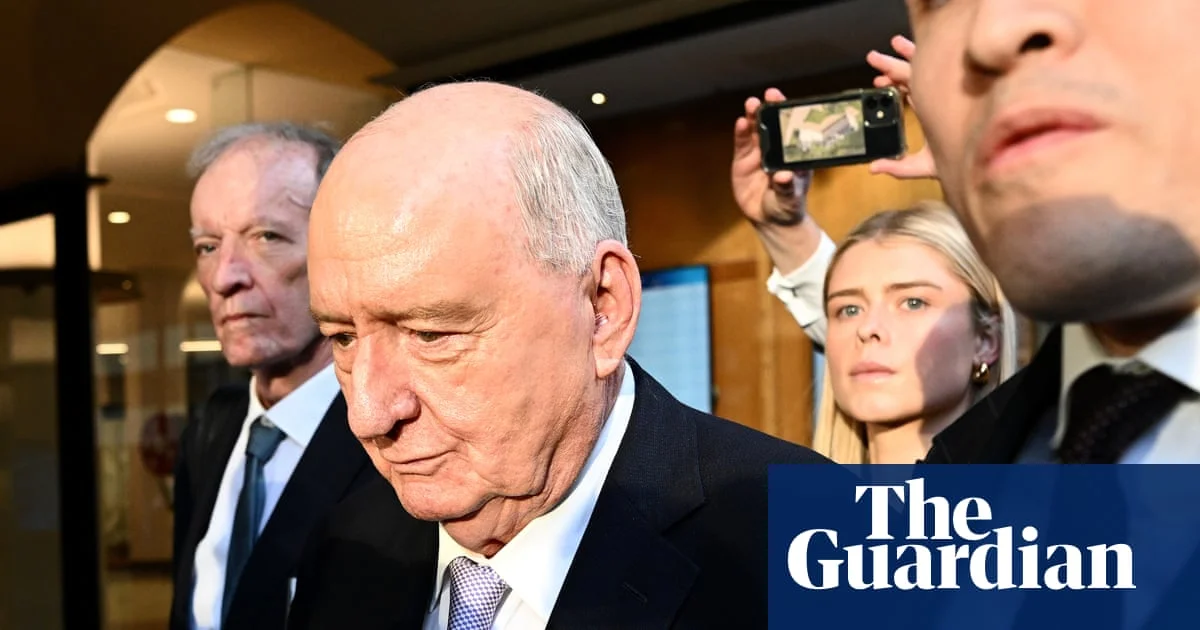
In a story that has captivated international media, the legendary and often controversial Australian broadcaster Alan Jones is finding himself on the other side of the 'bully pulpit.' After decades of wielding immense power over public opinion and having the ears of prime ministers, Jones is now on trial, facing allegations that threaten to dismantle his legacy. His legal strategy, focusing on undermining the credibility of his accusers, highlights a broader global theme: the accountability of powerful media figures in the digital age. While this may seem distant from the streets of Tehran, the trial resonates with a global audience increasingly concerned with how information is brokered and how 'untouchable' figures are eventually brought to justice.
This trial is a case study in the shifting nature of power. For years, Jones was the 'kingmaker' of Australian politics, proving that a loud enough voice could dictate policy. However, the current proceedings suggest that the era of the singular, unchecked media titan may be closing. For readers, this serves as a reminder that institutional trust is at an all-time low, and the mechanisms of justice are increasingly being used to audit those who once considered themselves above the fray. Whether in Sydney or Tehran, the appetite for transparency and the fall of 'untouchables' remains a potent social force.
Market Shifts: JPMorgan Warns of Tech Stock Fatigue
On the financial front, JPMorgan strategists have issued a sobering outlook for the remainder of 2026, suggesting that the era of 'hyperscaler' dominance—the massive tech giants that have driven market gains for years—may be taking a back seat. Instead, the bank is pivoting its preference toward semiconductor stocks and non-U.S. shares. This shift is driven by the realization that the massive capital expenditures required for AI infrastructure are beginning to weigh on the margins of tech behemoths, while the actual 'picks and shovels' of the industry (the chips) remain in high demand. In the local Iranian context, this global rotation matters because it dictates the 'risk-on' or 'risk-off' sentiment that ultimately flows into emerging markets and alternative assets like gold.
Speaking of gold, the Emami coin rose from 184,000,000 to 185,000,000 (+0.5%) today, outperforming the modest gain in the USD. This suggests that local investors are seeking the safety of hard assets as they process the mixed signals from the U.S. and the cooling tech market. With the gold ounce currently trading at $4,033.50, the metal remains the ultimate hedge against both geopolitical 'forever wars' and the potential for a tech-led market correction. As we move deeper into the third quarter of 2026, the strategy for many is clear: diversify away from the hype and into the tangible.
Frequently Asked Questions
Why is Romania using explosives in the Danube river?
What is the 'Forever War' narrative regarding US-Iran relations in August 2026?
Why are JPMorgan strategists advising against 'hyperscaler' tech stocks now?
The Interplay of Economic Sanctions and Geopolitical Risk on National Currencies and Trade
Economic sanctions and geopolitical risks are powerful forces that can significantly destabilize a nation's economy, with profound implications for its currency and international trade. Economic sanctions involve restrictions on trade, finance, or other economic activities imposed by one or more countries against another, often to achieve political goals. Geopolitical risk, on the other hand, refers to the potential for political events, conflicts, or instability in one region to have far-reaching economic consequences globally or for specific nations. Both create an environment of uncertainty that deters investment and disrupts normal economic functions.
For countries under stringent sanctions, such as Iran, the impact on the national currency is often severe. Sanctions typically restrict a nation's ability to export key commodities (like oil), access international banking systems, or attract foreign investment. This drastically reduces the inflow of foreign currency (e.g., U.S. dollars), which is essential for imports and maintaining the value of the domestic currency. As the supply of foreign currency dwindles and demand remains high, the national currency (like the Iranian Rial) depreciates sharply against major international currencies, leading to rampant inflation and a decline in purchasing power for ordinary citizens. This can also drive people towards alternative assets, such as gold coins (like the Emami coin in Iran), as a hedge against currency devaluation.
Beyond currency, sanctions and geopolitical tensions severely impede international trade. Restrictions on shipping, banking, and insurance make it difficult and costly for businesses to import essential goods or export their products. For instance, the security of critical maritime routes like the Strait of Hormuz, a vital choke point for global oil shipments, becomes paramount. Any perceived threat or actual disruption in such areas due to geopolitical tensions can send shockwaves through global energy markets, increasing shipping costs and insurance premiums, further isolating sanctioned economies and raising prices for consumers worldwide.
Ultimately, the combination of economic sanctions and heightened geopolitical risk creates a vicious cycle. Currency depreciation fuels inflation, making imports more expensive and eroding savings. Trade restrictions stifle economic growth and innovation. This environment of sustained pressure not only impacts the sanctioned state's ability to engage with the global economy but also creates significant domestic challenges, affecting everything from daily necessities to long-term economic planning.