JPMorgan’s FIFA Fiasco and the 191k Toman: Global Markets Braced for Tariff Turmoil
جنجال جدید جیپیمورگان در فیفا و ثبات دلار ۱۹۱ هزار تومانی؛ سایه سنگین تعرفههای ترامپ بر اقتصاد جهانی
JPMorgan faces a fresh PR nightmare over its ties to FIFA’s latest crisis, while 25 US states move to block Trump’s aggressive new tariffs. Meanwhile, the Iranian Toman remains steady at 191,900 as cyber-tensions between Tehran and Washington reach a boiling point.
At time of publishing
USD
191,900
Toman
Gold 18K
18.36M
Toman / gram
Bitcoin
$63,770
US Dollar
Tether
192,526
Toman
JPMorgan Entangled in New FIFA Crisis
JPMorgan Chase, the titan of Wall Street, finds itself once again at the center of a sporting controversy that threatens its reputation as a savvy institutional partner. Only a few years after the bank was forced to apologize for its role in the disastrous European Super League—a project that ignited a global fan revolt—it is now reportedly linked to a burgeoning meltdown within FIFA. While the specific financial mechanics of this latest "fiasco" are still coming to light, the optics suggest that the bank’s attempt to dominate the high-stakes world of sports finance is hitting significant roadblocks.
The bank had previously promised to learn from the Super League backlash, where it was accused of prioritizing corporate greed over the cultural heritage of football. However, its involvement in FIFA’s latest strategic shift suggests that the lure of billion-dollar broadcasting and tournament rights remains too strong to resist. For investors, this recurring theme of "reputational risk" is becoming a point of concern, as the bank's brand becomes synonymous with unpopular, top-down restructurings of global sports.
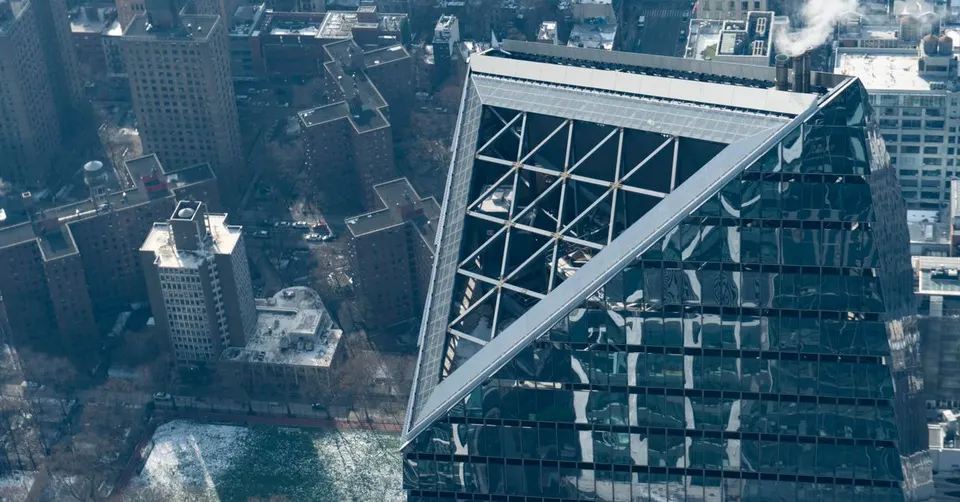
US States Revolt Against Trump’s Global Tariffs
A massive legal battle has erupted in the United States as 25 states have filed a joint lawsuit to block the Trump administration’s sweeping new tariffs. These duties, which impact dozens of trading partners, were officially justified as a measure to combat forced labor. However, the coalition of states argues that the President has drastically exceeded his legal authority, imposing broad economic measures under a thin humanitarian guise. The legal challenge seeks not only to halt the current tariffs but also to secure refunds for importers who have already been hit by the rising costs.
This domestic legal friction has immediate consequences for global markets. If the tariffs remain in place, they are expected to fuel domestic inflation in the US, potentially forcing the Federal Reserve to maintain higher interest rates for longer. For the Iranian market, this usually translates into a stronger US Dollar globally. Locally, the USD sell rate in Tehran is currently holding at 191,900 Toman, showing a 0.0% change over the last 24 hours. The stability suggests that while global news is volatile, the local market is in a "wait-and-see" mode regarding the outcome of these trade wars.
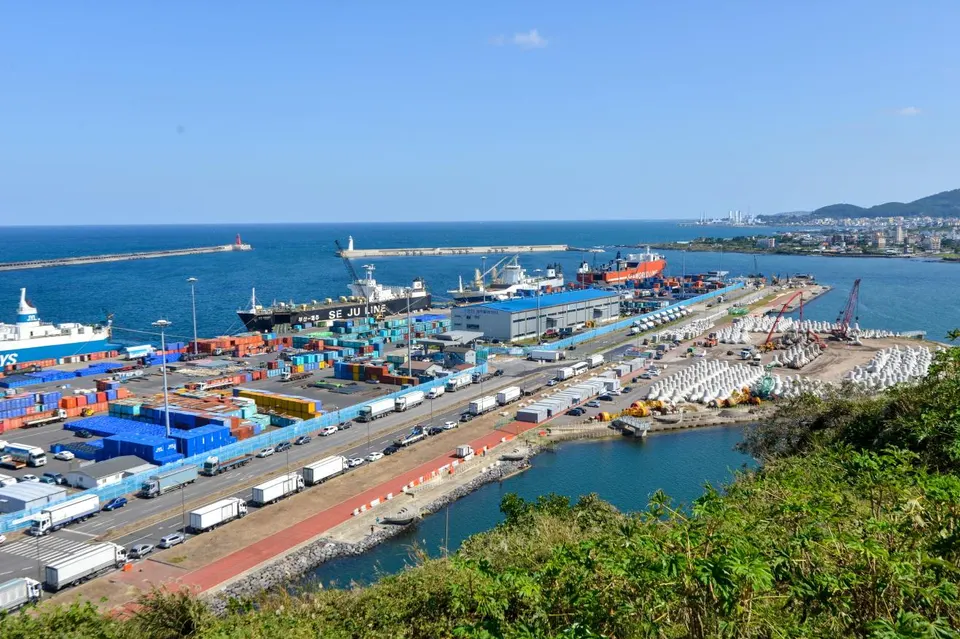
Cyber Tensions: The Water System 'Hack' Claims
Geopolitical tensions between Tehran and Washington have taken a digital turn following reports that water systems in seven US states may have been compromised by Iranian-linked hackers. While US President Donald Trump has publicly stated that Iran is not to blame for these specific disruptions, cyber experts interviewed by the BBC suggest otherwise. These experts claim the technical signatures of the attacks point toward state-sponsored actors from the region, creating a confusing discrepancy between the White House’s rhetoric and the findings of the intelligence and security community.
This development is particularly sensitive for the Iranian economy. Every time "cyber-warfare" or "infrastructure attacks" are mentioned in Western media, the risk of retaliatory sanctions or increased diplomatic isolation grows. Even without official confirmation, these claims create a risk premium in the currency markets. At the moment, gold prices in Iran remain relatively flat, with 18k gold at 18,357,264 Toman per gram, but any escalation in this cyber-narrative could quickly drive investors toward the safety of the Emami coin, which currently sits at 185,000,000 Toman.
AI Fraud Hits the Banking Sector
In a stark reminder of the risks associated with the rapid adoption of artificial intelligence, a Metro Bank customer is currently fighting for a £14,000 refund after falling victim to an AI-linked scam. The fraudsters reportedly used the AI chatbot 'Claude' to facilitate the theft, bypassing traditional security measures. This case highlights a growing vulnerability in the global financial system: while banks are using AI to detect fraud, criminals are using it with equal sophistication to commit it.
For the average consumer and saver, this story is a wake-up call regarding digital security. As AI tools become more capable of mimicking human interaction, the traditional "red flags" of phishing and social engineering are disappearing. This trend is likely to push more investors toward decentralized assets or physical commodities. In the crypto space, Bitcoin is currently trading at $63,770, as some see it as a hedge against the vulnerabilities of the traditional, centralized banking systems that are currently struggling to keep pace with AI-driven threats.

Frequently Asked Questions
Why is JPMorgan involved in a FIFA scandal?
How do the US state lawsuits against Trump tariffs affect the Toman?
What is the evidence for the alleged Iranian cyberattack on US water systems?
How was the AI chatbot Claude used in the Metro Bank fraud?
Understanding Tariffs: The Engine Behind Trade Wars
Tariffs are taxes imposed by a government on imported goods or services. By raising the price of foreign products, a tariff makes domestic alternatives comparatively cheaper, protecting local industries from external competition. The rate can be a fixed amount per unit or a percentage of the goods' value, and it is usually collected at the border before the product enters the domestic market. While tariffs can generate revenue and safeguard jobs, they also increase costs for consumers and can provoke retaliatory measures from trading partners.
In a trade war, countries use tariffs as a strategic weapon. When one nation raises tariffs on another's exports, the affected country often responds with its own tariffs, creating a tit‑for‑tat escalation. This spiral can shrink global trade volumes, disrupt supply chains, and push up prices worldwide. The 2018‑2020 U.S.–China trade dispute, for example, saw tariffs climb to over 20% on hundreds of billions of dollars of goods, prompting firms to relocate production and consumers to face higher prices for electronics and apparel.
Tariffs also have macro‑economic consequences. They can distort market signals, leading to inefficient allocation of resources, and they may trigger inflationary pressures as import‑dependent sectors face higher input costs. Moreover, tariffs can affect exchange rates; a country that imposes heavy tariffs may see its currency appreciate due to increased demand for its exports, while its trading partners might experience depreciation. Economists therefore monitor tariff announcements closely, as they can foreshadow shifts in currency markets, such as the USD/IRR movements projected for August 2026.
International institutions like the World Trade Organization (WTO) aim to limit the use of tariffs through negotiated agreements and dispute‑settlement mechanisms. When countries bypass these rules, they risk legal challenges—such as the lawsuit filed by former President Trump’s administration against alleged tariff violations—adding another layer of complexity to global trade dynamics. Understanding how tariffs work helps investors, policymakers, and ordinary citizens gauge the ripple effects of trade policy decisions on everything from gold prices in Tehran to the stability of water‑system cyber‑infrastructure.