BP Profits Double to $5.7bn as Iran Conflict Disrupts Global Energy; Gold Nears Record Highs
سود ۵.۷ میلیارد دلاری بیپی در پی تنشهای ایران؛ طلا در نزدیکی سقف تاریخی
Energy giant BP reports a massive profit surge as the Middle East crisis sends oil prices soaring, while global markets brace for a return to Trump-era trade tensions. In Tehran, gold prices edge higher as investors seek safety amid increasing regional and global instability.
At time of publishing
USD
191,900
Toman
Gold 18K
18.38M
Toman / gram
Bitcoin
$63,582
US Dollar
Tether
192,644
Toman
BP Profits Double as Regional Conflict Redraws Energy Maps
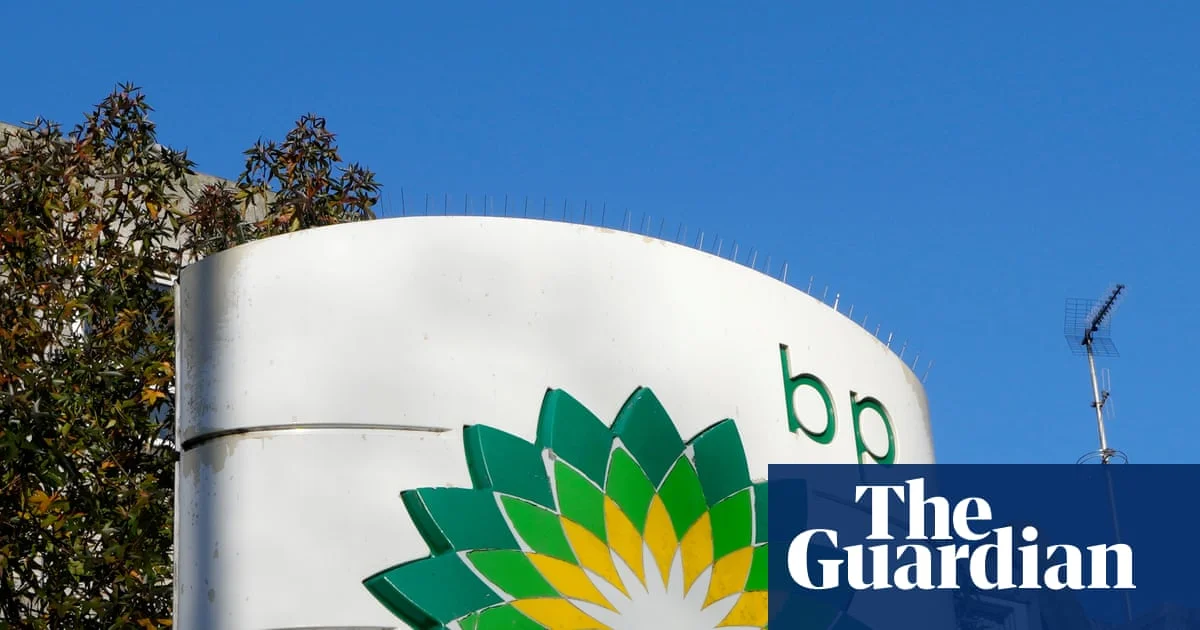
BP has reported a staggering $5.73 billion in quarterly profits, more than doubling its earnings from the previous quarter. This surge is directly attributed to the escalating conflict in the Middle East, specifically involving Iran, which has sent oil and gas prices to heights not seen since the early stages of the Ukraine war. As energy exports from the Gulf face persistent disruptions, the global supply-demand balance has tightened significantly, allowing oil majors like BP and Shell to capitalize on the resulting market volatility. The company’s highest profits since 2022 underscore how geopolitical instability has become a primary driver of corporate wealth in the energy sector.
While these corporations celebrate record-breaking balance sheets, the underlying cause—a regional war—continues to strain global economies and consumer wallets. For Iranian citizens, this paradox is particularly sharp: while the country’s geography dictates global energy prices, the domestic economy remains shackled by the very instability that drives these international profits. The "war premium" on oil is now a permanent fixture in global trading, reflecting a world where geopolitical risk is no longer a temporary spike but a structural reality that influences everything from inflation to currency stability.
Tanker Traffic Stalls Despite Trump’s Peace Overtures
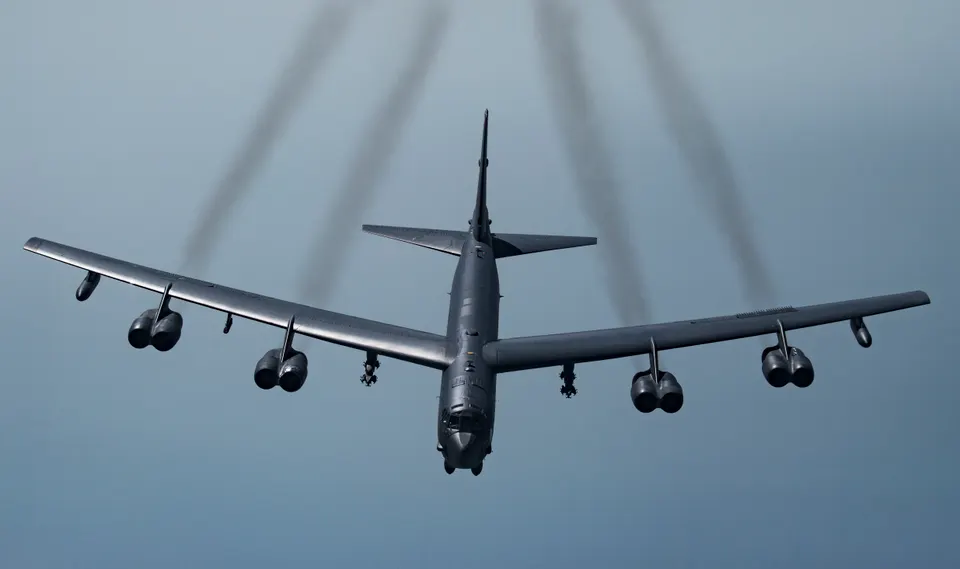
Despite recent rhetoric from Donald Trump regarding potential peace talks, the reality on the water tells a different story. Data from the Strait of Hormuz and the Bab el-Mandeb Strait shows that tanker traffic remains significantly subdued. On Monday, only three tankers crossed the Strait of Hormuz, a sharp decline from the seven recorded just a day prior. This suggests that maritime insurers and shipping companies remain deeply skeptical of any immediate de-escalation, choosing safety over the optimistic signaling coming from political camps. Most vessels that do cross are keeping their transponders active, indicating they are not yet resorting to "dark fleet" tactics, but the volume is far below normal levels.
The disconnect between political "peace talk" and industrial "risk management" is widening. For the Iranian economy, the restricted flow through these vital waterways means higher shipping costs and increased difficulty in bypassing sanctions. Even as Trump suggests a more transactional approach to regional stability, the physical infrastructure of trade remains paralyzed by the threat of drone strikes and naval interceptions. This logistical bottleneck is a primary reason why global fuel stocks are running low, as warned by major firms like Exxon and Chevron, who predict that prices at the pump will remain high regardless of crude price fluctuations.
Trade Tensions Flare as Trump Targets Tech Levies
In a move that signals the return of aggressive "America First" trade policies, Donald Trump has demanded "fair treatment" for US tech giants in their ongoing dispute with the Australian government. The conflict centers on a levy designed to force platforms like LinkedIn and Microsoft to pay for local news content. US trade groups have warned that this "deteriorating trend" could lead to retaliatory measures, echoing the tariff-heavy approach seen in previous years. This development is a crucial indicator for global markets, showing that the US is prepared to leverage trade sanctions not just for geopolitical goals, but for the protection of its digital assets.
For observers in Iran, this underscores the vulnerability of any nation attempting to regulate US-based tech infrastructure. As the US trade group National Foreign Trade Council voices its "disappointment," the stage is set for a broader confrontation between national sovereignty and the economic interests of Silicon Valley. This adds another layer of complexity to an already fractured global trade environment, where digital services are becoming the new front line for trade wars. The potential for new tariffs on Australian goods serves as a warning to other nations considering similar digital taxes or news bargaining codes.
Global Disorder and the Safe Haven Surge
Gold continues its extraordinary run, with the international ounce price sitting at $4,067.50. In the domestic Iranian market, 18-karat gold rose from 18,364,190 to 18,375,732 Toman (+0.1%), reflecting a global flight to safety. The stability of the USD/IRR at 191,900 Toman (+0.0%) suggests that while the currency has found a temporary floor, the underlying demand for hard assets like gold and Bitcoin (currently at $63,582) remains driven by fear. This fear is compounded by news of five deaths in Moscow following Ukrainian warehouse strikes and bizarre domestic crimes in the West, such as the jailing of a man in the US for concealing his mother’s body in a freezer to commit fraud.
Investors are increasingly viewing the current geopolitical climate as a "perfect storm" for precious metals. With high-level corruption inquiries in Australia involving leaked reports and ongoing military strikes in Eastern Europe, the traditional logic of the market has shifted toward extreme risk aversion. For the average Iranian saver, the message is clear: in an era of doubling energy profits and stalled shipping lanes, the only certainty lies in assets that exist outside the traditional banking system. The Arbaeen ceremonies are being framed by Iranian officials like Abbas Araghchi as a display of unity, but markets remain focused on the tangible risks of conflict and the economic fallout of a world in transition.
Frequently Asked Questions
Why did BP's profits double during the Middle East crisis?
Is the Strait of Hormuz currently safe for shipping?
How is Trump influencing global trade even before taking office?
Understanding the Geopolitical Risk Premium: Oil, Gold, and Global Uncertainty
The headline "BP Profits Double to $5.7bn as Iran Conflict Disrupts Global Energy; Gold Nears Record Highs" vividly illustrates the concept of a Geopolitical Risk Premium. This economic phenomenon refers to the additional cost or price embedded in a commodity or financial asset due to political instability, conflict, or uncertainty in a specific region or globally. It's essentially the market's way of pricing in the potential for future disruptions or increased demand for safety.
In the context of the Iran conflict, the geopolitical risk premium significantly impacts global energy markets. The Strait of Hormuz, a crucial chokepoint for a substantial portion of the world's oil supply, becomes a focal point of concern. Any threat to shipping or production in this region creates immediate uncertainty about future supply. Traders and investors, anticipating potential shortages or delays, demand a higher price for oil, effectively adding a "risk premium" to its baseline cost. This surge in oil prices directly contributes to increased revenues and profits for energy companies like BP, even if their operational costs remain stable.
Simultaneously, geopolitical tensions often drive investors towards safe-haven assets, with gold being a prime example. When political stability is threatened, traditional investments like stocks and bonds can become volatile. Investors, seeking to preserve capital and mitigate risk, flock to assets historically perceived as stable stores of value. This increased demand for gold, driven by the desire for security amidst global uncertainty, pushes its price upwards, often to record highs, reflecting its own form of a geopolitical risk premium.
Understanding the geopolitical risk premium is crucial for comprehending how global events, even those far from one's immediate vicinity, can ripple through financial markets and impact everyday life. It explains why a conflict in the Middle East can lead to higher prices at the gas pump, increased costs for businesses, and a surge in the value of precious metals, ultimately affecting inflation and economic stability worldwide.