Hungary Nuclear Crisis Looms as Hormuz Tensions Flare: Global Energy Markets on Edge
بحران هستهای در مجارستان و تنشهای دریایی در هرمز؛ بازارهای انرژی در وضعیت هشدار
Record droughts in Europe bring Hungary's nuclear sector to the brink of shutdown, while a fresh projectile strike in the Strait of Hormuz keeps regional risk premiums high. Despite these geopolitical shocks, the Iranian Toman remains steady at 191,900 as markets digest the latest threats.
At time of publishing
USD
191,900
Toman
Gold 18K
18.36M
Toman / gram
Bitcoin
$63,530
US Dollar
Tether
192,177
Toman
Europe’s Energy Heartland at the Mercy of the Danube
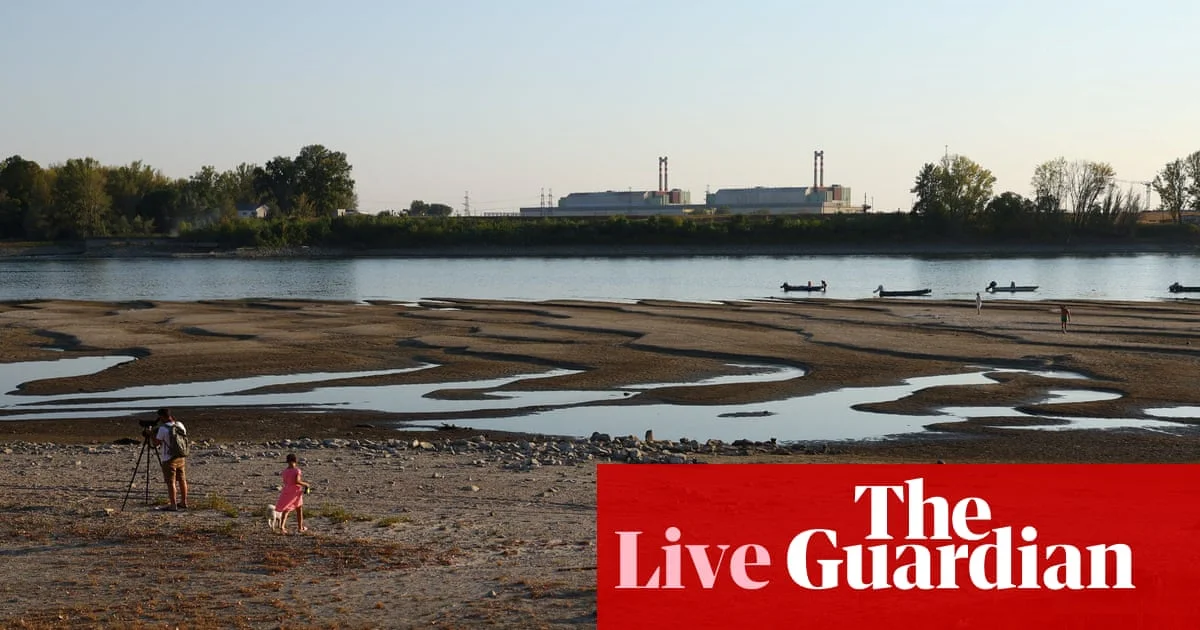
Hungary is currently facing an existential threat to its energy infrastructure as extreme heat and a worsening drought bring the Danube River to dangerously low levels. Prime Minister Péter Magyar has warned that the country came "within millimetres" of being forced to shut down its primary nuclear power plant, a move that would have catastrophic consequences for the regional power grid. The cooling systems of nuclear facilities rely heavily on consistent water flow, and the current environmental crisis highlights the extreme vulnerability of traditional energy sources to climate volatility. For European markets already reeling from years of energy insecurity, this development signals a potential spike in electricity costs that could ripple through the global economy.
This crisis is not merely a localized environmental issue; it is a significant factor for global energy sentiment. If Hungary is forced to take its nuclear capacity offline, it will need to pivot rapidly to gas or electricity imports, tightening an already stressed European market. For Iranian observers, these shifts in European energy demand often influence global oil and gas price trajectories. As Europe scrambles to manage its grid, the secondary effects on inflation and trade balances remain a key concern for international investors who are closely watching the stability of the Euro and related commodities.

Projectiles in the Strait of Hormuz and the 'Decapitation' Warning
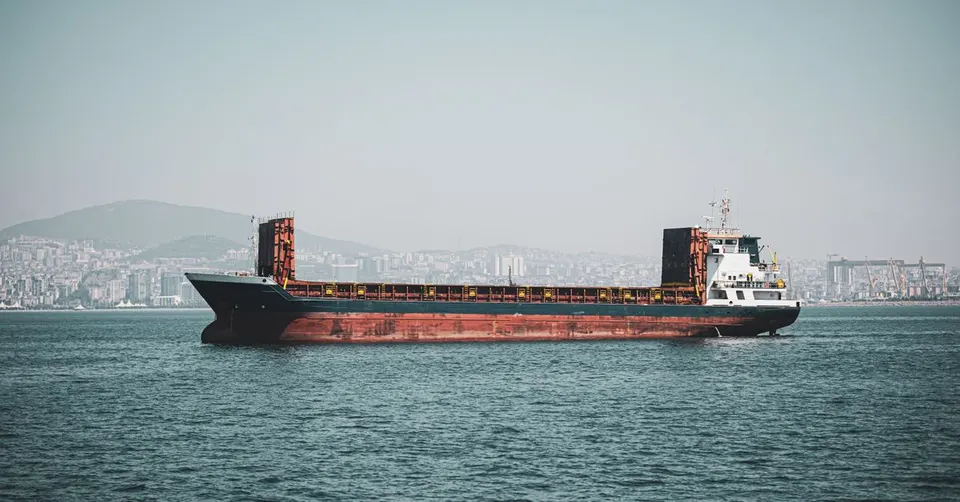
Tensions in the Middle East reached a new peak early Tuesday following reports from the UK Maritime Trade Operations (UKMTO) that a cargo vessel was struck by an "unknown projectile" in the Strait of Hormuz. While the extent of the damage remains under assessment, the incident has immediately spiked concerns regarding the safety of the world's most critical oil transit chokepoint. This comes alongside aggressive rhetoric from U.S. President Donald Trump, who recently characterized the current diplomatic situation with Tehran as a "last chance before decapitation." Such language, combined with kinetic action at sea, suggests a period of heightened unpredictability for regional shipping.
Despite the volatility in the Gulf, the Tehran currency market has shown a surprising degree of resilience this hour. The USD sell rate is holding firm at 191,900 Toman, representing a 0.0% change over the last 24 hours. However, market analysts suggest this stability may be the "calm before the storm." Gold prices also remain stagnant, with 18k gold at 18,359,573 Toman per gram. The lack of immediate price movement suggests that traders are waiting for a more definitive signal regarding whether the Hormuz incident will escalate into a broader maritime conflict or if diplomatic backchannels can de-escalate the situation before the next trading session.
Ukraine Strikes Deep into Russian Logistics Hubs
The conflict in Eastern Europe continues to intensify as Ukraine launched a series of successful drone and missile strikes against Russian warehouse facilities in the Moscow, St. Petersburg, and Tver regions. Reports indicate at least five fatalities in the Moscow region following these strikes, which targeted critical logistics and storage infrastructure. By moving the fight further away from the front lines and into the Russian heartland, Kyiv is attempting to disrupt the supply chains that fuel the Russian military machine. This strategic shift has forced Moscow to redirect air defense assets, potentially thinning its presence in occupied territories.
For global markets, the persistence of these strikes serves as a reminder that the war remains a primary driver of geopolitical risk. Each strike on a logistics hub or industrial facility contributes to the long-term degradation of global supply chains and keeps energy prices volatile. While the immediate human toll is devastating, the economic impact is felt in the fluctuating prices of wheat, energy, and industrial metals. As both sides show no signs of backing down, the international community is braced for a prolonged war of attrition that continues to challenge the post-war economic order and complicates recovery efforts in both emerging and developed markets.
Frequently Asked Questions
Why does a drought in Hungary affect global energy markets?
How did the Tehran market respond to the projectile strike in the Strait of Hormuz?
What is the significance of the latest Ukrainian strikes on Moscow?
Understanding Energy Chokepoints: Vulnerabilities in Global Energy Supply
The global energy market is a complex web, highly susceptible to disruptions at specific, critical junctures known as energy chokepoints. These are narrow geographical passages or essential infrastructural/resource points through which significant volumes of energy resources must pass. Understanding these chokepoints is crucial because their disruption, whether due to geopolitical tensions or environmental factors, can have immediate and far-reaching consequences for global supply, prices, and overall energy security. They represent points of concentrated risk within the vast energy network.
One of the most well-known maritime energy chokepoints is the Strait of Hormuz, linking the Persian Gulf to the open ocean. A staggering proportion of the world's seaborne oil and liquefied natural gas (LNG) passes through this narrow strait daily. Geopolitical incidents, such as ship attacks or heightened political rhetoric from regional powers like Iran, instantly raise fears of supply interruptions. Such events can trigger sharp increases in oil prices, impacting economies worldwide and fueling concerns about a global energy crisis, as seen in the anxieties surrounding the "Hormuz Tensions Flare" in the news.
Beyond maritime routes, critical resource points can also act as chokepoints. Consider the "Hungary nuclear plant drought" and "Danube river water levels." Nuclear power plants, while not reliant on fossil fuels, require vast amounts of water for cooling their reactors. When major rivers like the Danube experience severe droughts and critically low water levels, the ability of these plants to operate safely and efficiently is compromised. This effectively creates a "resource chokepoint," where a natural limitation directly threatens electricity generation, contributing to energy instability even in landlocked regions.
Ultimately, the interconnectedness of global energy markets means that vulnerabilities at these chokepoints are not isolated incidents. A disruption in the Strait of Hormuz affects oil prices from Asia to America, while a drought impacting nuclear power in Europe can strain continental electricity grids. These diverse threats, from geopolitical flashpoints to climate-induced resource scarcity, collectively underscore the fragility of global energy supply chains and the constant need for vigilance and diversification to mitigate the risks posed by these critical energy chokepoints.