Oil Slumps as Qatar Teases US-Iran De-escalation; India Braces for Hormuz Shocks
ریزش قیمت نفت با سیگنال قطر برای توافق کوتاهمدت؛ آمادهباش هند برای بحران هرمز
Oil markets have shifted into reverse following reports from Qatar suggesting a potential short-term diplomatic breakthrough between Washington and Tehran. Meanwhile, global powers like India are aggressively expanding strategic reserves to insulate themselves from ongoing volatility in the Strait of Hormuz.
At time of publishing
USD
191,700
Toman
Gold 18K
18.35M
Toman / gram
Bitcoin
$63,751
US Dollar
Tether
191,533.221
Toman
The Qatari Pivot: A Short-Term Reprieve for Oil Markets?
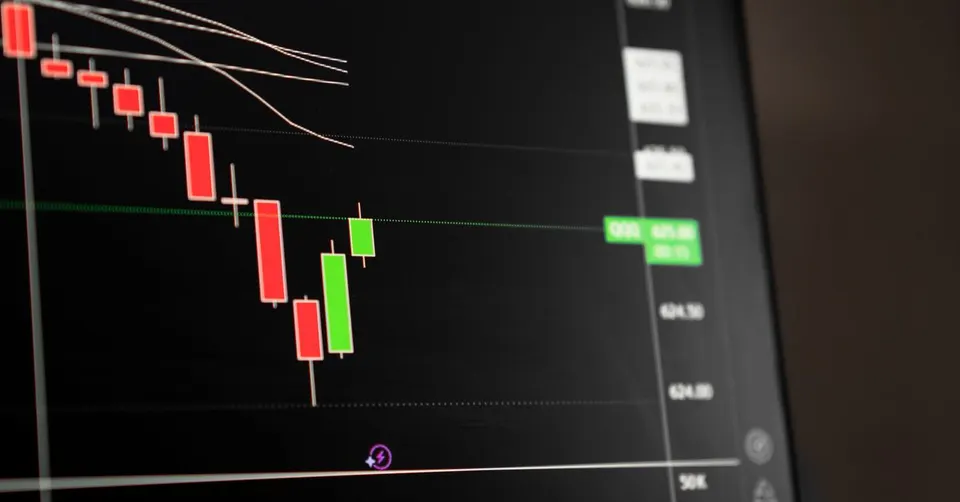
Oil prices experienced a sharp reversal on Tuesday as sentiment shifted from geopolitical panic to cautious optimism. The catalyst was a statement from Qatari officials suggesting that diplomatic efforts between the United States and Iran are not only ongoing but could result in a "short-term deal" to lower regional temperatures. For months, the market has priced in a significant "war premium" due to tensions in the Persian Gulf, but the prospect of a formal de-escalation mechanism has led traders to liquidate long positions, dragging crude prices down from their recent peaks.
While the specifics of such a deal remain opaque, analysts suggest it likely involves a "freeze-for-freeze" framework: Tehran would limit certain nuclear or regional activities in exchange for limited sanctions relief or the unfreezing of specific overseas assets. However, historical precedent suggests caution; as noted by various geopolitical observers, the U.S. administration has frequently signaled that a deal is "imminent" only for negotiations to stall. For the Iranian economy, which is currently grappling with a USD sell rate of 191,700 Toman, any tangible progress toward sanctions relief is viewed as a necessary lifeline to stabilize the national currency.
India’s Strategic Shield: Preparing for the Worst in Hormuz
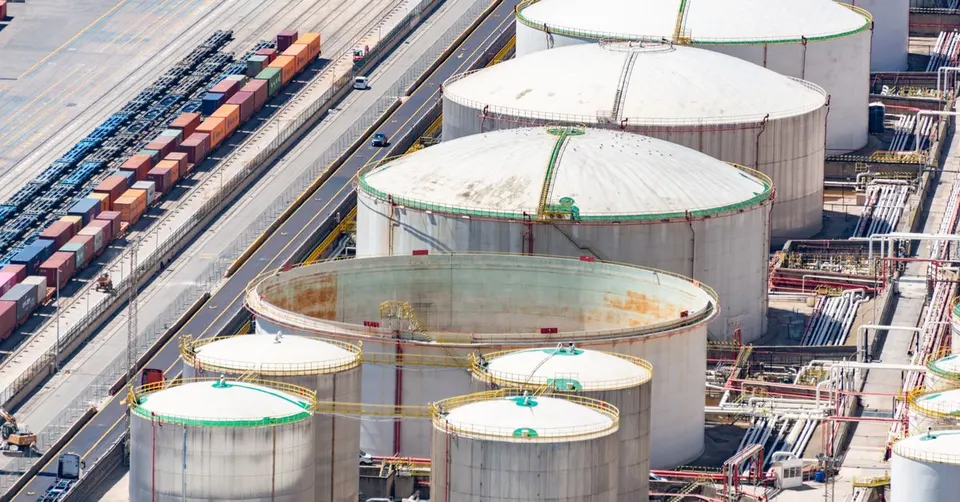
As the diplomatic dance continues, major energy consumers are no longer willing to leave their national security to chance. India, the world’s third-largest crude importer, has announced a massive expansion of its strategic petroleum reserves. The state-owned Oil and Natural Gas Corporation (ONGC) is set to build a new storage site in Mangaluru capable of holding 13 million barrels of oil. This move is a direct response to the repeated disruptions at the Strait of Hormuz, which have forced New Delhi to seek more expensive alternatives and rely heavily on Russian crude to bridge the gap.
This infrastructure pivot signifies a broader global trend: the era of "just-in-time" energy delivery is being replaced by "just-in-case" stockpiling. India’s realization that it needs a physical buffer against Middle Eastern volatility suggests that even if a short-term deal is reached between the U.S. and Iran, the underlying trust in regional shipping lanes has been fundamentally broken. For global markets, this means that while prices may slump today on news of talks, the long-term cost of energy will remain elevated as nations invest billions in redundant storage and supply chain security.
Rhetoric vs. Reality: Hezbollah’s Claims and the Toman’s Tumble
Inside Iran, the state-run IRNA news agency has been amplifying claims from Hezbollah leadership, asserting that Tehran has "emerged victorious" against the United States and the "Zionist regime." This narrative of triumph, however, stands in stark contrast to the daily economic reality faced by Iranian citizens. Despite the official talk of victory and regional dominance, the domestic currency market remains under immense pressure. At 16:00 Tehran time, the USD sell rate sat at 191,700 Toman, a slight -0.1% decrease from the previous 24-hour mark of 191,900, but still near historic lows that fuel rampant inflation.
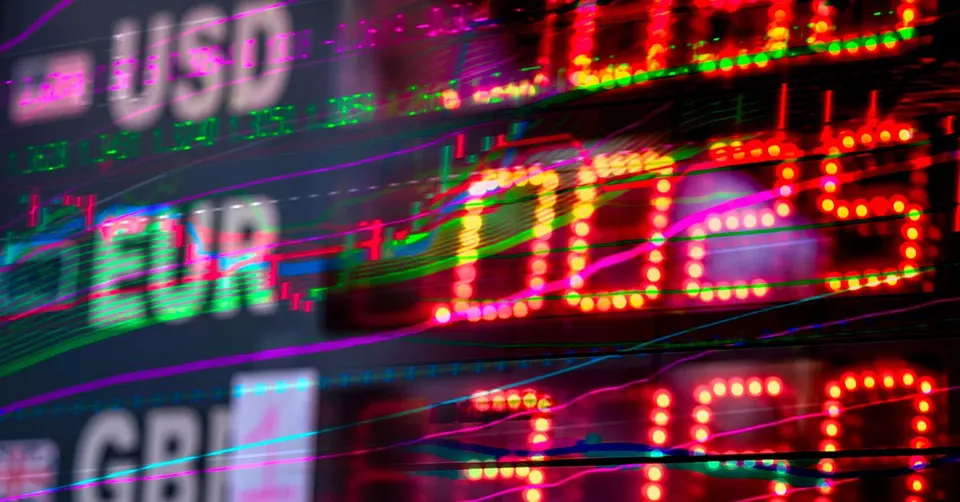
This disconnect between geopolitical posturing and economic health is a recurring theme in the 2026 landscape. While regional proxies celebrate strategic gains, the cost of living in Tehran continues to soar, with Gold 18k/gram trading at 18,345,722 Toman. The market is currently in a "wait-and-see" mode, balancing the optimistic Qatari reports against the reality of a heavily sanctioned economy. For the average investor, the minor fluctuations in the dollar and gold prices are less about a recovery and more about a momentary pause in a long-term inflationary cycle.
European Infrastructure Under Pressure: From Gatwick to the Danube
Beyond the Middle East, infrastructure and climate are dictating the next wave of economic shifts. In the United Kingdom, Gatwick Airport has finally cleared a major legal hurdle to open its second runway, a £2.2bn project expected to add 100,000 flights annually. This development is seen as a post-Brexit necessity to boost trade, though it faces ongoing criticism from environmental groups. Meanwhile, across mainland Europe, a severe heatwave is testing the limits of nuclear power. Record low water levels in the Danube River have forced power plants in Romania and Hungary to scale back production, as there is insufficient water to cool the reactors.
These two stories—airport expansion and nuclear cooling crises—highlight the dual challenges of modern governance: the need for growth versus the physical constraints of a changing climate. As Europe struggles to keep its lights on during the summer heat, the global energy mix becomes even more precarious. This regional instability in Europe often flows back into global commodity markets, providing an underlying support for gold prices, which remain resilient above $4,100 per ounce as investors seek a safe haven from both geopolitical and environmental volatility.
Frequently Asked Questions
Why did oil prices drop despite ongoing Middle East tensions?
What is the 'short-term deal' mentioned by Qatar?
How is India responding to the disruptions in the Strait of Hormuz?
The Strait of Hormuz: Global Oil's Geopolitical Chokepoint
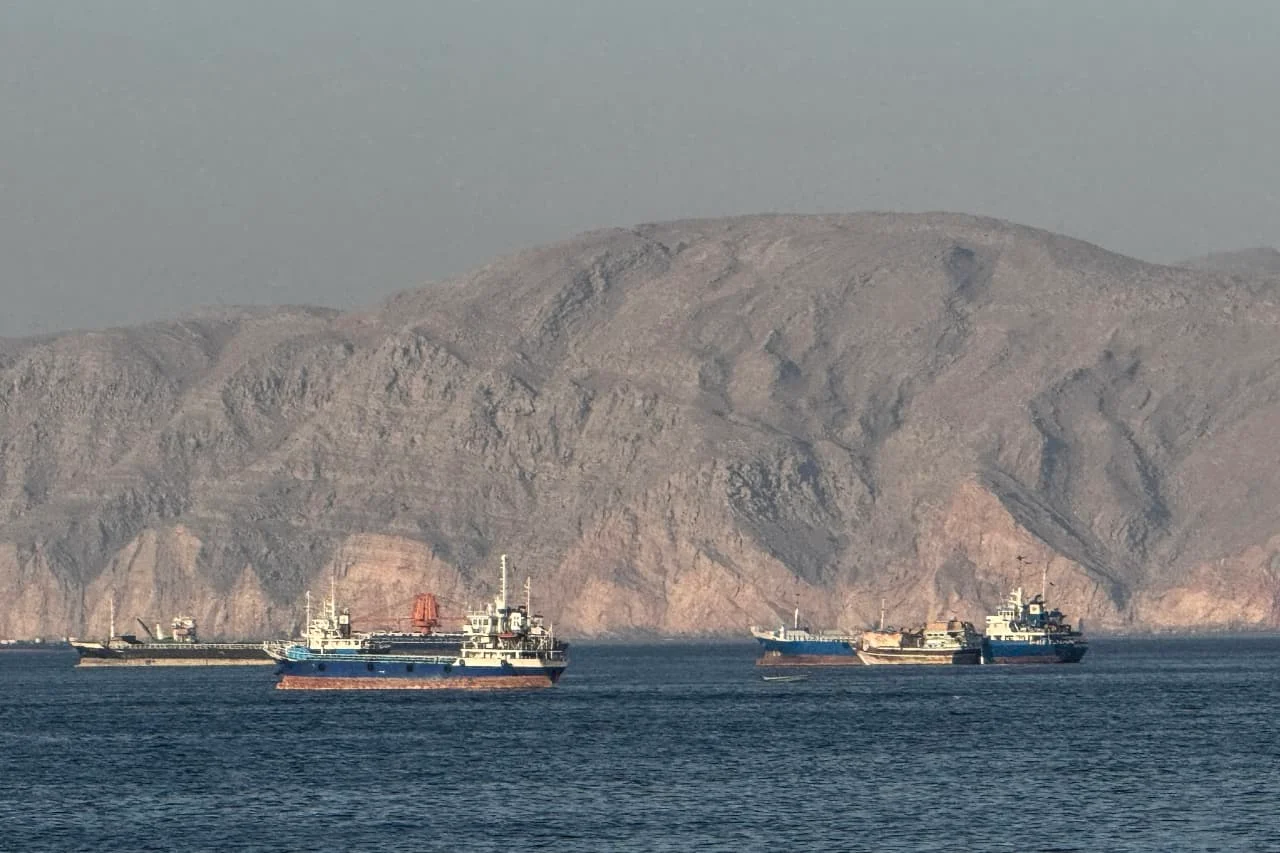
The Strait of Hormuz is arguably the world's most critical oil transit chokepoint, a narrow waterway connecting the Persian Gulf to the Arabian Sea and beyond. For decades, this strategic passage has been indispensable for global energy markets, facilitating the movement of a significant portion of the world's seaborne crude oil and liquefied natural gas (LNG). Its immense importance stems from its geographical position, serving as the sole maritime outlet for major oil-producing nations like Saudi Arabia, Iran, Iraq, Kuwait, Qatar, and the UAE, making it a focal point for geopolitical tensions and a barometer for global energy security.
Annually, approximately one-fifth of the world's total petroleum consumption, or about 21 million barrels per day (b/d) of crude oil and other liquids, transits through the Strait. This volume makes any potential disruption a grave concern for importing nations, particularly those in Asia like India, China, and Japan, which heavily rely on Middle Eastern oil. The sheer volume passing through means that even minor incidents or threats of closure can send shockwaves through international oil markets, triggering price volatility and impacting global economic stability.
The geopolitical landscape surrounding the Strait is complex, primarily shaped by Iran's strategic position along its northern coast. Iran has historically threatened to block the Strait in response to international sanctions or military pressure, leveraging its geographical advantage as a deterrent. Therefore, any perceived de-escalation of tensions between Iran and major global powers, such as the US, can lead to an immediate decrease in the “risk premium” embedded in oil prices, causing them to slump. Conversely, heightened tensions or actual disruptions, as implied by “Hormuz Shocks,” would likely cause prices to surge due to fears of supply shortages.
Understanding the Strait of Hormuz is crucial for comprehending global energy dynamics. It highlights how political stability, international relations, and maritime security in a single, relatively small waterway can have profound and immediate effects on crude oil prices, national energy policies (such as India's strategic oil reserves), and the broader global economy. The continuous interplay of supply, demand, and geopolitical risk ensures that the Strait remains a perpetual flashpoint on the world stage.