Ceuta Crisis Escalates, Trump Threatens Iran, Ukraine War Rages On
بحران سبته، تهدید ترامپ علیه ایران، و ادامه جنگ اوکراین
Europe grapples with a humanitarian crisis and misinformation surge in Ceuta, while escalating geopolitical tensions see Trump warning Iran over the Strait of Hormuz. Meanwhile, the conflict in Ukraine claims more lives, underscoring a volatile global landscape.
At time of publishing
USD
189,500
Toman
Gold 18K
18.38M
Toman / gram
Bitcoin
$64,262
US Dollar
Tether
190,383
Toman
Ceuta: Europe's Latest Flashpoint Fueled by Misinformation
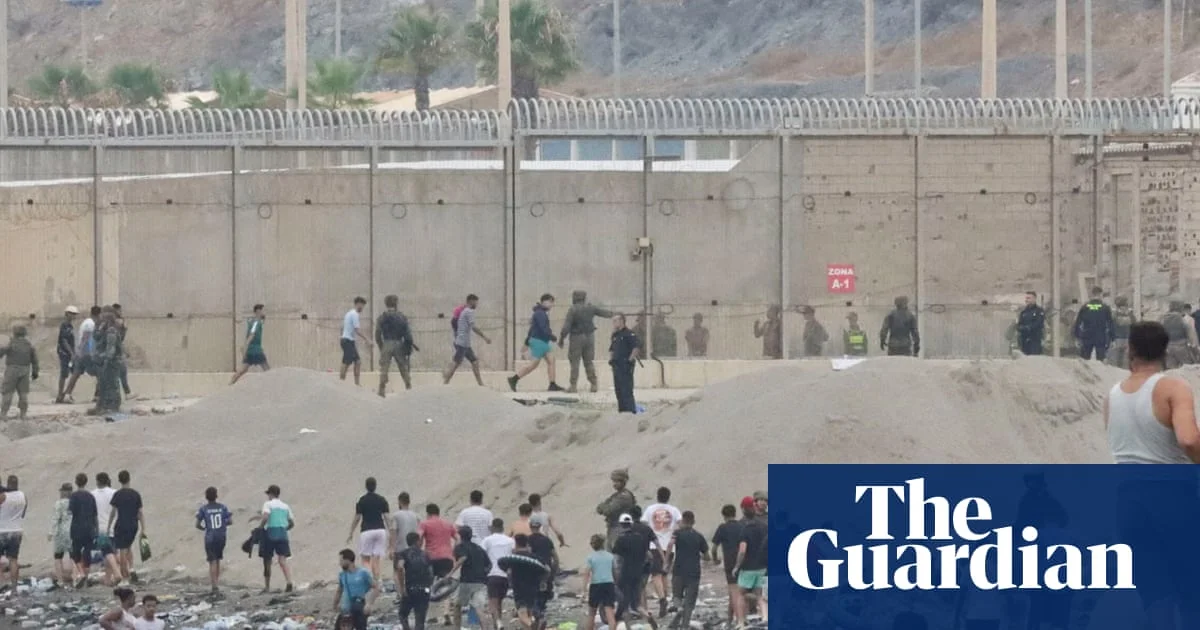
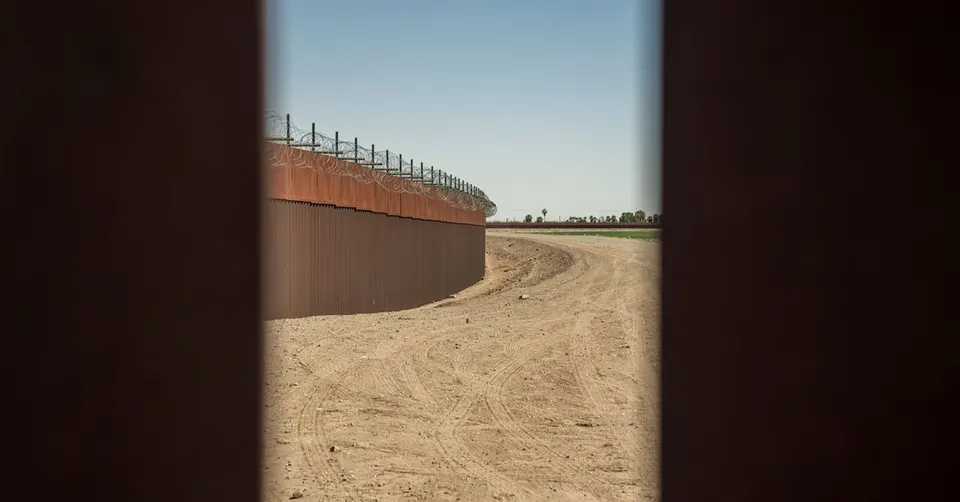
In the Spanish enclave of Ceuta, bordering Morocco, a rapidly unfolding humanitarian situation has been exacerbated by a potent mix of misinformation and hardened immigration policies. Over the past week, tens of thousands of migrants attempted to cross into the tiny territory, overwhelming local resources and sparking intense debate across Europe. While the immediate influx has subsided, the underlying issues of migration, border control, and the manipulation of information remain at the forefront.
The events in Ceuta highlight a worrying trend where sensationalized narratives and outright falsehoods can quickly overshadow factual reporting, influencing public perception and policy responses. EU interior ministers have sought to downplay the threat to the Schengen area, yet much of the coverage has framed the migrant arrivals as a territorial security risk, amplifying calls for stricter border enforcement. This dynamic is particularly concerning given the region's complex geopolitical context and the potential for such events to be exploited for political gain, impacting regional stability and humanitarian efforts.
---
Trump's Hormuz Threat and Shifting Oil Markets
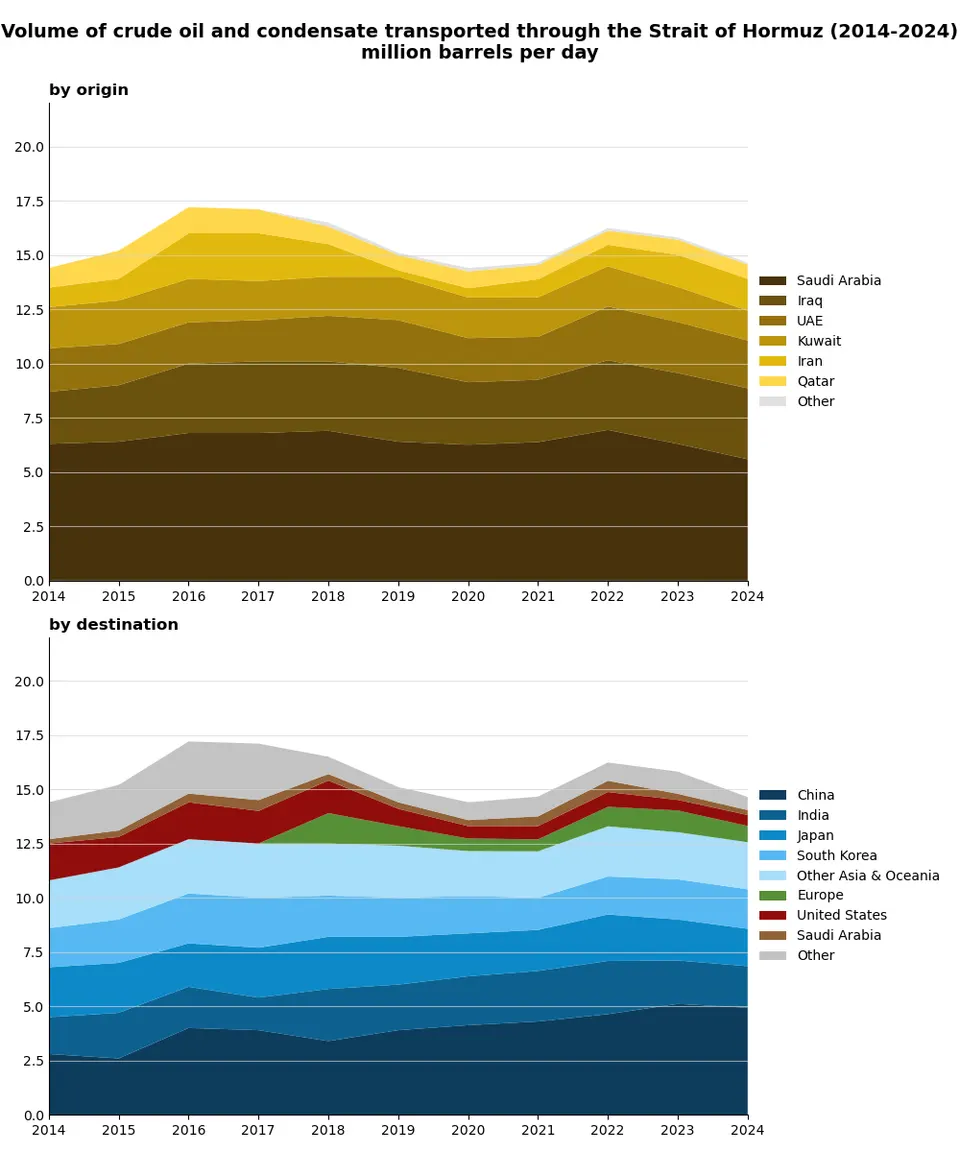
Former US President Donald Trump has issued a stark warning to Iran, stating the Islamic Republic will be "hit very hard" if the Strait of Hormuz is not reopened soon. This statement comes amidst reports of ongoing talks aimed at resuming shipments, with US officials like Secretary of State Marco Rubio and Treasury Secretary Scott Bessent reportedly involved in discussions. The rhetoric signals a potential escalation in tensions in a critical global energy chokepoint.
Simultaneously, global oil markets are experiencing volatility. Despite reports of peace talks, tanker traffic through the Strait of Hormuz remains subdued, with only a handful of vessels transiting the waterway daily. This constrained movement, coupled with the ongoing conflict in the Middle East, has contributed to significant profits for major oil companies and refiners. The market's sensitivity to any disruption in this region underscores the precarious balance of global energy supply and the potential for geopolitical pronouncements to trigger significant price swings.
---
Ukraine War Intensifies with Deadly Kyiv Bombardment
Russian forces have launched a heavy and deadly bombardment on the Kyiv region, with Ukrainian authorities reporting at least 14 people killed and 27 injured. The attack, which involved air raid alerts lasting over an hour, saw multiple sites hit in and around the capital. This latest assault underscores the continued ferocity of the conflict and the devastating impact on civilian populations.
The persistent shelling and loss of life in Ukraine highlight the ongoing humanitarian crisis and the urgent need for de-escalation. The international community continues to monitor the situation closely, with the repercussions of the war extending beyond Ukraine's borders through sanctions, energy market disruptions, and broader geopolitical realignments. The sustained nature of these attacks suggests no immediate end to the conflict, with significant implications for regional security and global stability.

Frequently Asked Questions
What is the current situation in Ceuta?
What is Donald Trump's warning to Iran regarding the Strait of Hormuz?
What are the latest developments in the Ukraine war?
How are global oil markets reacting to current events?
What is the connection between the Ceuta events and misinformation?
Understanding Geopolitical Chokepoints
Geopolitical chokepoints are narrow geographical passages, whether land-based or maritime, that hold immense strategic importance due to their location. These critical arteries act as funnels, concentrating the flow of global trade, energy supplies, military movements, and even human migration. Their unique positioning means that control over or disruption of a chokepoint can have far-reaching consequences, impacting international economies, energy prices, and global security.
The significance of chokepoints lies in their ability to grant considerable leverage to the entities that control or influence them. They frequently become flashpoints for diplomatic tension or outright conflict, as nations vie for dominance over these crucial pathways. Any threat to their passage can create immediate ripple effects across the globe, illustrating their disproportionate weight in international affairs.
Several examples highlight this concept. The Strait of Hormuz, mentioned in relation to Iran, is a prime maritime chokepoint through which a significant portion of the world's seaborne oil supply passes daily. Any disruption there sends shockwaves through global energy markets. Similarly, territories like Ceuta, bordering Morocco and Spain, function as migration chokepoints, concentrating human movement and presenting complex challenges for border management and humanitarian efforts.
While the Ukraine war isn't centered on a single physical strait, the conflict underscores the strategic importance of regions that serve as broader "chokepoints" for geopolitical influence, vital trade routes (such as Black Sea grain exports), or access to critical resources. Understanding the concept of chokepoints is essential for comprehending why certain geographical areas, despite their size, play such pivotal roles in shaping global politics and economics.