Australia Security Crisis Deepens; SpaceX Targets Telecom Giants as Bitcoin Holds $64k Amid Hormuz Hopes
بحران امنیتی در استرالیا و هجوم اسپیساکس به بازار مخابرات؛ ثبات بیتکوین در سایه مذاکرات هرمز
Australian authorities have filed dozens of charges over political threats, while SpaceX prepares to disrupt the global mobile network market. Meanwhile, Tehran's gold market sees a 1.1% rise as Bitcoin traders monitor potential diplomatic shifts in the Strait of Hormuz.
At time of publishing
USD
189,500
Toman
Gold 18K
18.42M
Toman / gram
Bitcoin
$64,020
US Dollar
Tether
189,364.508
Toman
Australia Faces Political Security Crisis Amid Dozens of Charges
In a development that has rattled the Australian political landscape, New South Wales police have charged a woman with 62 counts related to sending allegedly threatening letters to politicians, media outlets, and places of worship. This escalation comes at a time of heightened sensitivity regarding the safety of public figures and the integrity of democratic institutions. The legal proceedings, which are being tracked closely across the continent, highlight a growing concern over domestic extremism and the use of intimidation tactics against the press and government officials.
While the specific motives remain under investigation, the sheer volume of the charges suggests a coordinated and persistent effort to disrupt the public order. For international observers and those in the diaspora, this story serves as a reminder of the fragility of political stability even in historically secure nations. The impact on public discourse is already palpable, with calls for increased security measures for members of parliament and a broader discussion on the radicalization of individuals through digital and traditional mail channels.
SpaceX Signals Direct Assault on Telecom Giants
SpaceX is moving beyond satellite internet to challenge the world's largest telecommunications carriers. During a recent earnings call, SpaceX President Gwynne Shotwell and CEO Elon Musk confirmed plans to build a terrestrial mobile network designed to acquire customers currently subscribed to legacy providers like T-Mobile, AT&T, and Verizon. This move marks a fundamental shift in the company's strategy, moving from being a partner of these giants to a direct, high-stakes competitor in the mobile space.

This disruption could have profound implications for global connectivity and market valuations. By leveraging its existing Starlink infrastructure, SpaceX aims to provide seamless mobile coverage that bypasses the limitations of traditional cell towers. For regions with poor infrastructure, including parts of the Middle East, such a technology could eventually offer a way to circumvent local monopolies and state-controlled telecommunications networks. Investors are watching closely to see how traditional carriers will respond to a competitor that owns its own launch vehicles and satellite constellations.
Bitcoin Drifts Above $64k as Markets Eye Hormuz Diplomacy
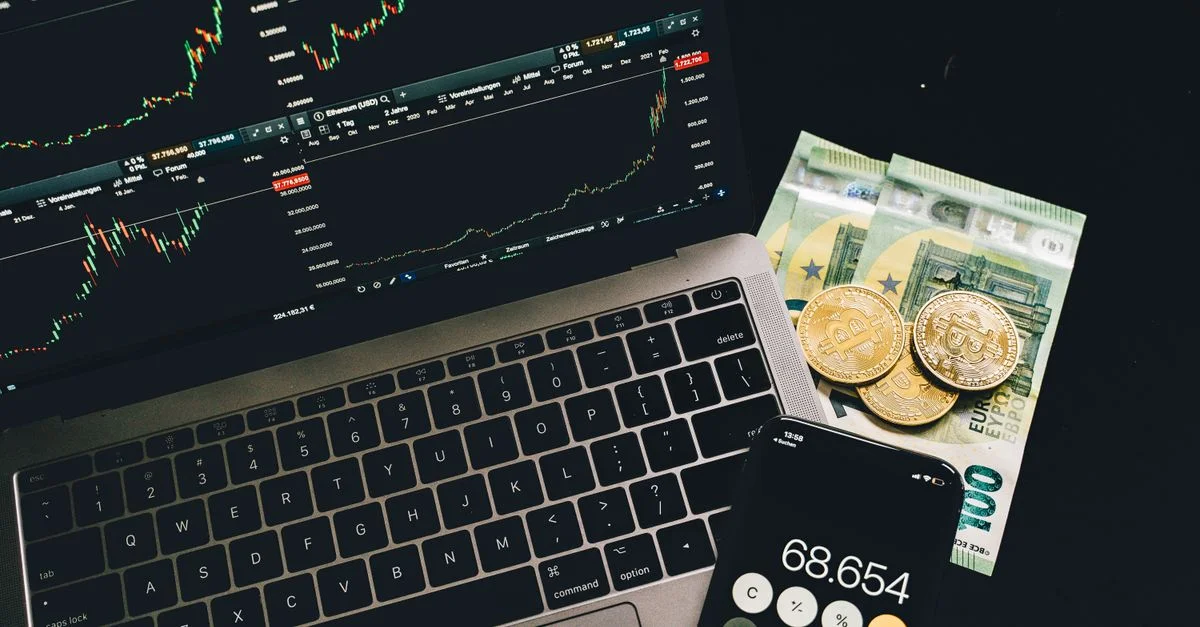
Bitcoin is currently trading at approximately $64,020, maintaining a steady position despite significant geopolitical volatility. Market analysts are pointing toward a potential deal regarding the Strait of Hormuz as a primary driver of sentiment. As one of the world's most critical energy transit points, any diplomatic easing in the region tends to boost global risk appetite. While BTC is often seen as a hedge against instability, its current correlation with broader market optimism suggests that traders are betting on a de-escalation of regional tensions.
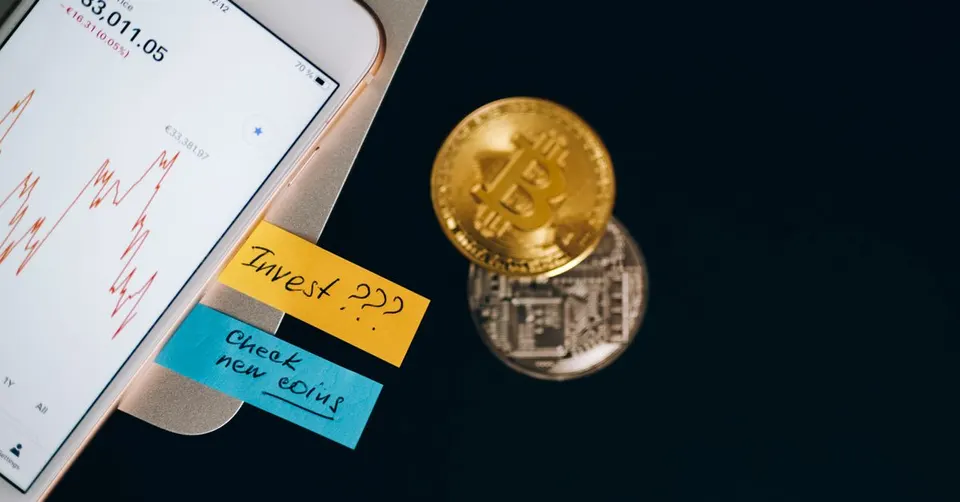
In the Iranian domestic market, the reaction has been more pronounced in the precious metals sector. While the USD/IRR remained flat at 189,500 Toman, the price of 18k gold rose by 1.1% to 18,417,286 Toman per gram. This divergence suggests that local investors are seeking the safety of gold even as the currency stabilizes, perhaps anticipating that global gold prices—currently at a staggering $4,165.40 per ounce—will continue their upward trajectory. The Emami coin remains steady at 185,000,000 Toman, reflecting a cautious but firm floor in the local market.
Rare Diplomatic Gesture: Pakistan and Iran Deepen Ties
In a significant move for regional trade, six members of Pakistan’s federal cabinet recently met with Iran’s Minister of Industry, Mine, and Trade, Mohammad Atabak, at the Iranian Embassy in Islamabad. This high-level meeting is a rare diplomatic gesture that underscores Pakistan's determination to expand bilateral cooperation despite the looming shadow of international sanctions. The discussions focused on energy, mining, and industrial partnerships, which both nations view as essential for economic survival in a fragmented global economy.
For the Iranian government, these talks are a vital part of its "Look to the East" strategy, attempting to build a sanctions-resistant trade bloc with its neighbors. However, the success of such initiatives remains contingent on the stability of the border regions and the ability to navigate complex financial hurdles. While state media portrays these meetings as a triumph of diplomacy, the practical impact on the average Iranian citizen's purchasing power will depend on whether these deals translate into actual goods on shelves and a reduction in inflationary pressures.
Kyiv Missile Strike Escalates Geopolitical Risk
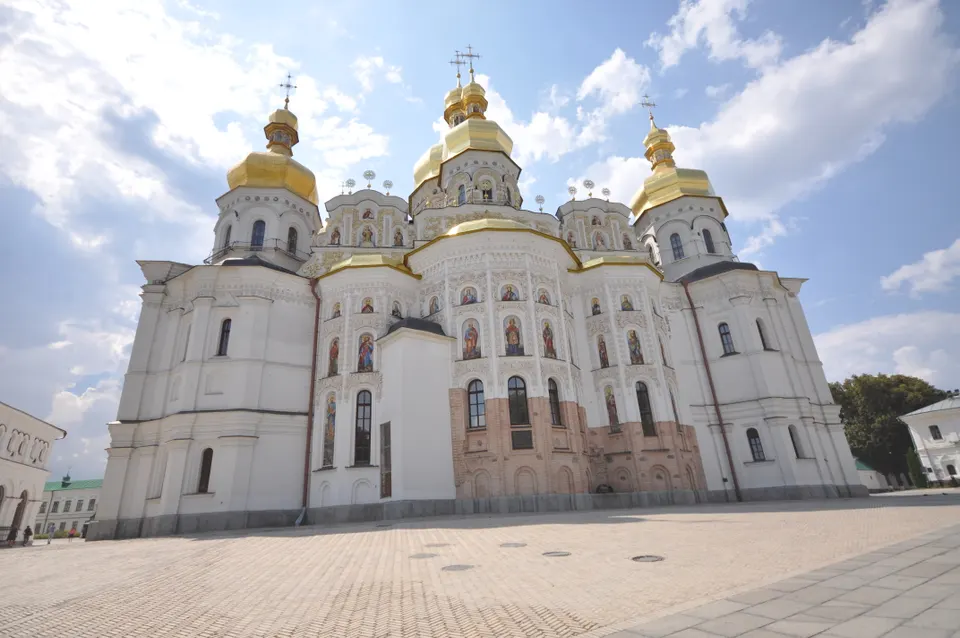
A Russian ballistic missile strike on the Kyiv region has claimed at least 17 lives, marking another grim chapter in the ongoing conflict. The head of Kyiv's military administration reported that the region is once again under massive attack, highlighting the persistent threat to civilian infrastructure. Such escalations continue to put pressure on global energy markets and supply chains, contributing to the high volatility seen in commodities and gold prices worldwide.
This event serves as a reminder of the interconnectedness of global crises. As the war in Ukraine intensifies, the resulting sanctions and shifts in alliance structures indirectly influence the economic landscape in the Middle East. The rise in global gold prices to over $4,100 is a direct reflection of the fear and uncertainty generated by such high-intensity conflicts. For investors, the takeaway is clear: geopolitical risk is no longer a peripheral concern but a central driver of asset valuation in 2026.
Frequently Asked Questions
Why is SpaceX entering the mobile network market?
Why did gold prices rise in Iran while the dollar remained stable?
What is the significance of the meeting between Pakistani ministers and Iran?
Understanding Geopolitical Risk and Its Global Impact
Geopolitical risk refers to the potential for international political events, conflicts, or instability to disrupt global economic activity and financial markets. It encompasses a wide range of factors, including wars, trade disputes, political coups, sanctions, and even significant shifts in diplomatic relations between major powers. These events introduce uncertainty, making it difficult for businesses and investors to plan, leading to volatility in asset prices, commodity markets, and currency exchange rates. The recent mention of "Hormuz Hopes" impacting Bitcoin's price perfectly illustrates how seemingly distant geopolitical developments can ripple through the global financial system.
The Strait of Hormuz, for instance, is a critical maritime chokepoint through which a significant portion of the world's oil supply passes. Any instability or potential disruption in this region — whether due to political tensions, military exercises, or trade disagreements — immediately raises concerns about global energy security. Such fears can drive up oil prices, increase shipping costs, and impact supply chains worldwide. Investors, anticipating these economic shifts, may adjust their portfolios, moving away from riskier assets or seeking safe havens, or conversely, betting on stability if tensions ease.
While traditional assets like oil and gold are often directly affected, the interconnectedness of modern financial markets means that even cryptocurrencies like Bitcoin are not immune. Bitcoin, often touted as a decentralized asset, can still react to geopolitical shifts. In times of heightened global uncertainty, some investors might flock to Bitcoin as a perceived hedge against traditional financial instability or currency devaluation, while others might sell off all risky assets, including crypto. Conversely, positive geopolitical developments, such as a "deal" in a critical region, can boost overall market sentiment, encouraging investment across various asset classes, including cryptocurrencies.