Miliband Urges Hormuz Reopening Amid Tensions; China's AI Surges in Africa
میلیبند خواستار بازگشایی تنگه هرمز شد؛ هوش مصنوعی چین در آفریقا پیشتاز
David Miliband has declared the reopening of the Strait of Hormuz 'essential' to combat global cost-of-living pressures, meeting with US officials amid ongoing regional tensions. Meanwhile, China's AI models are rapidly gaining traction in African tech hubs, offering a cheaper alternative to Western solutions.
At time of publishing
USD
186,700
Toman
Gold 18K
18.40M
Toman / gram
Bitcoin
$64,286
US Dollar
Tether
186,300
Toman
Miliband Calls for Hormuz Reopening to Ease Global Costs
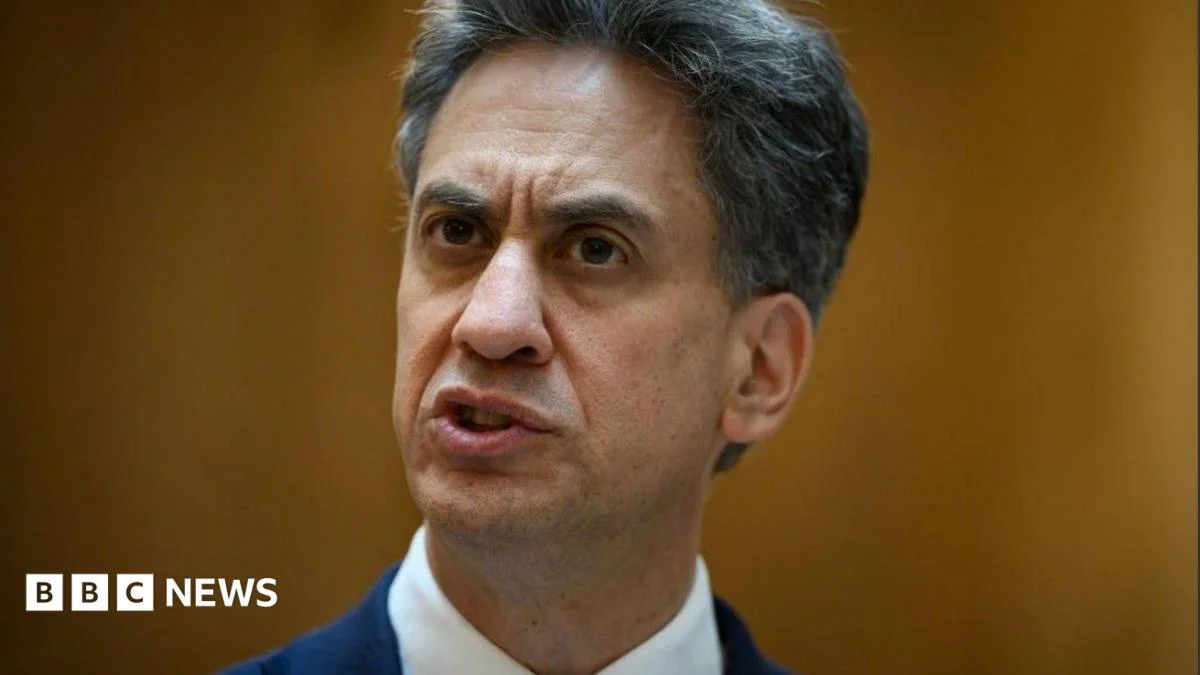
David Miliband, the UK's Foreign Secretary, stated that reopening the Strait of Hormuz is "essential" to alleviate global cost-of-living pressures. Speaking after a meeting with US counterpart Antony Blinken in Washington, Miliband emphasized the critical role of the vital shipping lane in stabilizing global energy markets and, by extension, reducing inflation worldwide. The call comes amid heightened tensions in the region, with ongoing Israeli strikes in Lebanon and a continued US-Iran stand-off concerning maritime security.
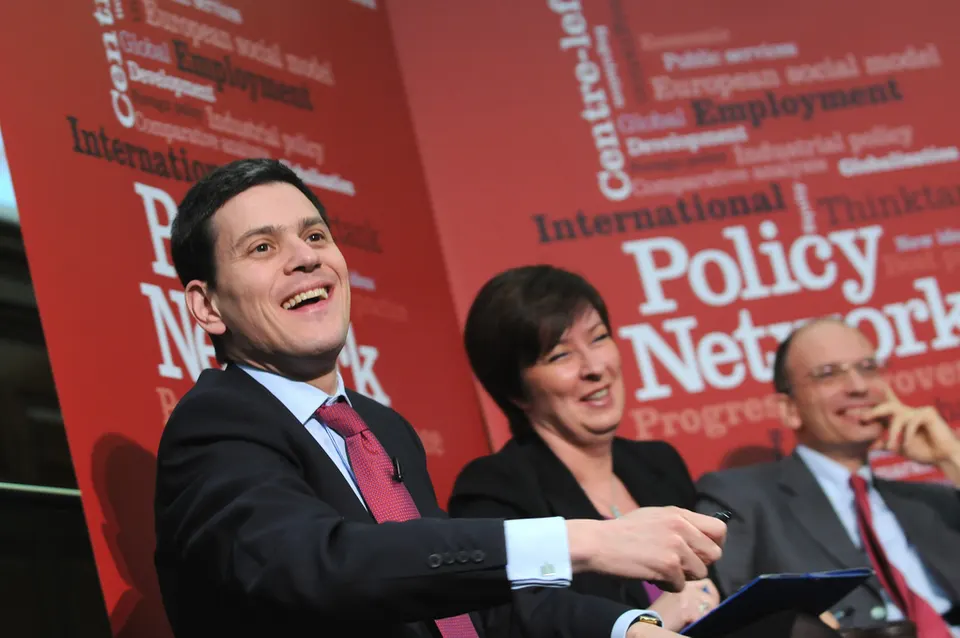
This diplomatic push highlights the interconnectedness of regional security and global economic stability. The Strait of Hormuz, a chokepoint for a significant portion of the world's oil supply, has been a focal point of geopolitical maneuvering. Any disruption or perceived threat to its free passage has immediate ripple effects on crude prices and, consequently, on inflation rates for everyday goods. Miliband's remarks signal a coordinated effort by Western allies to de-escalate tensions and ensure the unimpeded flow of commerce, directly impacting household budgets across the globe.
---
China's AI Dominance Grows in African Tech Scene
Chinese artificial intelligence models are increasingly being adopted by developers in African tech hubs, presenting a significant challenge to Western AI providers. Reports indicate that African developers are favoring China's AI offerings due to their lower cost and greater accessibility, often being freely available. This trend is particularly notable in rapidly growing tech ecosystems across the continent, where budget constraints often dictate technology choices.

The implications of this shift are far-reaching. It suggests a potential divergence in the global AI landscape, with China carving out a significant market share in developing economies. While US AI models are often lauded for their advanced capabilities, the economic realities faced by many African startups and businesses make Chinese alternatives more practical. This could lead to a scenario where African technological development becomes more closely aligned with Chinese standards and infrastructure, influencing future innovation and data governance on the continent.
---
UN Alarmed by Surge in Iran Executions
The UN High Commissioner for Human Rights, Volker Türk, has expressed grave concern over a significant increase in executions in Iran since March. According to his office, 56 individuals have been executed on charges related to national security, a figure that includes 27 cases linked to protests that occurred earlier in the year. This surge in capital punishment raises serious questions about human rights standards and the rule of law within Iran.

These executions, often carried out for offenses that do not meet the threshold of the "most serious crimes" under international law, highlight a disturbing pattern of repression. The international community is watching closely, as such actions can have implications for Iran's foreign relations and its standing on the global stage. The economic pressure from sanctions, coupled with internal dissent, may be contributing to a more severe crackdown by the authorities, further impacting the well-being and confidence of the Iranian populace and the broader regional economic outlook.
---
Indian Refiners Pivot to West African Crude Amid Hormuz Disruptions
Indian refiners are increasingly sourcing crude oil from West Africa and Oman as shipping constraints at the Strait of Hormuz and the Bab el-Mandeb strait continue to disrupt term supplies from the Middle East. This strategic shift underscores the tangible impact of geopolitical tensions on global energy trade routes and commodity prices.
One prominent example is Mangalore Refinery and Petrochemicals Limited (MRPL), a state-controlled Indian entity, which recently acquired approximately one million barrels of crude oil from Oman. This purchase, made via a tender and at a premium of around $3 per barrel to Dated Brent, highlights the lengths refiners are going to secure necessary supplies. The premiums paid indicate a market willing to absorb higher costs to avoid the risks associated with navigating the troubled shipping lanes, directly affecting the cost of refined products.
---
Crypto Whales Accumulate Amidst Market Weakness
Data from CryptoQuant suggests that cryptocurrency whales, or large holders of digital assets, are actively accumulating Bitcoin and Ethereum. This accumulation is occurring during a period of market weakness, which the analytics firm interprets as a potential sign that the bear market is nearing its late stage. Large holders appear to be absorbing supply, anticipating a possible market bottom and subsequent recovery.
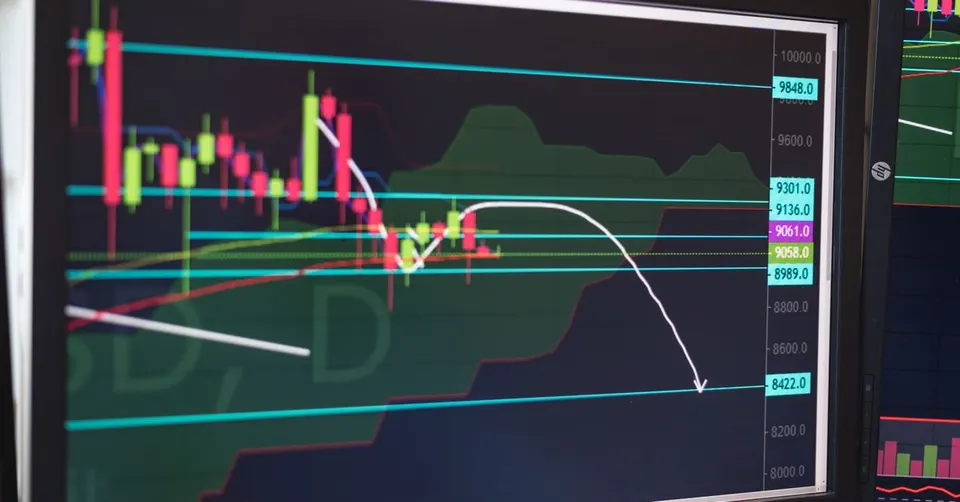
This behavior from major players often precedes significant market movements. If whales continue to buy, it could signal increased confidence in the long-term prospects of cryptocurrencies, potentially influencing broader market sentiment. For investors, particularly those in regions like Iran where cryptocurrency offers an alternative to volatile local markets, such whale activity is a key indicator to monitor for potential shifts in market direction and investment opportunities. The current USDT price in Toman, hovering around 186,300, reflects ongoing demand for stablecoins, but whale accumulation in major cryptocurrencies could signal a shift towards riskier, higher-reward assets.
Frequently Asked Questions
Why is the reopening of the Strait of Hormuz considered essential by UK officials?
What is driving the growth of Chinese AI in Africa?
What is the UN's concern regarding Iran?
How are geopolitical tensions affecting India's oil supply?
What does whale accumulation in crypto markets suggest?
The Strategic Significance of Maritime Chokepoints, with a Focus on the Strait of Hormuz
Maritime chokepoints are narrow, strategically important sea lanes or canals that are critical for global trade, particularly the transport of energy resources like oil and natural gas. Their geographic constriction means that a significant portion of the world's commercial shipping must pass through them, making them highly vulnerable to disruption from political instability, military conflict, or even natural disasters. Understanding these chokepoints is essential for grasping the intricate web of global economics and geopolitics, as their closure or restriction can have immediate and far-reaching consequences for international markets and national security.
Among these vital passages, the Strait of Hormuz stands out as arguably the most critical. Located between the Persian Gulf and the Arabian Sea, it is the sole sea passage from the Persian Gulf to the open ocean and is bordered by Iran to the north and Oman and the UAE to the south. This narrow waterway, only about 21 miles (33 km) wide at its narrowest point, is a transit route for approximately one-fifth of the world's total oil consumption and a quarter of the world's liquefied natural gas (LNG). Tankers carrying crude oil from major producers like Saudi Arabia, Iran, Iraq, Kuwait, Qatar, and the UAE must navigate this strait to reach global markets in Asia, Europe, and the Americas.
The immense volume of energy resources passing through the Strait of Hormuz imbues it with profound geopolitical and economic significance. Any threat to its free passage, whether from regional tensions, naval blockades, or military confrontation, can trigger immediate spikes in global oil prices, disrupt supply chains, and send shockwaves through the world economy. Nations heavily reliant on imported energy, such as India (mentioned in the keywords as having refiners), China, and many European countries, are particularly sensitive to stability in this region.
The recurring calls for its "reopening" or assurances of safe passage, as highlighted by figures like David Miliband, underscore its constant vulnerability amid regional political tensions. The Strait of Hormuz thus serves as a powerful symbol of global energy interdependence and the delicate balance required to maintain international economic stability. Its strategic importance ensures it remains a focal point in international diplomacy and military planning, illustrating how a geographical bottleneck can dictate the flow of global commerce and power.
Topics
Related Articles