Hormuz Breakthrough: Iran and Oman Map Shipping Routes as Toman Eases Under Diplomatic Hopes
گشایش در هرمز: توافق ایران و عمان بر سر مسیرهای کشتیرانی و واکنش ۱ درصدی دلار
Iran and Oman have finalized geographic coordinates for a new shipping route through the Strait of Hormuz, signaling a potential de-escalation in the energy corridor. Meanwhile, tech markets are shaken by the departure of Google’s AI chief scientist and SpaceX’s massive $64 billion spending spree.
At time of publishing
USD
187,600
Toman
Gold 18K
18.56M
Toman / gram
Bitcoin
$64,635
US Dollar
Tether
187,816
Toman
The Hormuz Map is Drawn: Iran and Oman Finalize Shipping Routes
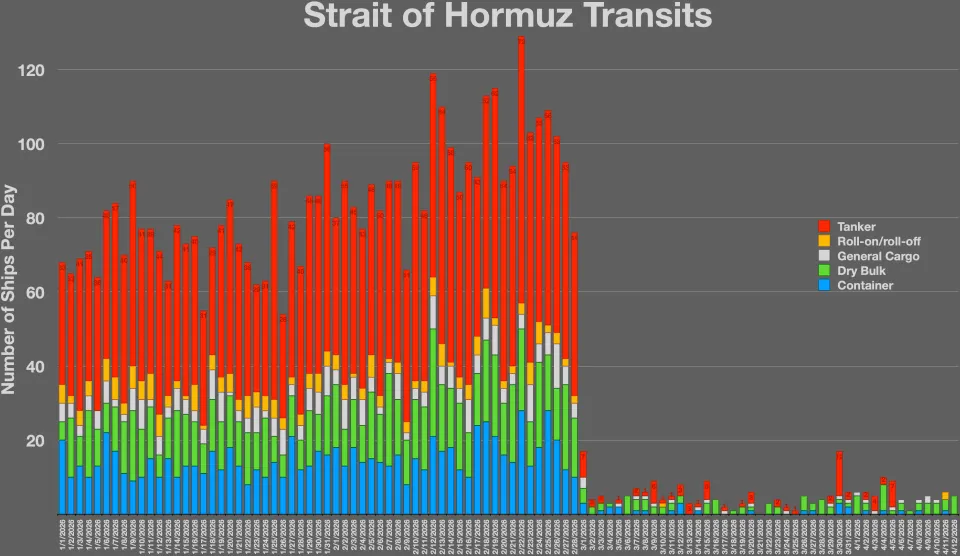
In a significant diplomatic development late Wednesday, Iranian Foreign Ministry spokesperson Esmaeil Baghaei announced that Iran and Oman have reached a technical agreement on the geographic coordinates for a dedicated shipping route through the Strait of Hormuz. This move, which is currently being finalized into a joint announcement, represents a concrete step toward stabilizing the world’s most vital energy chokepoint. However, Baghaei was careful to manage expectations, noting that while the map is agreed upon, the agreement itself does not inherently guarantee security in the waterway, especially if third parties choose to interfere. This caveat highlights the fragile nature of the current regional peace process.
The market reaction in Tehran has been one of cautious optimism. The USD/IRR exchange rate moved from 189,500 to 187,600, marking a 1.0% decrease as traders priced in a reduction in immediate maritime conflict risk. Despite this, gold remains a preferred hedge for many; Gold 18k per gram rose from 18,214,137 to 18,555,796 Toman, a 1.9% increase. This divergence suggests that while the currency market is breathing a sigh of relief over the Hormuz talks, the broader inflationary environment and global gold strength—with the ounce sitting at $4,264.10—continue to drive local precious metal demand. Reports indicate the draft agreement is now awaiting final approval from the Supreme Leader, a step that could lead to a formal reopening of the corridor.
Kyiv’s Shield Thins: Patriot Shortage Leaves Ukraine Vulnerable
As diplomacy moves forward in the Middle East, the crisis in Eastern Europe is entering a critical and dangerous phase. Ukrainian officials issued a stark warning on Wednesday following a series of deadly strikes on Kyiv, stating that a severe shortage of Patriot interceptor missiles is now directly costing civilian lives. The Ukrainian government emphasized that while they possess the Patriot launchers, the supply of the sophisticated interceptors required to down Russian ballistic missiles has reached dangerously low levels. Without these defenses, major urban centers and critical infrastructure are effectively left wide open to high-altitude barrages, creating a tactical nightmare for the nation’s air defense commanders.
This shortage is not merely a logistical failure but a geopolitical bottleneck. Western allies, particularly the United States and European nations, are struggling to balance their own domestic stockpiles with the high-burn rate of the war in Ukraine. For global markets, this escalation signals a prolonged conflict with no immediate resolution, maintaining high risk premiums on energy and commodities. The humanitarian toll is also mounting, with recent strikes proving that even the most well-defended cities are now vulnerable. For the Iranian observer, the continued depletion of Western military hardware in Ukraine serves as a barometer for how much attention and resources the U.S. can afford to pivot back to the Middle East if the Hormuz deal falters.

The Google Brain Drain: Jeff Dean Exits as AI Rivalries Heat Up
The technology sector faced its own earthquake today as Alphabet’s stock took a hit following the departure of Jeff Dean, Google’s Chief Scientist and one of the most influential figures in the history of artificial intelligence. Dean is reportedly leaving the tech giant to launch a new startup named "Discovery Loop," which aims to apply AI to scientific breakthroughs like drug discovery and chip design. This exit is part of a broader "brain drain" at Google, where top-tier talent is increasingly lured away by the promise of more agile, specialized startups. For investors, this raises serious questions about Google’s ability to maintain its lead in the AI arms race against rivals like OpenAI and Microsoft.
Simultaneously, SpaceX is making headlines for the sheer scale of its capital ambition. Wall Street analysts expressed shock on Wednesday at reports that Elon Musk’s aerospace firm is projected to spend a staggering $64 billion this year alone, much of it directed toward AI integration and the expansion of its Starlink network. While retail investors have been "buying the dip" in SpaceX shares, institutional analysts are concerned that such massive spending could strain even the most robust balance sheets. This era of hyper-investment in AI is creating a volatile environment where the loss of a single key executive or a miss in quarterly spending can wipe billions off a company’s valuation. For the global economy, this confirms that the AI revolution is no longer just about software, but about massive, physical infrastructure and talent retention.
Frequently Asked Questions
How does the Iran-Oman shipping agreement affect oil prices?
Why is the Toman falling while gold prices continue to rise in Iran?
What is Jeff Dean's new startup, Discovery Loop, focused on?
The Strategic Economics of the Strait of Hormuz
The Strait of Hormuz is one of the world’s most critical maritime chokepoints, a narrow waterway only about 39 km wide at its tightest point that connects the Persian Gulf with the open ocean. Roughly a fifth of global petroleum consumption transits the strait each day, making it a linchpin for energy‑dependent economies from the United States to China. Because the flow of oil and gas can be throttled by geopolitical tension, the strait’s security directly influences global oil prices, insurance premiums for tankers, and the strategic calculations of both regional and extra‑regional powers.
Economists describe chokepoints like Hormuz in terms of “strategic scarcity”: the physical constraint on a vital resource (in this case, a shipping route) gives the controlling states—principally Iran and Oman—disproportionate bargaining power. Even the mere threat of closure can trigger price spikes, as seen after the 2019 attacks on oil tankers. Consequently, nations invest heavily in naval patrols, surveillance satellites, and diplomatic initiatives to keep the waterway open. The concept also explains why alternative routes, such as the longer and costlier journey around the Cape of Good Hope, are only pursued when risk premiums become too high.
The recent Iran‑Oman agreement to map shipping routes and improve navigation aids reflects a classic “risk mitigation” strategy. By providing clearer charts, better traffic separation schemes, and joint rescue protocols, the two countries reduce the perceived danger of accidents or hostile interference, thereby lowering insurance costs for carriers. Lower insurance premiums translate into cheaper transport costs, which can ease pressure on the Iranian toman and help stabilize regional trade, especially when global oil markets are volatile.
Understanding the economics of the Hormuz chokepoint also sheds light on broader geopolitical dynamics. For example, the United States maintains a naval presence to guarantee freedom of navigation, while China has invested in port infrastructure in nearby Gulf states to secure its energy imports. The interplay of military deterrence, diplomatic engagement, and commercial incentives creates a delicate balance that keeps the strait open most of the time, but also makes it a flashpoint whenever regional tensions flare.
In short, the Strait of Hormuz illustrates how geography can amplify economic leverage. Control over a narrow waterway that carries a disproportionate share of the world’s oil endows Iran and Oman with strategic relevance far beyond their economic size, turning a simple shipping lane into a lever that can influence global markets, diplomatic negotiations, and even the value of national currencies.
Topics
Related Articles