Hormuz Shipping Deal Nears Final Stage as Toman Gains; SpaceX Earnings Rattle Telecom Giants
گام نهایی در توافق کشتیرانی هرمز و تقویت تومان؛ زلزله در بازار مخابرات با گزارش مالی اسپیساکس
Iran and Oman are finalizing a landmark agreement on shipping coordinates in the Strait of Hormuz, providing a much-needed psychological boost to the Toman. Meanwhile, SpaceX’s latest earnings have sent shockwaves through the telecom sector, pulling down shares of AT&T and Verizon.
At time of publishing
USD
187,300
Toman
Gold 18K
18.56M
Toman / gram
Bitcoin
$64,867
US Dollar
Tether
187,399
Toman
Diplomatic Thaw in Hormuz: Iran and Oman Finalize Shipping Coordinates
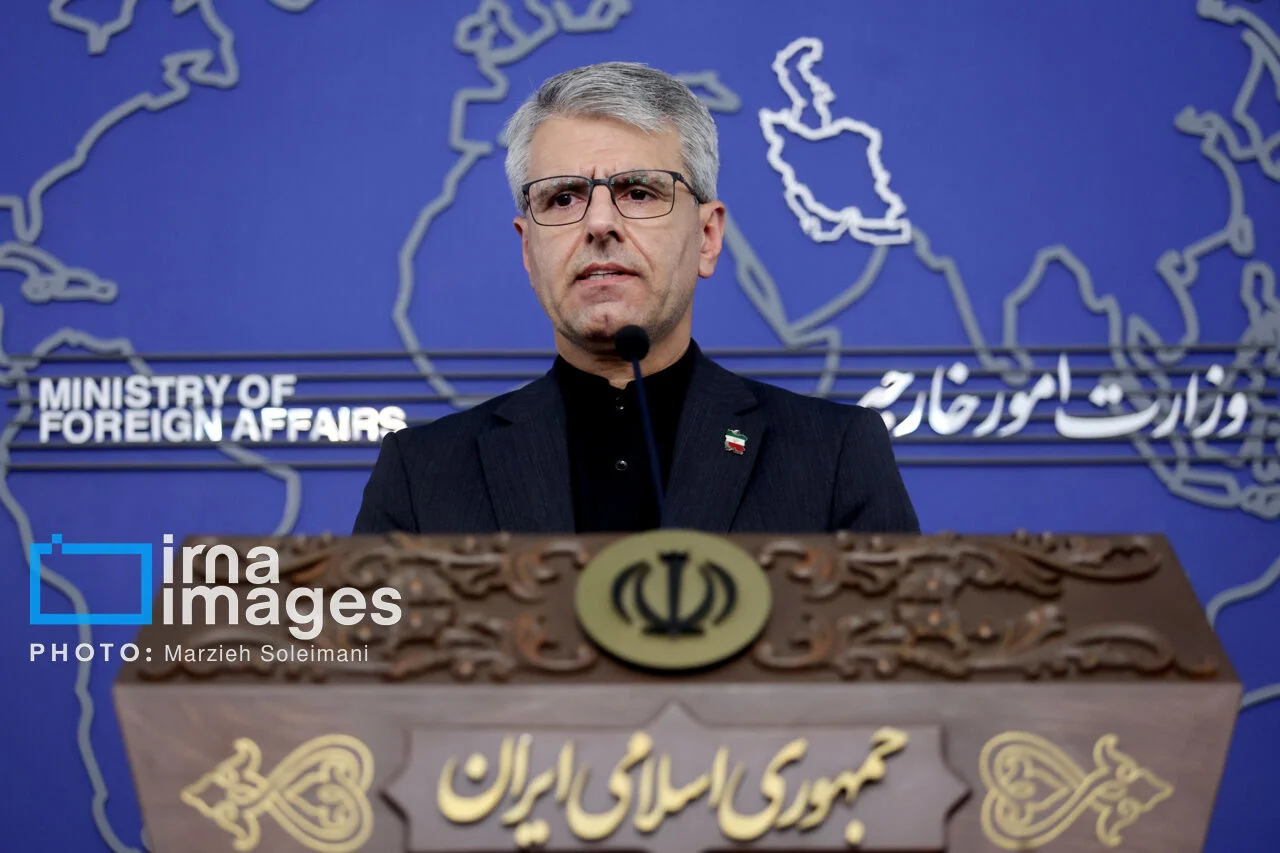
In a significant move toward regional de-escalation, Iranian Foreign Ministry spokesperson Esmail Baghaei announced on Wednesday that Tehran and Muscat have reached a technical understanding regarding the geographic coordinates for a shipping route through the Strait of Hormuz. This development, which is currently being drafted into a joint statement, represents a rare moment of diplomatic progress amid months of maritime tension. However, Baghaei was careful to manage expectations, stating that while the agreement is a positive step, it does not unilaterally guarantee the security of the strategic waterway, especially if "third parties"—a likely reference to Western naval presence—interfere with the process.
The impact on the domestic Iranian market was immediate and visible. The USD/IRR exchange rate, which has been under immense pressure, showed a corrective trend as news of the diplomatic breakthrough filtered through trading circles. The US dollar moved from 189,500 to 187,300 Toman, marking a 1.2% decrease over the last 24 hours. While the underlying economic fundamentals remain fragile due to ongoing sanctions, this "Hormuz premium" reduction suggests that traders are pricing in a lower risk of immediate military confrontation in the Persian Gulf. Foreign Minister Araghchi has also been briefing European counterparts, including Italy, on this process, indicating that Tehran is using the Oman channel as a primary tool for broader diplomatic signaling.
SpaceX Disrupts the Giants: Why AT&T and Verizon are Shedding Value
The global telecommunications landscape faced a sharp correction on Wednesday following the release of SpaceX’s latest earnings report. While the space exploration company remains private, its financial disclosures regarding the Starlink satellite network have sent a clear message to traditional carriers: the era of terrestrial dominance is under threat. Shares of AT&T, Verizon, and T-Mobile all trended lower as investors digested SpaceX's claim that it can build robust wireless capabilities without the multibillion-dollar investments in physical tower infrastructure that have long defined the industry.
What actually happened is a fundamental shift in investor sentiment. For decades, telecom giants were seen as safe, high-dividend bets with a massive "moat" of physical infrastructure. SpaceX’s direct-to-cell technology effectively bypasses this moat, offering a more agile and cost-effective alternative for global connectivity. While retail investors were seen "buying the dip" on SpaceX-related instruments, institutional money flowed out of traditional telcos, fearing that the high debt loads carried by companies like AT&T will become unsustainable if they lose their competitive edge to satellite-based providers. This is not just a technology story; it is a capital reallocation event that could redefine the S&P 500's telecom sector for the rest of the decade.

Shadow War Escalation: The Leipzig Drone Bomb and European Security
Security agencies across Europe are on high alert following the discovery of an armed drone at Leipzig airport in Germany. The device, which was found near cargo planes belonging to Ukrainian logistics firms, represents a dangerous escalation in what intelligence officials describe as a Russian-orchestrated campaign of hybrid warfare. Although the drone failed to detonate, the fact that it successfully breached the perimeter of a major international aviation hub has raised urgent questions about the vulnerability of Western infrastructure. Initial evidence suggests the plot was designed to disrupt the flow of supplies to Kyiv, marking the first time such a kinetic device has been found so far from the Ukrainian border.
This incident is more than a localized security breach; it signifies a shift in Moscow’s strategy toward targeting the logistical heart of Europe. As Ukraine’s own air defenses become increasingly depleted—evidenced by the "scariest night" in Kyiv where multiple Russian missiles bypassed defense systems—the Kremlin appears to be testing the limits of NATO’s domestic security. For the reader, this means heightened geopolitical risk premiums in energy and shipping markets. As the Strait of Hormuz crisis already rewrites the global LPG trade, the prospect of targeted sabotage within European borders could lead to increased insurance costs and further supply chain delays, keeping inflation sticky despite central bank efforts to cool the economy.

Market Realities: Gold Rises as Toman Finds a Temporary Floor
While the currency market saw a slight cooling of the dollar's heat, the gold market in Tehran followed a different trajectory, driven by global uncertainty and a persistent hedging instinct among local investors. Gold 18k per gram rose from 18,214,137 to 18,555,796 Toman, a 1.9% increase. This decoupling from the USD/IRR trend suggests that while diplomatic news can sway the currency, the long-term fear of inflation and global instability keeps gold demand robust. Emami coins saw a minor correction of -0.5%, moving to 184,000,000 Toman, likely due to a temporary saturation of supply as some traders took profits following the recent rallies.
The global context for gold remains bullish, with the ounce trading at $4,252.60. Investors are looking at the combined risks of the Hormuz shipping bottleneck and the escalating conflict in Eastern Europe as reasons to stay positioned in hard assets. For the Iranian household, the message is clear: while diplomatic headlines provide short-term relief for the Toman, the structural risks to the economy haven't vanished. The market is in a "wait-and-see" mode, where any sign of obstruction in the Oman-Iran talks could immediately reverse today's currency gains and send the dollar back toward previous highs.
Frequently Asked Questions
How does the Iran-Oman shipping agreement affect oil prices?
Why is gold rising in Tehran while the US Dollar is falling?
What does SpaceX's success mean for traditional telecom companies?
The Strategic Importance of the Strait of Hormuz
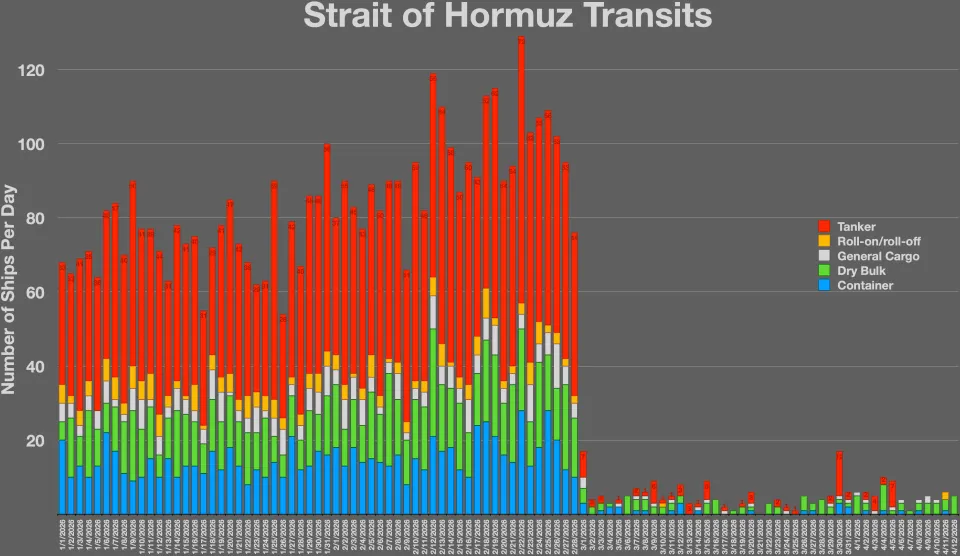
The Strait of Hormuz is a narrow waterway that links the Persian Gulf with the Gulf of Oman and the broader Indian Ocean. At its narrowest point it is only about 21 nautical miles (39 km) wide, making it one of the world’s most constrained maritime passages. Because it sits between the oil‑rich nations of the Gulf (Iran, Iraq, Kuwait, Saudi Arabia, United Arab Emirates, Qatar) and the rest of the world, virtually every tanker carrying Persian‑Gulf crude must pass through it.
Despite its modest size, the strait handles roughly 20‑30% of the world’s daily oil trade, moving around 21 million barrels per day in recent years. This concentration means that any disruption—whether from military tension, piracy, or accidents—can instantly ripple through global energy prices, shipping insurance costs, and even the cost of gasoline in distant markets.
The region’s geopolitics have turned the strait into a flashpoint. Iran has repeatedly threatened to close the passage in response to sanctions or perceived aggression, most dramatically during the 2019 attacks on oil tankers and the 2020 drone and missile incidents. Oman, which shares a border with Iran and maintains a neutral diplomatic stance, often acts as a mediator, underscoring how bilateral relations can influence the security of this chokepoint.
From an economic perspective, the threat of closure drives up freight rates and forces oil exporters to consider alternative routes, such as the longer journey around the Cape of Good Hope. Insurance premiums for vessels transiting Hormuz spike during periods of heightened tension, and commodity markets react quickly, with oil futures often rallying on news of possible disruptions.
Looking ahead, the strait’s strategic relevance is unlikely to fade. While projects like the Qatar‑UAE pipeline or increased LNG capacity could diversify supply, the sheer volume of crude that still flows through Hormuz means that any future diplomatic breakthrough—or escalation—will have immediate global consequences.
Topics
Related Articles