Fauci Contempt Vote Shakes DC as Michigan’s Progressive Shift Signals New US-Mideast Policy Path
جنجال رای عدم تمکین فائوچی در واشینگتن؛ پیروزی پیشروها در میشیگان و سیگنال تغییر در سیاست آمریکا
A high-stakes Senate vote on Anthony Fauci and a progressive primary victory in Michigan are redefining the US political landscape. Meanwhile, Bitcoin stabilizes near $64.6k as regional tensions and military maneuvers keep Iranian markets on edge.
At time of publishing
USD
187,400
Toman
Gold 18K
18.61M
Toman / gram
Bitcoin
$64,475
US Dollar
Tether
187,737
Toman
The Fauci Showdown: US Political Volatility and the Global Ripple
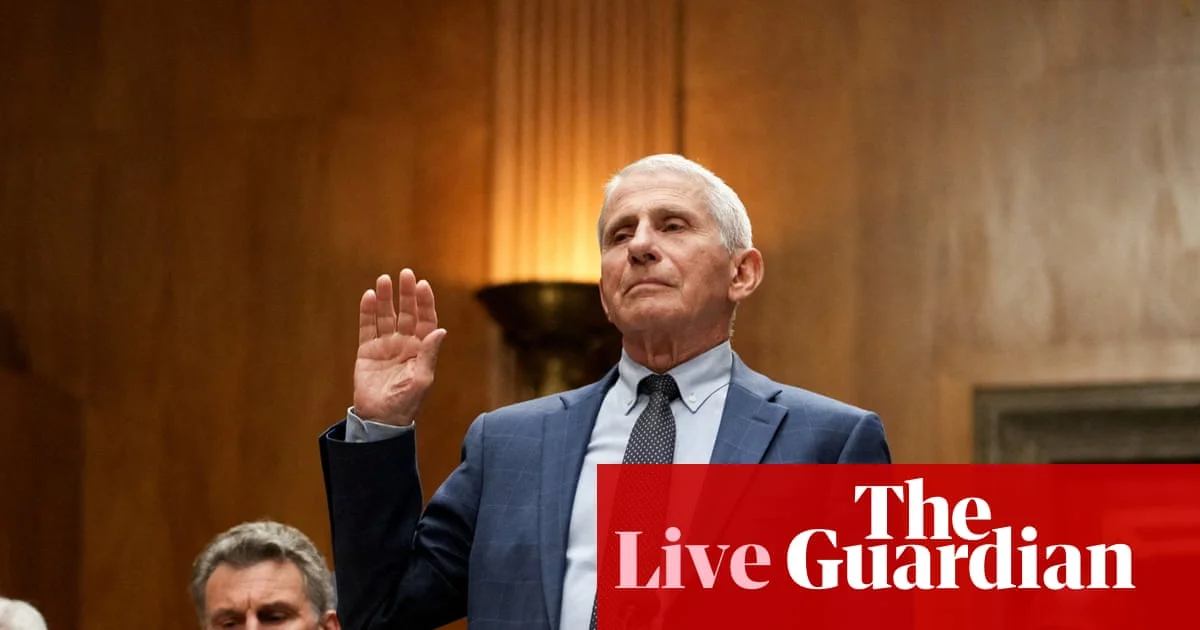
In a move that has sent shockwaves through Washington D.C., a Senate committee is set to vote on holding Dr. Anthony Fauci in contempt of Congress. The former chief medical advisor, who became a polarizing figure during the COVID-19 pandemic, has invoked the Fifth Amendment, refusing to answer key questions regarding the origins of the virus and the federal response. This legal drama coincides with Donald Trump’s presence in the capital for high-level meetings, further charging the atmosphere with partisan intensity. For international observers and Iranian markets, this domestic American turmoil is more than just a headline; it signals a period of deep legislative gridlock that could distract the U.S. government from foreign policy priorities, potentially creating a vacuum in diplomatic engagement.
The contempt vote is a rare and aggressive maneuver, highlighting the Republican-led committee's determination to litigate the pandemic era's decisions. As John Thune and other Senate heavyweights gather for private strategy sessions, the outcome of this vote will likely dictate the tone of the upcoming election cycle. For the Iranian reader, this volatility in the U.S. capital often translates to unpredictable swings in the global risk appetite. When the American legislative engine stalls or turns inward for political combat, the certainty required for international agreements or sanction relief often evaporates, leading to a cautious stance among global investors and currency traders.
Michigan’s Progressive Pivot: A New Era for US-Middle East Diplomacy?
In a stunning upset that has rattled the Democratic establishment, progressive candidate Abdul El-Sayed has defeated centrist Haley Stevens in the Michigan Senatorial primary. Michigan, a critical swing state with a significant and politically active Arab-American and Muslim population, has become a litmus test for the future of U.S. foreign policy in the Middle East. El-Sayed’s victory represents a growing leftward shift that prioritizes human rights and a more balanced approach to regional conflicts over traditional, hawkish interventionism. This shift is particularly relevant given the ongoing tensions in Gaza and the broader regional instability involving Iran and its neighbors.
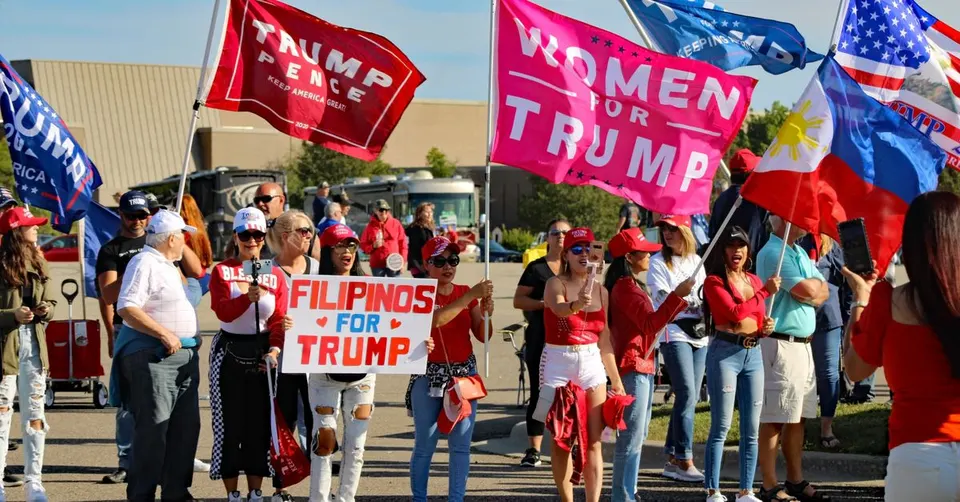
The narrowness of this victory suggests a deeply divided party, but the momentum clearly lies with those advocating for a departure from the status quo. If this trend continues into the general election, it could force a significant recalibration of how Washington handles diplomatic ties and sanctions regimes. For Tehran, a more progressive U.S. Senate could mean a more receptive ear for diplomatic de-escalation, though the road to actual policy change remains fraught with institutional hurdles. The result in Michigan is a clear signal that the American electorate’s appetite for traditional Middle Eastern involvement is waning, replaced by a demand for policies that reflect domestic social values.
Military Posturing and Market Resilience: Toman and Gold Edge Higher
On the domestic front, the Iranian Army Air Force has ramped up its rhetoric, with the deputy coordinator claiming that years of planning have been conducted to counter U.S. military bases in the region. This statement from Tehran, reported by state media, emphasizes a state of constant monitoring and operational readiness. While such rhetoric is often viewed as a deterrent strategy, it adds a layer of geopolitical risk that is immediately reflected in the local markets. Despite the talk of military readiness, the Iranian Toman and gold markets have shown a controlled, albeit upward, movement in the last 24 hours.
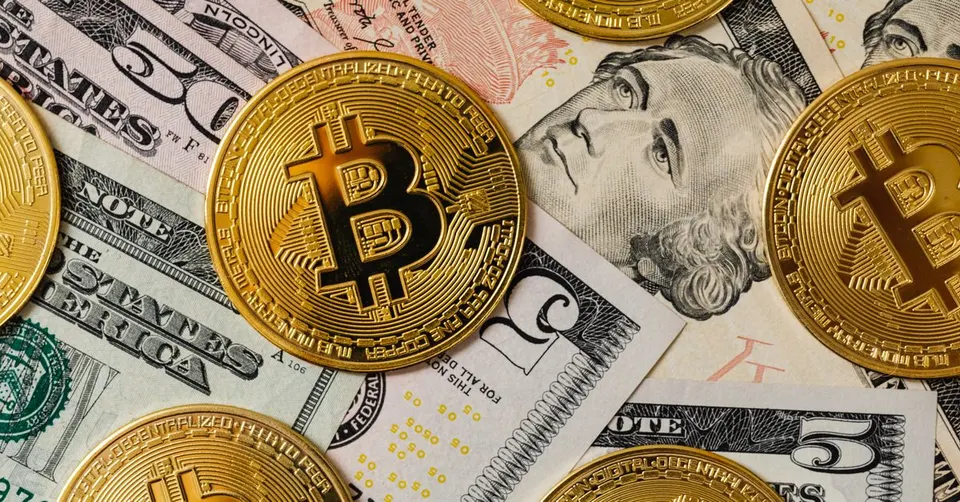
According to the latest data, the USD/IRR exchange rate moved from 187,300 to 187,400 (+0.1%), while Gold 18k per gram rose from 18,555,796 to 18,606,583 (+0.3%). The Emami coin also saw a 0.5% increase, moving from 184,000,000 to 185,000,000 Toman. These marginal increases suggest that while there is no immediate panic, the market is pricing in the persistent regional friction. Interestingly, Bitcoin has edged higher toward the $64,600 mark, buoyed by optimism surrounding a potential deal in the Strait of Hormuz and improving ETF flows. For the Iranian investor, this creates a complex landscape where traditional assets like gold remain a hedge against local volatility, while digital assets are increasingly seen as a barometer for global regional stability.
Europe Under Pressure: The Intersection of War and Climate
Europe is currently grappling with a triad of crises: the spillover from the wars in Ukraine and Iran, record-breaking heatwaves, and a renewed surge in migration. A brutal summer has exposed the fragility of European infrastructure and the limits of its political control. Wildfires in regions like Washington state (mirrored by similar events in Southern Europe) and the ongoing pressure on the NHS to plan for heatwaves as they do for winter highlight a continent straining under forces largely beyond its grip. These environmental and social pressures are forcing European governments to turn their focus inward, which may limit their capacity to act as effective mediators in Middle Eastern conflicts.
This "straining for control" has direct implications for the Middle East. As European nations struggle with domestic stability and resource allocation, their appetite for providing financial or military aid—or even hosting high-level diplomatic summits—is being tested. For Iran, a distracted or weakened Europe means fewer partners capable of maintaining the JCPOA framework or providing a buffer against unilateral U.S. actions. The record number of referrals to anti-terror programs in the UK further underscores a society on edge, where domestic security concerns are increasingly overshadowing foreign policy ambitions. The interconnectedness of climate, conflict, and migration is creating a new geopolitical reality that Tehran must navigate with extreme caution.
Watch
Fauci faces contempt vote over COVID testimony
Fox News
Frequently Asked Questions
Why is the contempt vote for Anthony Fauci significant for global markets?
How does the Michigan primary result affect Iran?
Why are Iranian gold and USD prices rising despite talk of a Hormuz deal?
Understanding Geopolitical Risk and its Economic Impact on Global Markets
Geopolitical risk refers to the potential for political events, conflicts, or instability between nations to disrupt global markets and economic activity. These risks are not merely about military clashes; they encompass a wide range of factors, including trade disputes, sanctions, political elections, and shifts in foreign policy. When such risks escalate, they can trigger significant volatility in financial markets, influence commodity prices, and affect currency valuations, as investors react to perceived threats to supply chains, economic stability, or investment returns.
One of the most critical geopolitical flashpoints with profound economic implications is the Strait of Hormuz. This narrow waterway, situated between Iran and Oman, is a vital chokepoint through which approximately one-fifth of the world's total petroleum consumption, and a significant portion of its liquefied natural gas, passes daily. Any threat to navigation or closure of the Strait, whether due to military exercises, acts of aggression, or political tensions, has immediate and dramatic effects on global energy markets, sending oil prices soaring and creating widespread economic uncertainty.
The relationship between the United States and Iran often places the Strait of Hormuz at the center of geopolitical calculations. Tensions arising from issues like Iran's nuclear program, regional proxy conflicts, or the enforcement of international sanctions directly impact the perceived risk of disruption in the Strait. Such geopolitical friction can lead to significant fluctuations in Iran's domestic economy, reflected in the USD/IRR exchange rate, as sanctions restrict trade and investment, and uncertainty drives capital flight. Similarly, the price of gold in Iran, often seen as a safe-haven asset, can surge during periods of heightened risk as individuals seek to protect their wealth from currency devaluation and economic instability.
Moreover, shifts in domestic politics, as hinted by the Michigan primary results, can signal potential changes in a nation's foreign policy approach, further influencing geopolitical risk. A progressive shift in US policy towards the Middle East, for instance, could either de-escalate or escalate tensions depending on its specific direction and reception by regional actors. Understanding these intricate connections between political developments, strategic chokepoints, and economic indicators is crucial for comprehending the complex interplay that shapes global markets and national economies.
Topics
Related Articles