Ebola Crisis Intensifies in Congo as Baltic Tensions Simmer and Nintendo Cashes in on Tariffs
تشدید بحران ابولا در کنگو همزمان با هشدارهای امنیتی در بالتیک و سودآوری نینتندو از تعرفهها
The WHO has called for an emergency scale-up in the Democratic Republic of Congo as Ebola cases approach 4,000, while Lithuania issues a chilling warning over potential Russian 'false flag' operations. Meanwhile, corporate giants like Nintendo and Diageo are navigating shifting economic tides with massive profit gains and cost-cutting measures.
At time of publishing
USD
187,400
Toman
Gold 18K
18.64M
Toman / gram
Bitcoin
$64,528
US Dollar
Tether
187,730
Toman
The Congo Crisis: A Global Health Warning
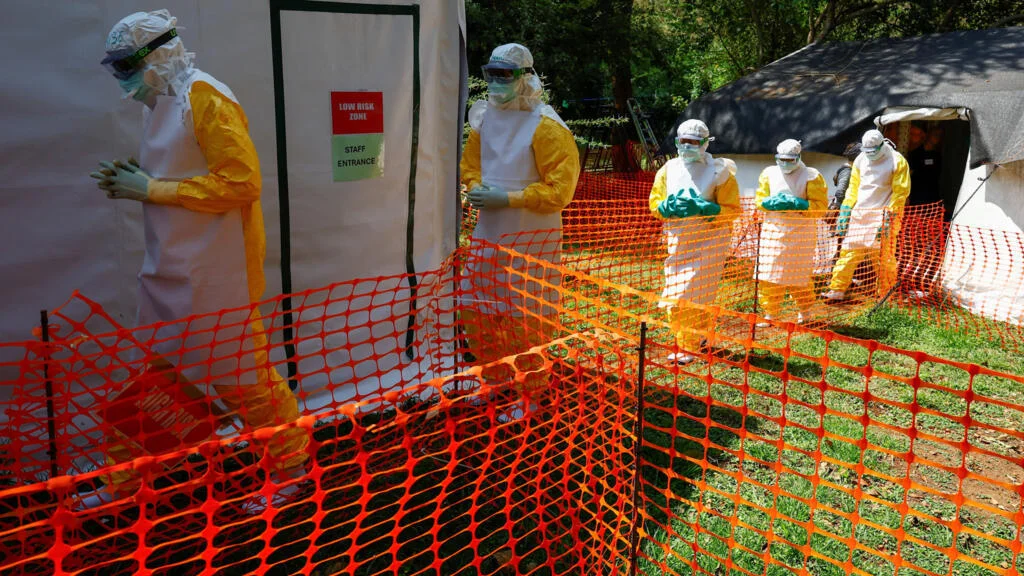
The World Health Organization (WHO) has officially called for an "intensified" medical response in the Democratic Republic of Congo as the seventeenth Ebola outbreak continues to spiral out of control. With nearly 4,000 cases reported and a death toll exceeding 1,700 since mid-May, the situation has reached a critical tipping point. Medical teams are currently being deployed to the hardest-hit provinces, and specialized treatment centers are being established at a rapid pace. While vaccine trials are ongoing, the sheer speed of transmission has raised alarms across the international community, prompting fears of a broader regional crisis that could disrupt trade and travel across Africa and beyond.
For the Iranian reader, this health crisis is more than a distant tragedy. Historically, global health emergencies of this scale lead to increased volatility in commodity markets and tighter shipping regulations. As the WHO ramps up its presence, the indirect impact on global supply chains could manifest in higher logistics costs. Furthermore, the focus of international aid organizations on the Congo may divert resources from other regional health initiatives, emphasizing the need for robust domestic health security and vigilance in monitoring international transit hubs to prevent any potential cross-border transmission.
Geopolitical Fault Lines: From the Baltics to the Aegean
Security concerns are mounting in Europe as Lithuania’s defense minister issued a stark warning regarding possible Russian "false flag" operations in the Baltic region. Vilnius is currently monitoring Russian movements in close coordination with Poland and other NATO allies, fearing that Moscow might manufacture a crisis to justify further aggression. This tension is exacerbated by upcoming astronomical events, such as the solar eclipse on August 12th, which officials warn could be exploited to disrupt energy production or create tactical confusion. The European Commission has acknowledged these multifaceted threats, emphasizing the need to strengthen the EU’s external borders against both conventional and hybrid warfare tactics.
Simultaneously, a high-profile criminal case in Greece has highlighted the complex intersections of migration and security. Sharif Ahmadzai, a 26-year-old Afghan national, has been charged with the homicide of a Scottish aid worker, along with robbery and weapons offenses. This incident has reignited debates over the vetting of foreign nationals and the safety of humanitarian workers in volatile regions. For Iran, situated at the crossroads of major migration routes, these developments underscore the ongoing challenges of regional stability. Geopolitical instability in Europe often translates to a "risk-off" sentiment in global markets, which typically drives investors toward safe-haven assets like gold.
Corporate Maneuvers: Nintendo’s Windfall and Diageo’s Diet
In the world of global finance, Nintendo has reported a massive surge in operating profits, reaching approximately $902 million for the first quarter. Interestingly, a significant portion of this success stems from US tariff refunds—money that the gaming giant has explicitly stated it will not be sharing with its customers. While game sales remain strong, the company's decision to retain these refunds highlights a growing trend of corporate entities prioritizing balance sheet health over consumer price relief. This move comes at a time when global electronics supply chains are still adjusting to post-pandemic shifts and ongoing trade tensions between major economies.
On the other side of the Atlantic, the drinks giant Diageo is undergoing a radical transformation under its new CEO, Dave Lewis. Known as "Drastic Dave" for his aggressive cost-cutting history at Tesco, Lewis has pledged to deliver $1 billion in savings over the next two years. This restructuring plan has already caused a bounce in Diageo’s share price, as investors cheer the move toward a more "agile" corporate structure. These corporate stories reflect a broader economic reality: in an era of high inflation and unpredictable trade policies, companies are increasingly turning inward to find efficiency, often at the expense of their traditional workforce or customer base.

Market Pulse: Gold Gains as USD Inches Higher
Domestic markets in Iran are reflecting the global sense of caution, with gold prices seeing a notable uptick. The price of 18k gold rose from 18,555,796 to 18,641,211 Toman per gram, representing a 0.5% increase over the last 24 hours. Similarly, the Emami coin followed suit, climbing from 184,000,000 to 185,000,000 Toman (+0.5%). This movement suggests that local investors are seeking the traditional safety of bullion as geopolitical rhetoric in Europe and health concerns in Africa dominate the headlines. Gold’s performance remains a key barometer for public confidence in the face of external shocks.
In the currency market, the US Dollar saw a marginal increase, with the sell rate moving from 187,300 to 187,400 Toman (+0.1%). While the change is slight, it indicates a steady demand for hard currency amidst broader economic uncertainty. In the crypto space, Bitcoin (BTC) is currently trading at $64,528, while Tether (USDT) holds a slight premium in the local market at 187,730 Toman. As traders weigh the impact of corporate earnings and geopolitical warnings, the stability of the USD/IRR pair remains a focal point for businesses navigating the current fiscal landscape.
Watch
WHO calls for 'intensified' response as DR Congo Ebola cases near 4,000 • FRANCE 24 English
FRANCE 24 English
Frequently Asked Questions
How serious is the current Ebola outbreak in the DR Congo?
Why is Lithuania concerned about a 'false flag' operation by Russia?
Why didn't Nintendo lower its prices after receiving US tariff refunds?
The Economic Ripple Effect of Tariffs
Tariffs are essentially taxes imposed by a government on imported goods or services. Their primary purposes are often multifaceted: to protect domestic industries from foreign competition by making imports more expensive, to generate revenue for the government, or to serve as a political tool to exert pressure on other nations. While they might seem like a straightforward way to boost local production, tariffs often create a complex web of economic consequences that extend far beyond their initial intent.
The most immediate and common effect of tariffs is an increase in the price of imported goods for consumers. This can lead to reduced purchasing power and lower overall consumption. For businesses, tariffs on imported components or raw materials can raise production costs, potentially forcing them to pass these costs onto consumers or absorb them, impacting profitability. Furthermore, tariffs can trigger retaliatory measures from other countries, leading to trade wars where multiple nations impose tariffs on each other's goods, disrupting global supply chains and reducing international trade volumes.
However, the impact of tariffs isn't always uniformly negative across all sectors or companies. As seen in the headline, a company like Nintendo might "cash in" on tariffs. This can happen if tariffs disproportionately affect their competitors, making their own products relatively cheaper or more attractive. Alternatively, a company with diversified production facilities might be able to shift manufacturing to countries not subject to specific tariffs, thus avoiding higher costs and gaining a competitive edge. Tariffs can also incentivize companies to localize production, creating domestic jobs and potentially benefiting from government support for local industries. Understanding these varied effects is crucial for grasping the full economic implications of trade policy.
Topics
Related Articles