Hormuz Shipping Deal Nears Completion as Nintendo Profits Surge on Tariff Refunds and Chip Stocks Slump
توافق هرمز در آستانه نهایی شدن؛ جهش سود نینتندو و سقوط سهام تراشهسازان در بازارهای جهانی
Tehran and Muscat are finalizing coordinates for a new shipping route through the Strait of Hormuz, while global markets react to a massive profit spike at Nintendo and a sharp decline in SanDisk shares. Meanwhile, Europe faces a looming energy crisis with gas storage hitting 15-year lows.
At time of publishing
USD
187,400
Toman
Gold 18K
18.61M
Toman / gram
Bitcoin
$64,608
US Dollar
Tether
187,167
Toman
Hormuz Shipping Route: A Fragile Deal in the Making
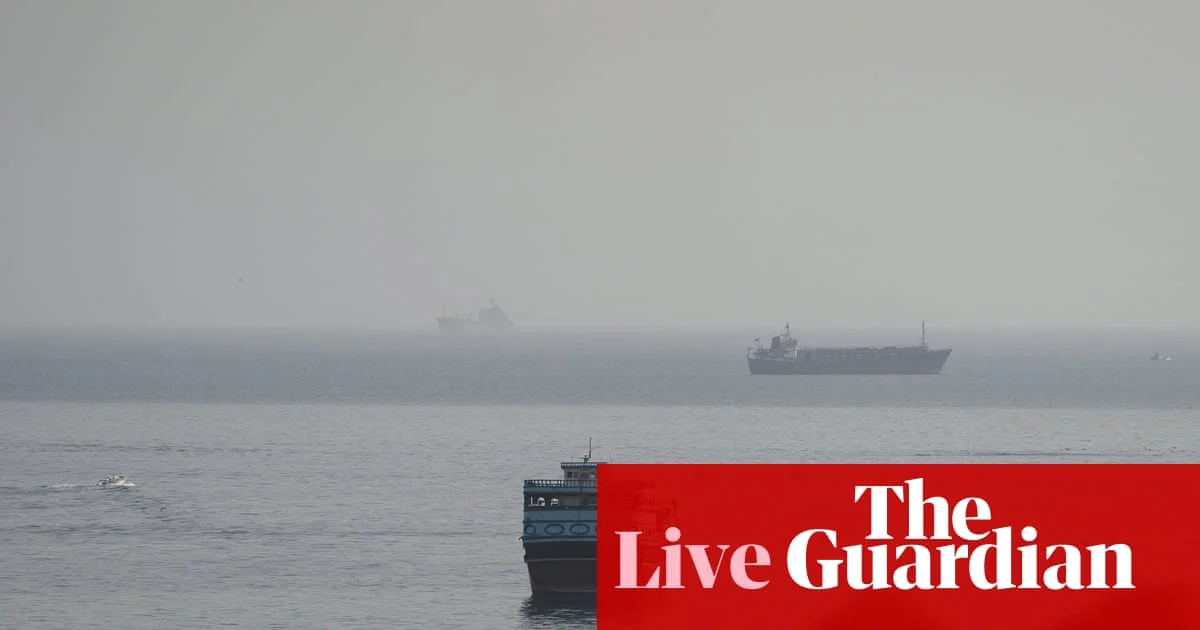
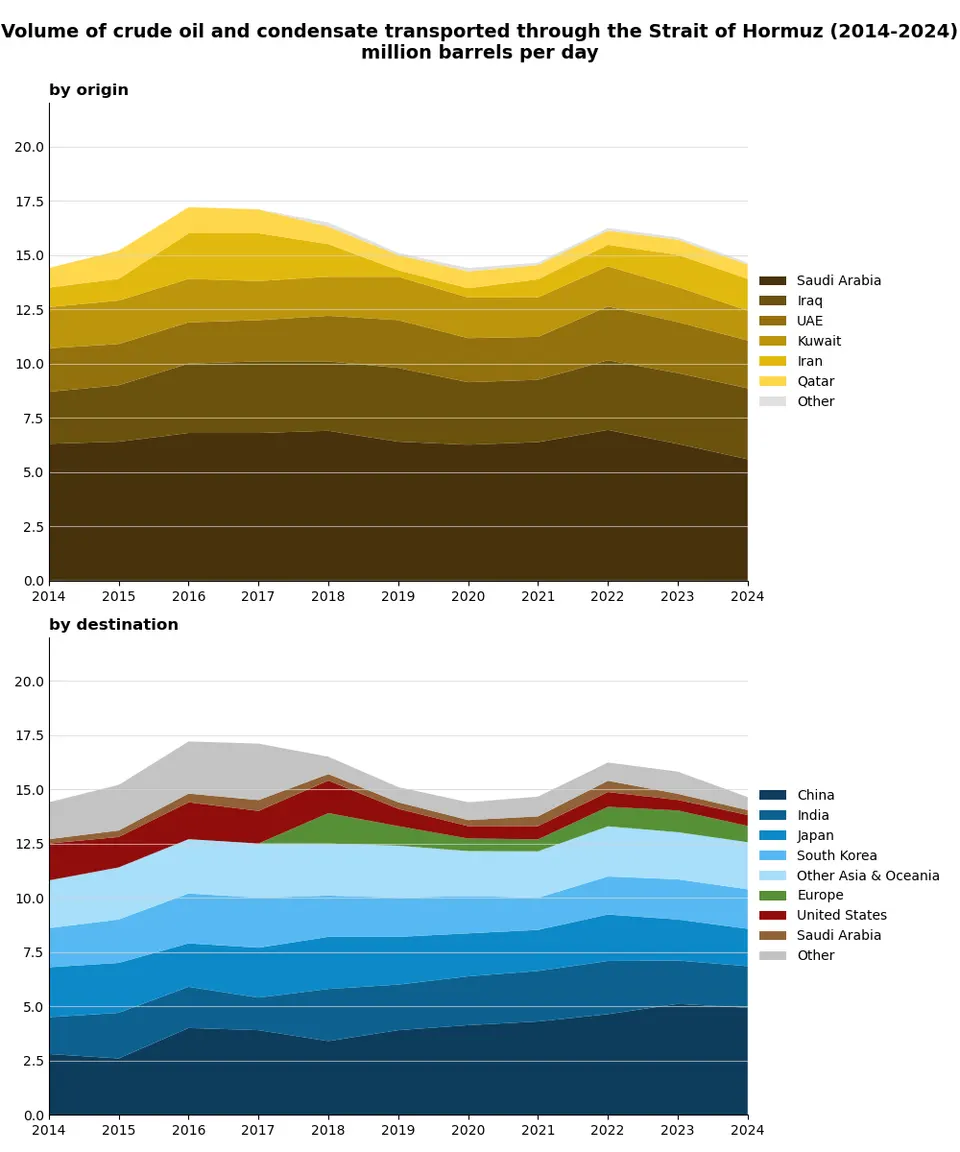
Iranian officials and Omani mediators are reportedly close to finalizing a deal regarding shipping coordinates through the Strait of Hormuz. According to reports from Tehran, the proposed agreement would grant Iran significant control over inbound traffic, a move intended to stabilize the volatile waterway. This development comes as the Iranian Rial shows minor fluctuations; the USD moved from 187,300 to 187,400 Toman, a slight increase of 0.1%. While Iranian state media characterizes the deal as a victory for regional security, U.S. officials have already signaled they will not accept any arrangement that leaves the strategic chokepoint under unilateral Iranian control.
For the average Iranian citizen, these diplomatic maneuvers are closely tied to the cost of living and market stability. The price of gold has already reacted to the regional uncertainty, with 18k gold rising from 18,555,796 to 18,606,583 Toman (+0.3%), and the Emami coin climbing 0.5% to reach 185,000,000 Toman. If the deal successfully reduces the risk of maritime seizures or explosions, it could provide a temporary ceiling for the dollar; however, the lack of Western recognition for the deal suggests that the underlying geopolitical risk remains high, keeping investors on edge.
Market Divergence: Nintendo’s Windfall and SanDisk’s Warning
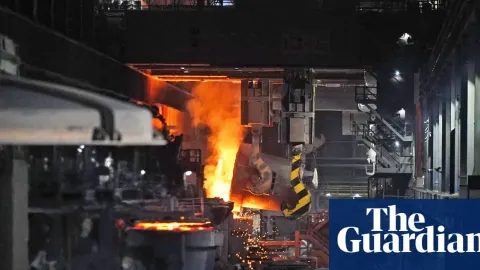
In the global equity markets, two major tech stories are dominating the narrative. Nintendo reported a staggering 53.5% jump in quarterly profits, reaching ¥147.4 billion. Interestingly, this surge was not driven by a new console release, but rather by a long-awaited refund on tariffs previously imposed during the Trump administration. This massive cash injection has allowed the Japanese gaming giant to significantly beat analyst forecasts, even as overall hardware sales have begun to cool. It highlights how legacy trade policy decisions continue to ripple through the balance sheets of multinational corporations years after their implementation.
Conversely, the semiconductor sector is facing renewed pressure. SanDisk shares slumped 9% in premarket trading after the company issued disappointing guidance for its NAND flash chip business. Analysts suggest that while AI-driven demand is booming for high-end processors, the broader market for consumer storage and memory is struggling with oversupply and softening prices. This divergence shows that the "AI rally" is not a rising tide that lifts all boats; companies tied to traditional consumer hardware are finding the current economic environment increasingly difficult to navigate.

Energy and Geopolitics: Europe’s Cold Winter and West Bank Tensions
As the Northern Hemisphere looks toward winter, Europe’s energy security is looking increasingly precarious. EU natural gas storage levels have hit their lowest point for this time of year since 2011, currently sitting at just 57% capacity. The Middle East crisis has severely tightened the global LNG market, preventing the usual summer replenishment of reserves. With storage well below the 70% level seen last year, energy analysts are warning of potential price spikes that could further strain European economies and complicate the global fight against inflation.
In Washington, the geopolitical focus has shifted toward the West Bank, where top Democrats have issued a scathing letter to the administration. They accuse officials of creating a "climate of impunity" by lifting sanctions on extremist settlers, which they claim has led to unbridled violence against Palestinians and U.S. citizens alike. This internal political pressure suggests a growing rift within the U.S. government regarding Middle East policy, which could have long-term implications for regional stability and the broader diplomatic landscape in which Iran and its neighbors operate.

Watch
Iran and Oman 'close to deal' on Hormuz... but not with the US • FRANCE 24 English
FRANCE 24 English
Frequently Asked Questions
How does the Iran-Oman deal affect the price of the US Dollar in Tehran?
Why did Nintendo's profit increase despite a drop in overall sales?
What is causing the gas storage crisis in Europe right now?
Topics
Related Articles