Houthi Strike Hits Saudi Refinery as Tehran Hardens Hormuz Blockade Terms
حمله پهپادی حوثیها به پالایشگاه عربستان و اتمام حجت تهران برای بازگشایی هرمز
Regional tensions escalated this Sunday as Iran-aligned Houthi forces claimed a drone strike on a Saudi refinery, while Tehran's leadership demanded the lifting of US naval blockades and the release of frozen assets as a prerequisite for reopening the Strait of Hormuz.
At time of publishing
USD
186,200
Toman
Gold 18K
18.81M
Toman / gram
Bitcoin
$65,188
US Dollar
Tether
185,829
Toman
Houthi Drone Strike Targets Saudi Refinery Amid Regional Escalation
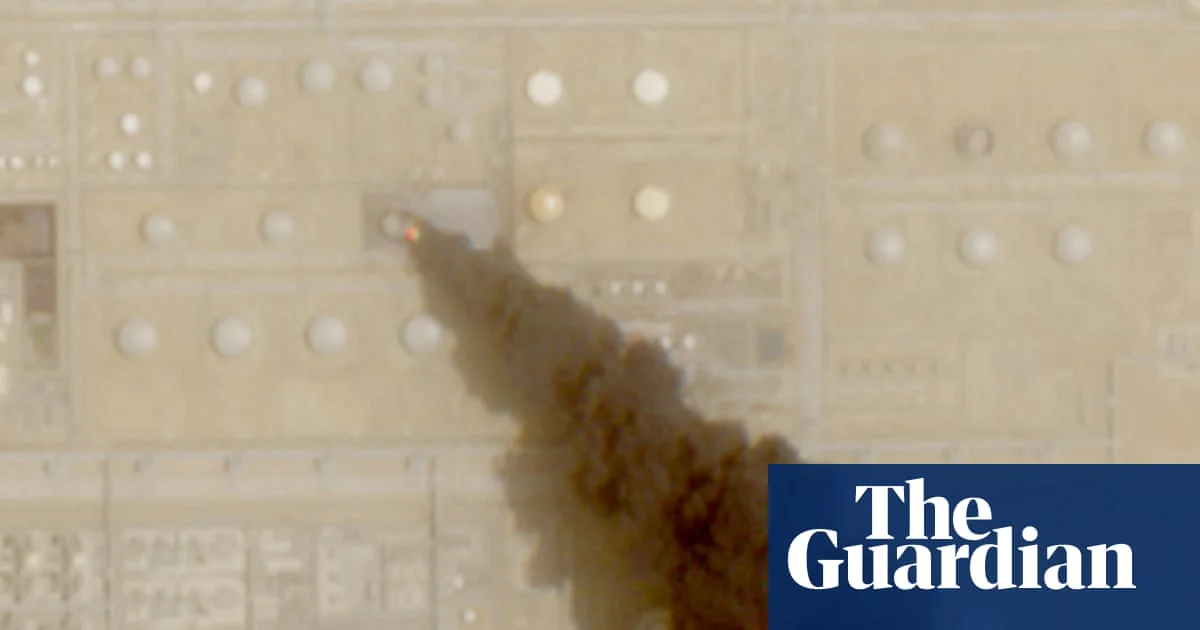
In a significant escalation of regional hostilities, Yemen’s Iran-aligned Houthi movement claimed responsibility for a drone strike on a Saudi Arabian oil refinery early Sunday. This attack comes at a sensitive geopolitical juncture, just two days after Riyadh signed a major tripartite defense pact with Turkey and Pakistan. The strike appears designed to signal that despite new security alliances, Saudi energy infrastructure remains vulnerable to the asymmetric capabilities of the 'Axis of Resistance.' While Saudi authorities have yet to provide a full damage assessment, the incident has already sent ripples through regional energy security circles, highlighting the fragility of the current stalemate.
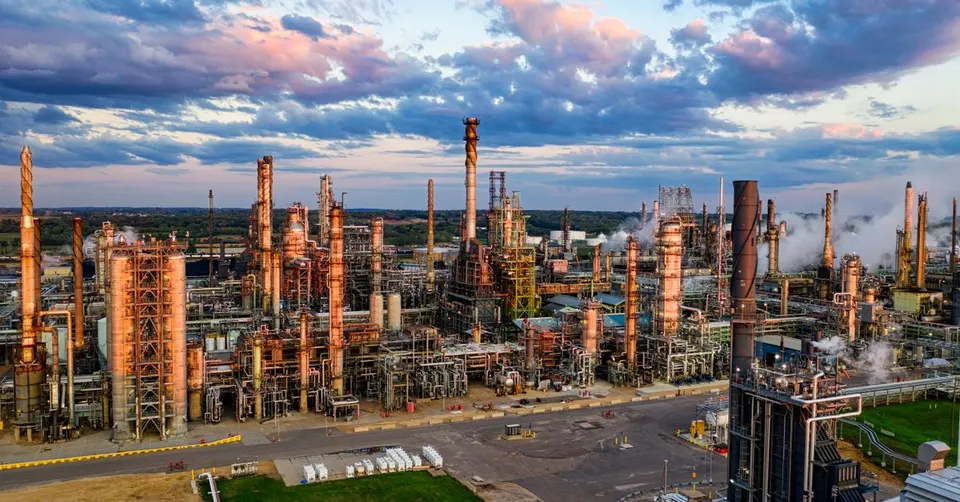
This development is inextricably linked to the broader confrontation between Tehran and Washington. The Houthis’ timing coincides with Iran’s increasingly rigid stance regarding maritime passage in the Persian Gulf. By targeting Saudi downstream assets, the group is effectively reinforcing Tehran’s message that there will be no regional stability until Iran’s economic and security demands are met. For global markets, this represents a persistent risk premium on crude oil, as the threat of supply disruptions moves from theoretical rhetoric to kinetic action on the ground.
The Hormuz Deadlock: Tehran Demands Billions in Reparations
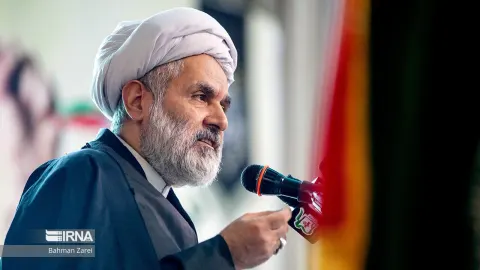
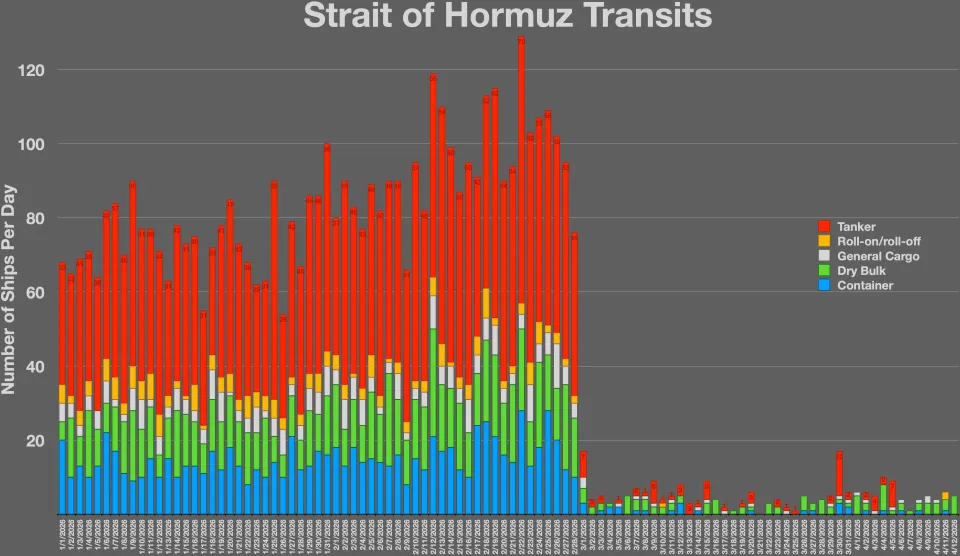
Domestically, the Iranian leadership has doubled down on its control of the world’s most vital energy chokepoint. Ayatollah Sadegh Amoli Larijani, Chairman of the Expediency Discernment Council, stated today that Iran will not retreat from its current position in the Strait of Hormuz. According to Iranian state media, Larijani emphasized that any return to 'previous conditions' or free passage is strictly contingent on the United States complying with the terms of the Islamabad Memorandum of Understanding. This includes the total lifting of the US naval blockade on Iranian ports and the immediate release of billions of dollars in frozen assets.
These hardline demands have directly impacted local market sentiment. In Tehran's open market, the USD/IRR exchange rate moved from 186,000 to 186,200, a modest but telling +0.1% increase that reflects the 'wait-and-see' anxiety of traders. Gold prices followed a similar upward trajectory, with 18k gold rising from 18,758,945 to 18,814,349 Toman per gram (+0.3%). The market is clearly pricing in the reality that a diplomatic breakthrough is not imminent, as Tehran views the blockade of the Strait as its primary lever of influence against Western economic pressure.
Chinese EV Surge Tests European Trade Patience
While the Middle East grapples with security crises, a different kind of war is brewing in the global economy: the battle for the future of the automotive industry. New data reveals that Chinese electric vehicle (EV) sales in Europe have surged to a record high, now accounting for 14% of the total market. This growth is particularly aggressive in the United Kingdom and Italy, where competitive pricing and strong supply chains have allowed Chinese manufacturers to undercut domestic European brands. The surge comes despite mounting allegations from Brussels that these vehicles are being 'dumped' into the market with the help of heavy state subsidies from Beijing.
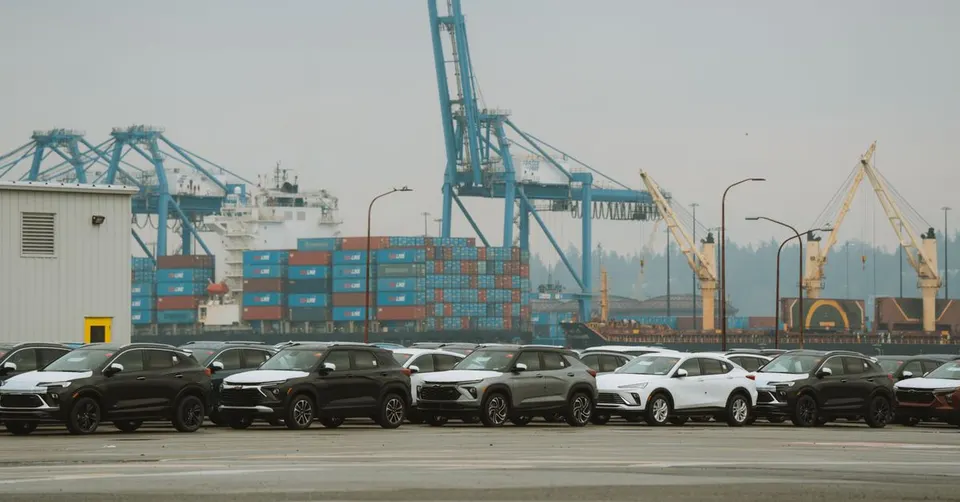
This economic expansion is forcing European policymakers into a difficult corner. On one hand, the European Union is committed to a green transition that requires affordable EVs; on the other, the rapid influx of Chinese imports threatens the survival of the continent’s legacy automakers. There is now growing momentum within the EU to implement higher tariffs or strict import quotas to protect local jobs. For the global economy, this tension signals a shift toward protectionism, which could eventually impact trade relations far beyond the automotive sector, potentially influencing how countries like Iran navigate their own trade dependencies on China.
Wildfires and Global Risk: 18,000 Evacuated in Canada
Adding to the global sense of volatility, a massive wildfire in British Columbia, known as the Bald Range fire, has forced the emergency evacuation of 18,000 people. The blaze has already consumed over 25,000 acres, at one point spreading at a terrifying rate of 2,000 acres per hour. This environmental catastrophe is not just a local tragedy; it serves as a stark reminder of the increasing frequency of 'black swan' climate events that disrupt global logistics and put additional strain on government resources already stretched thin by geopolitical conflicts.
For investors and observers, these disparate events—from drone strikes in the desert to wildfires in the Canadian wilderness—contribute to an overarching narrative of instability. Whether it is the physical security of oil refineries or the environmental security of major Western provinces, the 'risk-off' sentiment is becoming the default position for 2026. This is reflected in the steady demand for safe-haven assets like gold, which currently sits at a staggering $4,343.30 per ounce, as traditional currencies and markets face unprecedented multi-front challenges.
Frequently Asked Questions
How does the Houthi strike on the Saudi refinery affect the Iranian Toman?
What are the specific conditions Iran has set for reopening the Strait of Hormuz?
Why is the surge in Chinese EV sales in Europe significant for global trade?
The Strait of Hormuz: Global Energy's Critical Chokepoint
The Strait of Hormuz is not merely a narrow body of water; it is arguably the most critical maritime chokepoint for global energy supplies, connecting the Persian Gulf to the open ocean. Situated between Iran and Oman, this strategic waterway is only about 21 nautical miles (39 kilometers) wide at its narrowest point, yet through its shipping lanes passes a staggering volume of the world's oil. Understanding its significance is crucial for comprehending international energy markets and geopolitical tensions in the Middle East.
Approximately one-fifth of the world's total petroleum liquids consumption and one-third of the world's liquefied natural gas (LNG) transits through the Strait of Hormuz. This includes nearly all the oil exports from Saudi Arabia, Iran, Iraq, Kuwait, Qatar, and the United Arab Emirates. Any disruption, even a minor one, can send shockwaves through global energy markets, leading to sharp spikes in oil and gas prices and potentially destabilizing the world economy. Its role as an indispensable conduit for such vital resources makes it a constant focal point of international concern.
The geopolitical implications of the Strait of Hormuz are profound. Iran has historically threatened to close the strait in response to international pressure or sanctions, a move that would have catastrophic consequences for global trade and energy security. Such threats, like those alluded to in the headline's mention of "Tehran Hardens Hormuz Blockade Terms," underscore the region's volatility. The presence of international naval forces, including the U.S. Fifth Fleet, in the Persian Gulf is largely aimed at ensuring the freedom of navigation through this vital passage, highlighting its military and diplomatic importance alongside its economic role.
Ultimately, the Strait of Hormuz serves as a potent symbol of global interdependence and vulnerability. Its continued open and secure passage is paramount not just for the oil-producing nations of the Middle East, but for every country reliant on stable energy supplies to fuel its economy. Understanding this chokepoint is key to grasping the intricate web of energy, economics, and international relations.
Strait of Hormuz
en.wikipedia.org
World Oil Transit Chokepoints - U.S. Energy Information Administration (EIA)
eia.gov
Strait of Hormuz: The World's Most Important Oil Chokepoint - Investopedia
investopedia.com
Explainer: Why the Strait of Hormuz is so important for global oil supplies - Reuters
reuters.com
Topics
Related Articles