Netanyahu Defies Trump’s Gaza Plan as Hormuz Reopening Hinges on US Naval Withdrawal
سرپیچی نتانیاهو از طرح صلح ترامپ؛ بازگشایی تنگه هرمز در گرو عقبنشینی دریایی آمریکا
Israeli PM Netanyahu has flatly rejected a US-backed 15-point peace plan, insisting on total Hamas disarmament before any withdrawal. Meanwhile, Tehran signals that a deal with Oman to reopen the Strait of Hormuz is close, but only if the US lifts its regional naval blockade.
At time of publishing
USD
186,000
Toman
Gold 18K
18.81M
Toman / gram
Bitcoin
$64,893
US Dollar
Tether
185,699
Toman
Netanyahu Rejects Trump’s Peace Vision
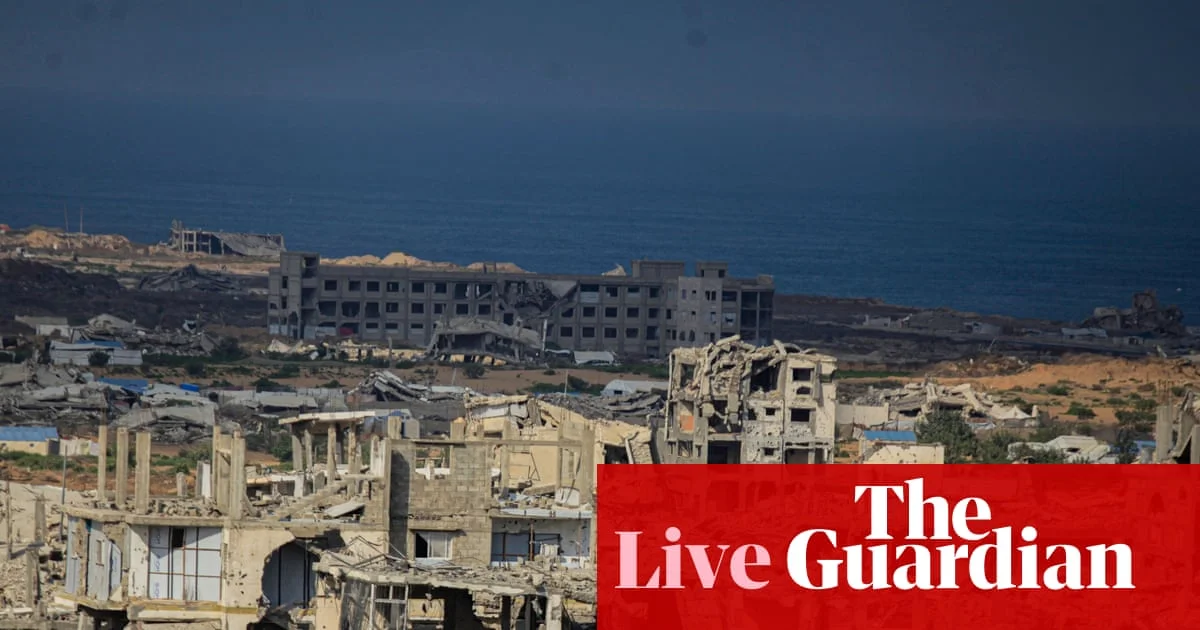
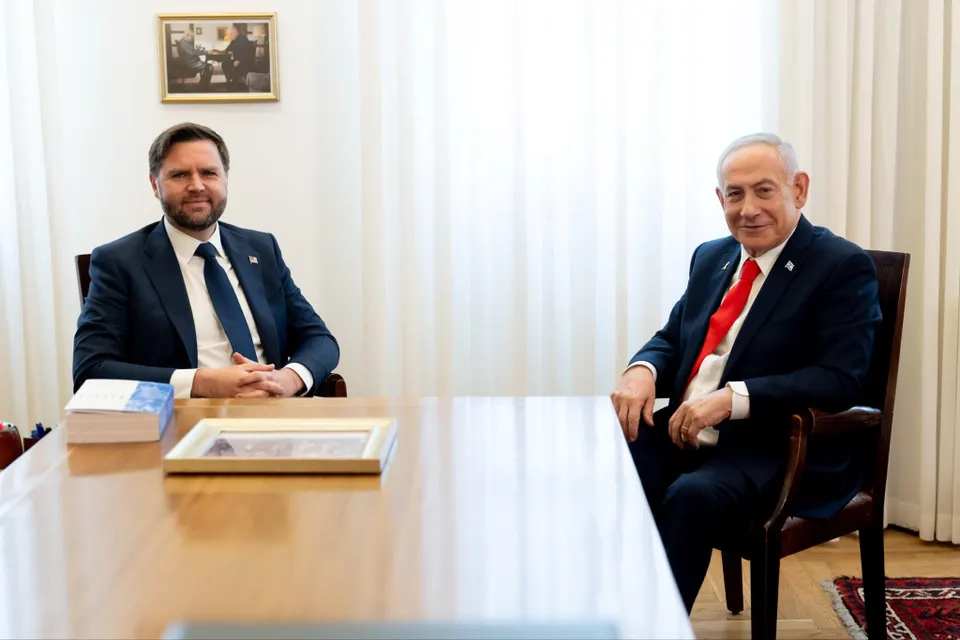
In a move that has sent shockwaves through diplomatic circles, Israeli Prime Minister Benjamin Netanyahu has officially rejected the 15-point Gaza peace plan previously endorsed by US President Donald Trump. Netanyahu’s stance is unwavering: there will be no Israeli military withdrawal from the Gaza Strip until Hamas is “genuinely” disarmed. This rejection creates a significant rift between the Israeli leadership and the Trump administration’s 'Board of Peace,' which had framed the plan as a definitive roadmap to ending the conflict. The prime minister's refusal to align with Washington suggests a prolonged military presence in the Palestinian territories, effectively stalling international hopes for a swift de-escalation.
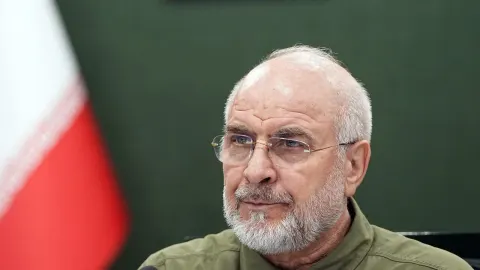
From Tehran’s perspective, President Masoud Pezeshkian has characterized the current geopolitical climate as a position of strength for Iran. In statements carried by state-affiliated media, Pezeshkian claimed that Iran is currently in its most 'victorious and powerful' state, suggesting that the domestic cohesion and regional influence of the Islamic Republic make this the optimal time for negotiations with the West—on Iran's terms. This rhetorical posturing indicates that while the US and Israel struggle to find common ground on Gaza, Tehran is attempting to project an image of stability and readiness to capitalize on the regional deadlock.
This development is critical for global markets because it keeps the 'war premium' firmly attached to energy prices and regional currencies. For Iranian readers, the continued stalemate in Gaza means that the high-risk environment for the Toman is unlikely to dissipate soon. As long as the threat of expanded conflict remains, the domestic market will likely remain in a state of defensive coiling, with investors hesitant to move away from safe-haven assets like gold and hard currency.
The Strait of Hormuz: A Deal with Strings Attached
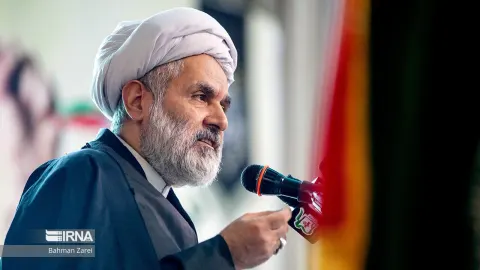
Negotiations between Iran and Oman regarding the reopening of the Strait of Hormuz have reached what Tehran describes as their 'final stages.' However, the path to a clear waterway is far from simple. Iran has introduced a new set of aggressive conditions, demanding that the United States lift its naval blockade of the strait and Iranian ports. Furthermore, Tehran is insisting on the complete withdrawal of US military forces from the immediate area and financial compensation for what it calls violations of the June agreement. These demands highlight Iran's strategy of using the world's most vital energy chokepoint as a primary lever in its broader standoff with Washington.
Oman, acting as the primary intermediary, has condemned recent attacks on vessels in the strait without explicitly naming Iran as the perpetrator. While Omani officials described the talks as 'positive and constructive,' the gap between Iranian demands and US security interests remains vast. The UAE has recently accused Iran of attacking a carrier affiliated with its state oil company, adding another layer of friction to an already volatile maritime environment. The complexity of these negotiations suggests that any 'reopening' of the strait may be conditional and subject to sudden reversals based on the progress of indirect US-Iran talks.
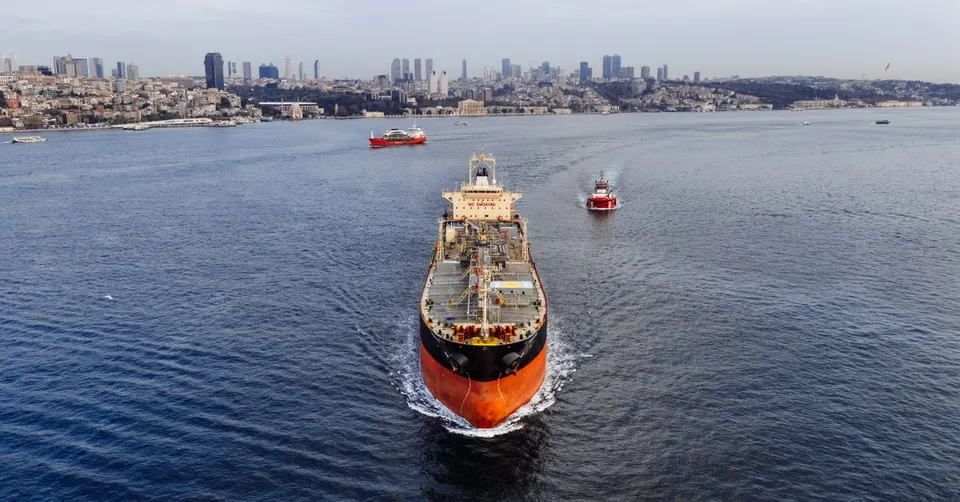
For the global economy, the status of the Strait of Hormuz is the single most important factor for oil price stability. For the Iranian public, a deal could mean a significant easing of economic pressure and a potential stabilization of the Toman. However, the requirement for a US naval withdrawal is a 'poison pill' that Washington is unlikely to swallow, meaning the current state of maritime tension—and the resulting high cost of shipping and insurance—is likely to persist through the coming weeks.
Bitcoin’s Failed Fork and Toman Market Stability
In the world of digital assets, the highly publicized BIP-110 Bitcoin branch has effectively stalled. After mining only two blocks, the breakaway chain has failed to attract sufficient hashpower to maintain its momentum. This failure stems from the fork inheriting Bitcoin’s full mining difficulty without the necessary computing power to sustain it, leaving the network in a state of paralysis. While the main Bitcoin chain remains stable, trading around $64,893, the failure of the BIP-110 fork serves as a reminder of the immense difficulty in challenging the established consensus of the original Bitcoin network.
Domestically, the Iranian market has shown a surprising degree of resilience at the 16:00 hour. The US Dollar (USD) remains flat at 186,000 Toman, showing no change over the last 24 hours despite the heavy geopolitical headlines. Gold 18k has seen a modest increase of 0.3%, moving from 18,758,945 to 18,814,349 Toman per gram. This lack of volatility in the currency market suggests that traders have already priced in much of the regional tension, or perhaps more likely, they are waiting for a definitive outcome from the Hormuz negotiations before taking major new positions.
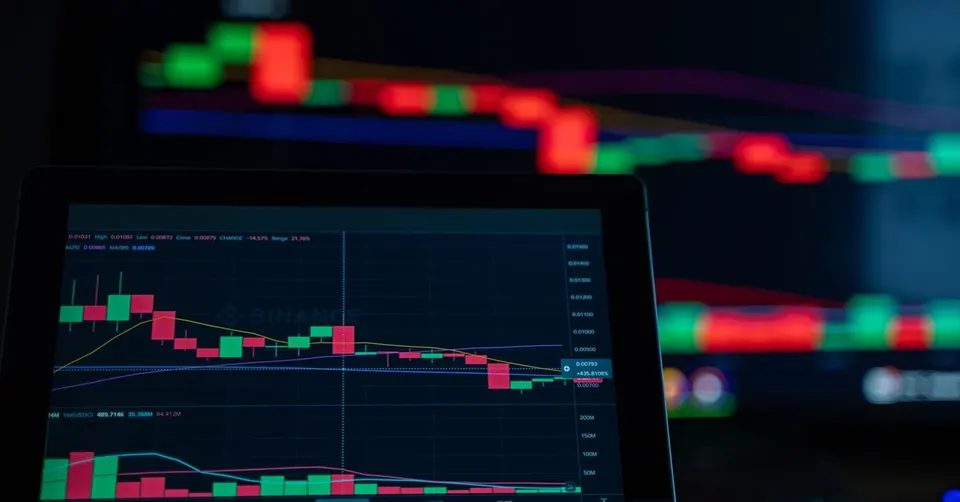
For the average investor, this period of 'sideways' movement in the Toman is a double-edged sword. While it provides a temporary reprieve from rapid inflation, it also signals a market that is 'waiting for the other shoe to drop.' If the Hormuz talks fail or if the Gaza conflict escalates further, the current stability at the 186,000 mark could be quickly shattered. For now, the focus remains on whether diplomatic channels can provide a breakthrough that the markets haven't yet accounted for.
Watch
Netanyahu rejects Donald Trump's Board of Peace plan for Gaza
Sky News
Frequently Asked Questions
Why did Netanyahu reject Trump's 15-point plan?
What are Iran's specific demands for reopening the Strait of Hormuz?
Why is the Toman stable despite such high geopolitical tension?
What happened to the Bitcoin BIP-110 fork?
The Strait of Hormuz: A Global Energy Chokepoint
The Strait of Hormuz is one of the most critical maritime passages on Earth, connecting the Persian Gulf to the Arabian Sea and the broader Indian Ocean. This narrow waterway, bordered by Iran to the north and Oman's Musandam Governorate to the south, is not just a geographical feature but a vital artery for global commerce, particularly for the international oil trade. Its strategic significance stems from its unique position as the sole sea passage for a substantial portion of the world's crude oil and liquefied natural gas (LNG) exports.
This makes the Strait of Hormuz a quintessential example of a "chokepoint" – a narrow maritime passage that serves as a critical bottleneck for global trade. For a chokepoint like Hormuz, any disruption, whether due to military conflict, political tension, or even a natural disaster, can have immediate and far-reaching consequences for global energy markets. The sheer volume of oil passing through – historically, over 20% of the world's petroleum liquids consumption – means that even minor incidents can trigger significant price spikes and raise concerns about energy security worldwide.
The geopolitical implications of the Strait of Hormuz are immense. Nations bordering the Strait, especially Iran, possess significant leverage due to their ability to threaten or control passage through this critical corridor. Discussions around "Hormuz Reopening" or "US Naval Withdrawal," as mentioned in the headline, underscore this leverage. A naval withdrawal could alter the balance of power, while "reopening" implies a previous closure or threat thereof, highlighting how the Strait can be used as a bargaining chip in international diplomacy, particularly concerning sanctions, regional security, and broader geopolitical disputes. Understanding this chokepoint is key to grasping many of the ongoing tensions in the Middle East.
Topics
Related Articles