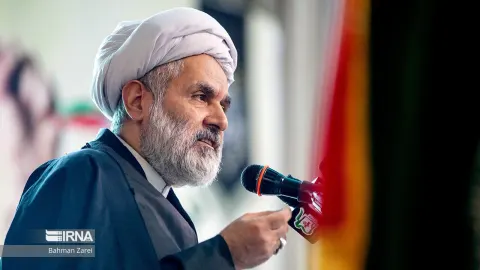
British Couple Ends Hunger Strike as Tehran Declares Hormuz 'Forever Changed'
پایان اعتصاب غذای زوج بریتانیایی در اوج تنشهای هرمز؛ هشدار تهران به بازارهای جهانی
A high-stakes hunger strike by two British nationals in Iran has ended after nearly 100 days, offering a rare moment of humanitarian relief. However, geopolitical tensions remain razor-sharp as Iranian officials warn the Strait of Hormuz will never return to its pre-war status, keeping the USD/IRR exchange rate pinned at 185,700.
At time of publishing
USD
185,700
Toman
Gold 18K
18.80M
Toman / gram
Bitcoin
$64,897
US Dollar
Tether
185,604
Toman
Diplomacy Amidst the Standoff: The Foreman Case
In a development that has captured international attention, the family of Craig and Lindsay Foreman, two British nationals held in Iran, confirmed today that the couple has ended their grueling hunger strike. Craig had refused food for 93 days, while Lindsay followed for 84 days, pushing their health to the absolute limit. While the cessation of the strike provides a momentary sigh of relief for diplomats in London, it does not necessarily signal an immediate breakthrough in their legal status. The Iranian judiciary has historically used such high-profile detentions as leverage in broader geopolitical negotiations, and the Foremans' decision to eat again likely follows intense behind-the-scenes consular pressure rather than a shift in official policy.
For the Iranian public and local markets, this story serves as a barometer for the 'risk premium' embedded in the Toman. Every time a diplomatic channel shows signs of life, there is a flicker of hope for sanctions relief or a de-escalation of the 'Shadow War.' However, the reality on the ground remains grim. The end of a hunger strike is a humanitarian win, but it does little to alter the structural deadlock between Tehran and the West. As long as these individuals remain behind bars, the threat of further diplomatic isolation continues to weigh heavily on the national currency, which currently sits at a sell rate of 185,700 Toman per USD.
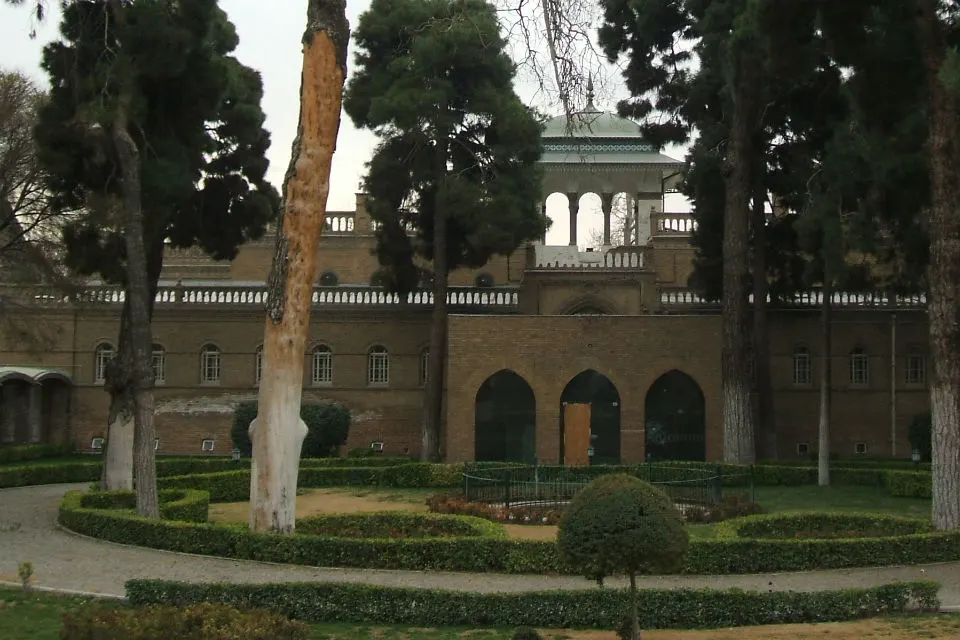
The 'New Normal' in the Strait of Hormuz
While humanitarian news trickles out of Tehran's prisons, the rhetoric from the Iranian Parliament suggests a permanent hardening of the regional security architecture. Deputy Speaker Ali Nikzad stated today that the Strait of Hormuz will not return to its 'pre-war status,' asserting that the United States and Israel must accept a new reality in the strategic waterway. This statement is a direct challenge to the global energy market, implying that the days of unfettered, low-risk transit through the world’s most important oil chokepoint are over. By framing the current militarization as a permanent shift, Tehran is effectively telling global markets to price in a permanent 'war tax' on crude oil and shipping insurance.
This hardening stance explains why the USD/IRR exchange rate has remained unchanged at 185,700 (+0.0%) over the last 24 hours despite minor diplomatic gestures elsewhere. Traders are looking past the headlines and focusing on the physical reality of the Strait. If the waterway is indeed entering a period of permanent volatility, the cost of imports into Iran will continue to climb, and the central bank's ability to defend the Toman will be further compromised. The market is currently in a 'wait-and-see' mode, with the 18k gold price edging up slightly to 18,802,807 (+0.2%) as investors seek local hedges against a potential flare-up.
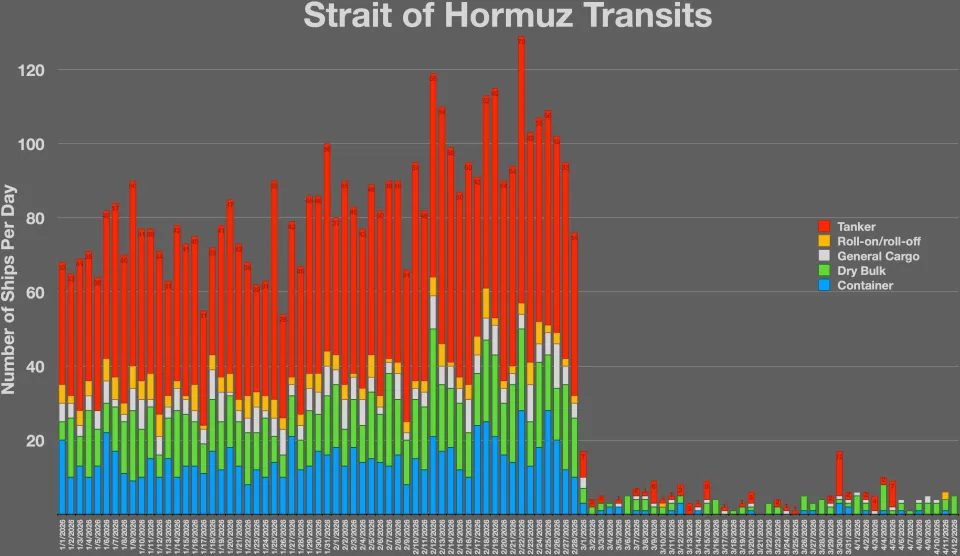
Deep Strikes and Digital Havens: Russia and Crypto
Beyond Iran's borders, the conflict in Eurasia has taken a deadly turn that ripples back to Middle Eastern stability. A massive Ukrainian drone strike on an industrial center in Tatarstan, Russia, has killed at least 13 people, marking one of the deepest and most lethal penetrations into Russian territory since the war began. As Russia is a key strategic partner for the Iranian establishment, any sign of vulnerability in Moscow’s industrial heartland creates anxiety in Tehran. The attack on Tatarstan proves that the 'rear' of the alliance is no longer safe, which could force a reallocation of military resources and potentially impact the supply chains that both nations have come to rely on to bypass Western sanctions.
Amidst this chaos, Bitcoin has once again emerged as the asset of choice for those fleeing regional instability. BTC is currently breaking past $64,897, flirting with the $65,000 resistance level as global hedge funds begin to bet on a sustained rally. In Iran, the USDT (Tether) price mirrors the official USD rate at 185,604 Toman, providing a digital exit ramp for local capital. While Emami coins saw a minor dip of 0.3% to 186,500,000 Toman, the broader trend shows a migration toward liquid, global assets. Investors are increasingly wary that the combined pressure of the Hormuz standoff and the escalating drone war in Russia will eventually break the current price floor of the Toman.
Frequently Asked Questions
Why did the British couple end their hunger strike now?
What does 'no return to pre-war status' for the Strait of Hormuz mean for oil prices?
How is the Ukrainian strike on Tatarstan relevant to the Iranian economy?
The Strait of Hormuz: A Global Geopolitical Chokepoint
The Strait of Hormuz, a narrow waterway connecting the Persian Gulf to the Arabian Sea, is arguably the world's most critical oil chokepoint. At its narrowest point, it is only about 21 nautical miles (39 kilometers) wide, yet it serves as the sole maritime passage for a substantial portion of the world's crude oil and liquefied natural gas (LNG) exports. Its strategic significance stems from its geographic position, bordered by Iran to the north and Oman and the United Arab Emirates to the south, making it a focal point for regional and international power dynamics.
Each day, millions of barrels of oil, representing a significant percentage of global seaborne oil trade, transit through this strait. This makes the Strait of Hormuz indispensable for global energy security and the stability of international oil prices. Any disruption, whether due to military conflict, political tensions, or blockades, has immediate and far-reaching consequences for the world economy, potentially triggering energy price spikes, supply shortages, and significant geopolitical crises.
Historically, the Strait has been a flashpoint for international incidents and military confrontations, particularly involving Iran. Tehran views control over the Strait as a key strategic asset and a potential lever in its foreign policy and defense strategy. Consequently, major global powers, heavily reliant on the uninterrupted flow of oil and gas, maintain a significant naval presence in the region to safeguard shipping lanes and deter potential threats, underscoring the Strait's role as a perpetual geopolitical hotspot.
Understanding the Strait of Hormuz isn't just about geography; it's about grasping the intricate web of energy economics, international security, and regional politics. Its status as a vital chokepoint means that statements or actions concerning its future, such as declarations of it being "forever changed," carry immense weight, signaling potential shifts in global trade routes, energy policy, and the balance of power in one of the world's most volatile regions.
Topics
Related Articles