Pezeshkian Claims 'Enemy' AI Plots Thwarted; Oil Longs Shrink Despite Hormuz Standoff
ادعای پزشکیان درباره شکست توطئههای هوش مصنوعی؛ عقبنشینی معاملهگران نفت در سایه بحران هرمز
President Pezeshkian asserts that foreign plots using AI and spy networks have been neutralized, while global oil traders scale back bullish bets despite the ongoing Strait of Hormuz standoff. Meanwhile, a major cyberattack on Ceva Logistics has compromised data across the global shipping and retail sectors.
At time of publishing
USD
186,000
Toman
Gold 18K
18.80M
Toman / gram
Bitcoin
$64,763
US Dollar
Tether
185,685
Toman
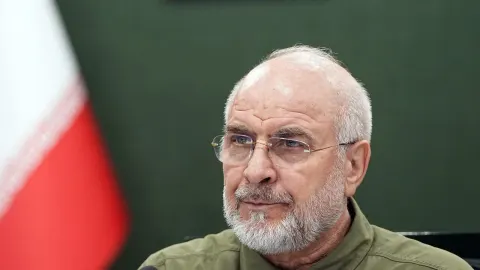
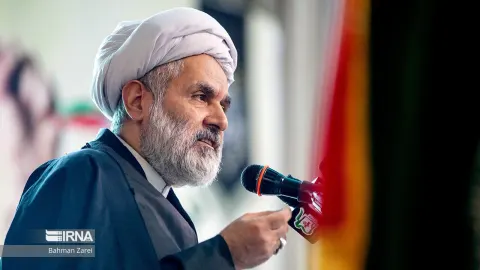
Pezeshkian Claims AI-Powered 'Enemy' Calculations Foiled
President Masoud Pezeshkian addressed the nation today, claiming that sophisticated efforts by foreign intelligence services to destabilize the Islamic Republic have been successfully neutralized. According to state media reports, Pezeshkian highlighted that "enemies" had integrated artificial intelligence and extensive spy networks to orchestrate internal insecurity and economic pressure. He suggested that these digital and human-intelligence-driven plots were designed to cause a total collapse of the state, but ultimately failed due to the vigilance of Iranian security apparatuses.
This rhetoric comes at a time when the Iranian administration is under immense pressure to stabilize the domestic economy and manage the fallout from the Strait of Hormuz standoff. By framing the opposition as a technologically advanced "enemy," the government attempts to shift focus from systemic internal failures to external threats. For the average Iranian citizen, such statements often signal a tightening of domestic security measures and potential further restrictions on internet access under the guise of "thwarting AI-driven plots."
Oil Markets Retreat as Bullish Bets Shrink
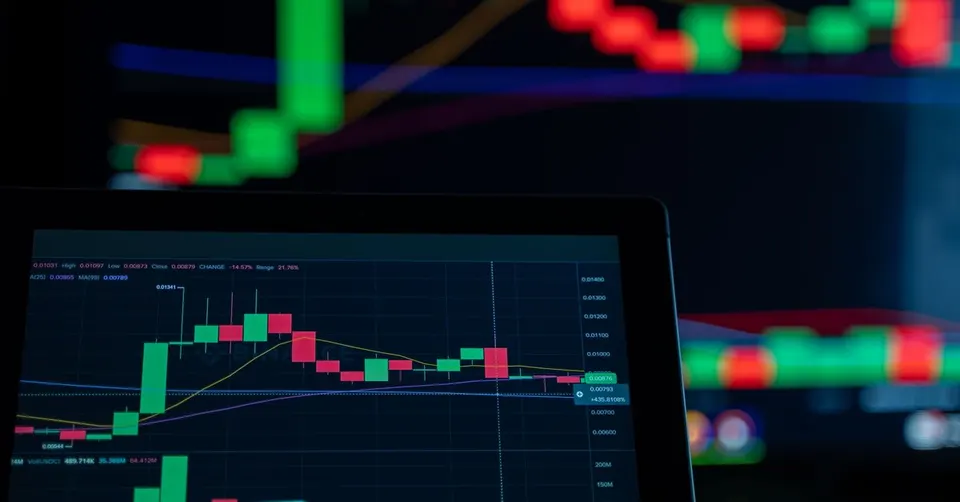
Despite the persistent geopolitical risk surrounding the Strait of Hormuz, the latest Commitment of Traders (COT) data reveals a surprising trend: money managers are slashing their bullish bets on crude oil. For the second consecutive week, net long positions in both Brent and WTI have declined. Specifically, net longs in ICE Brent fell by 11%, or over 20,000 lots. This suggests that the "war premium" is beginning to evaporate as global traders prioritize demand concerns and high interest rates over the threat of regional supply disruptions.
This retreat in oil speculation occurs even as the domestic USD/IRR rate in Tehran ticked up slightly. The US Dollar moved from 185,700 to 186,000 Toman (+0.2%), while Gold 18k rose from 18,763,562 to 18,802,807 Toman (+0.2%). The disconnect between global oil sentiment and local currency volatility highlights the unique pressures on the Toman; while global markets may be pricing in a stalemate in the Gulf, the Iranian market remains sensitive to every diplomatic tremor. If oil prices continue to soften, the Iranian government's revenue projections could face a significant shortfall, further straining the national budget.
Cyber Crisis Hits Global Logistics as SpaceX Faces Backlash
The global shipping industry is on high alert following a massive data breach at Ceva Logistics. The attack has reportedly compromised sensitive information across a wide spectrum of clients, including major banks, retailers, and even gaming platforms like Steam. This breach underscores the extreme vulnerability of global supply chains to cyber warfare, where a single point of failure in a logistics provider can expose the data of millions of end-users. For businesses and consumers alike, it serves as a stark reminder that physical goods movement is now inextricably linked to digital security.
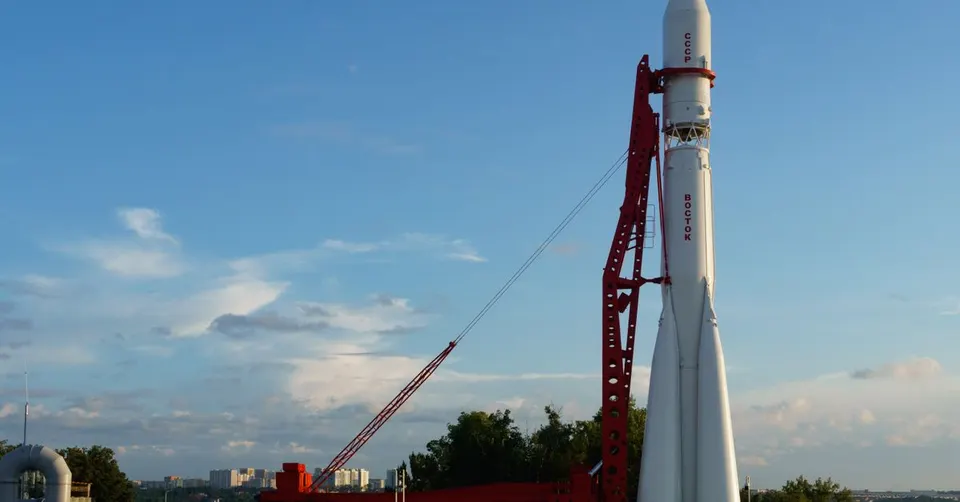
Simultaneously, Elon Musk's SpaceX is facing significant local opposition in Louisiana over plans to build a massive rocket launch site on Pecan Island. Environmentalists and local residents fear the 130,000-acre project will devastate the state's fragile, eroding coastline. As SpaceX pushes to expand its launch frequency and deploy AI data centers in orbit, the friction between technological ambition and ecological preservation is reaching a boiling point. These developments show that the next frontier of corporate expansion—whether in the digital cloud or outer space—faces growing regulatory and social hurdles that could delay multi-billion dollar infrastructures.
Media Regulation and Climate Risks in Europe
In the United Kingdom, the media regulator Ofcom has launched an investigation into GB News following a guest's controversial remarks linking Pride parades to criminal activities. The segment drew over 12,000 complaints, setting a potential record for the regulator. This move signals an intensifying crackdown on broadcast standards in a polarized political climate, where regulators are increasingly caught between protecting free speech and preventing the spread of harmful rhetoric. For media companies, this represents a growing compliance risk that could lead to heavy fines or license revocations.
Meanwhile, in Spain, authorities have issued urgent warnings as hundreds of thousands of people prepare to view a total solar eclipse. The influx of visitors to rural areas coincides with extreme drought conditions, raising the risk of "devastating" wildfires. Environment Minister Sara Aagesen noted that the vegetation is "extraordinarily dry," meaning even a small spark from a tourist's campfire or vehicle could ignite an uncontrollable blaze. This situation highlights how climate change is now dictating the logistics of major cultural and astronomical events, forcing governments to prioritize disaster management over tourism revenue.
Frequently Asked Questions
Why are oil traders reducing bullish bets despite the Hormuz crisis?
What does Pezeshkian's mention of 'AI-driven enemy plots' imply for Iran?
How does the Ceva Logistics data breach affect individual consumers?
The Strait of Hormuz: A Global Oil Chokepoint
The Strait of Hormuz is arguably the world's most critical oil transit chokepoint, a narrow waterway connecting the Persian Gulf with the Arabian Sea and the broader Indian Ocean. Situated between Oman and Iran, its strategic importance stems from its geography: at its narrowest point, it is only about 21 nautical miles (39 kilometers) wide, with the shipping lanes for oil tankers just two miles wide in each direction. This geographical constraint makes it highly vulnerable to disruption, yet indispensable for global energy supply.
Each day, a staggering volume of crude oil and liquefied natural gas (LNG) passes through the Strait, accounting for approximately one-fifth of global petroleum consumption and a significant portion of the world's LNG trade. This flow includes exports from major producers such as Saudi Arabia, Iran, Iraq, Kuwait, Qatar, and the United Arab Emirates. With limited viable alternative routes for these vast quantities of energy, any impediment to transit through Hormuz has immediate and far-reaching implications for international energy markets and global economies.
The geopolitical sensitivity of the Strait of Hormuz is perpetually high. Tensions involving regional actors or international powers can quickly escalate, leading to threats of closure or actual disruptions to shipping. Such events, or even the credible threat of them, can trigger significant volatility in oil prices, creating a "risk premium" where buyers pay more due to perceived supply insecurity. This vulnerability underscores why global powers closely monitor developments in the region, recognizing that stability in the Strait is paramount for economic security worldwide.
Understanding the Strait of Hormuz is crucial for comprehending global energy economics and geopolitics. Its role as an essential conduit for a vast portion of the world's energy supply means that events ranging from military standoffs to cyber threats aimed at disrupting logistics can have cascading effects, influencing everything from gasoline prices at the pump to the strategic calculations of nations dependent on imported oil.
Topics
Related Articles