Greenland Rebukes Trump-Linked Oil Firm; Toman Steadies as Global Stocks Face 'August Crash-up'
هشدار تند گرینلند به شرکت نفتی نزدیک به ترامپ؛ ثبات نسبی تومان در میانه تلاطم بازارهای جهانی
Tensions flare in the Arctic as Greenland issues a warning to a Texas oil company linked to Donald Trump, while the Iranian Toman shows minor fluctuations amid a bizarre 'crash-up' in global equity markets.
At time of publishing
USD
185,400
Toman
Gold 18K
18.79M
Toman / gram
Bitcoin
$63,855
US Dollar
Tether
186,498
Toman
Arctic Sovereignty vs. Trump’s Oil Ambitions
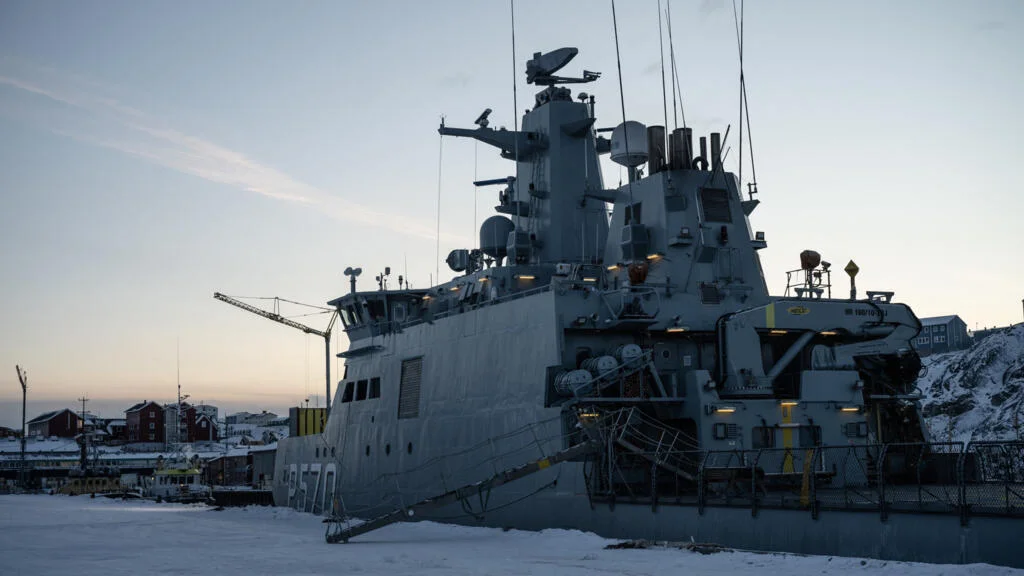
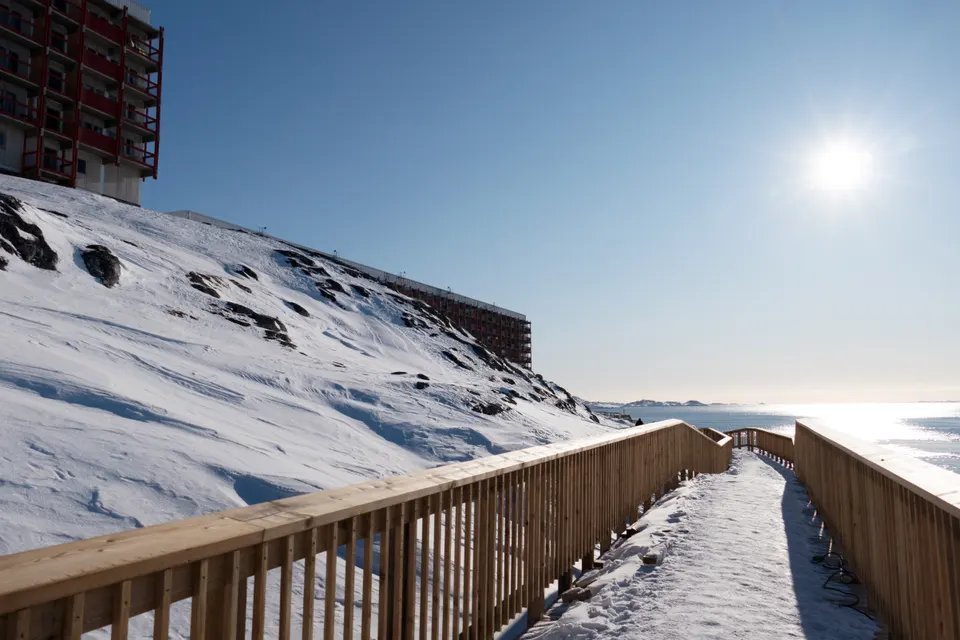
The government of Greenland has issued a sharp, "strong warning" to a Texas-based oil company with close ties to former U.S. President Donald Trump. The dispute erupted after the company reportedly moved exploratory drilling equipment onto Greenland’s shores without obtaining the necessary regulatory approvals from authorities in Nuuk. This incident highlights a growing friction between local sovereignty and the aggressive energy expansionism that has become a hallmark of the Trump-aligned business sphere. For Greenland, the move is seen as an affront to its environmental protocols and its right to manage its own natural resources, forcing the autonomous territory to walk a precarious tightrope between maintaining diplomatic relations with Washington and resisting perceived territorial overreach.
This development carries significant weight for global energy markets and, by extension, the Iranian economy. As Trump-linked entities push for more unilateral control over oil frontiers, the potential for supply shifts and geopolitical volatility increases. For Iranian observers, any move that signals a more aggressive U.S. energy policy often precedes shifts in sanctions enforcement or global oil pricing strategies. The standoff in the Arctic is not just about environmental permits; it is a signal of how a future U.S. administration might interact with international law and energy security, factors that directly influence the risk appetite of traders in the Tehran bazaar.
The 'August Crash-up' and Tehran’s Market Response
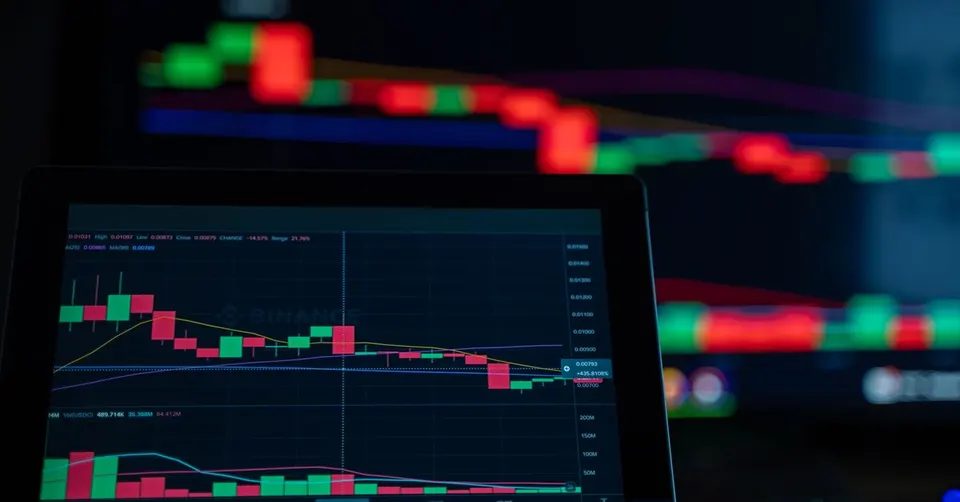
Global financial analysts are currently scratching their heads over what is being described as an "insane crash-up" in the stock market. After a period of extreme volatility in late July, stocks have jerked higher with such velocity that many institutional investors were left behind. This "melt-up" phase suggests that despite fears of a recession, liquidity is still finding its way into equities, creating a market environment that feels divorced from broader economic realities. This surge in global sentiment often acts as a double-edged sword for emerging and frontier markets, including Iran, where local investors must decide whether to follow global optimism or hedge against a sudden correction.
In the domestic market, the Iranian Toman has shown a degree of relative stability despite the global noise. According to the latest data, the USD sell rate moved from 185,700 to 185,400, marking a slight decrease of 0.2% over the last 24 hours. Meanwhile, Gold 18k per gram saw a marginal increase, rising from 18,763,562 to 18,791,264 (+0.1%). This minor decoupling suggests that local factors—including the ongoing regional tensions and the perceived health of the leadership—are currently outweighing the "crash-up" euphoria seen in New York or London. However, the Emami coin dropped by 0.3%, moving from 187,000,000 to 186,500,000, indicating a slight cooling in speculative demand for physical gold assets.
Environmental Crisis and the Global Supply Chain
While markets focus on oil and stocks, a silent crisis is unfolding across Europe as more than two-thirds of England has officially entered drought status. Regions such as the East Midlands and Kent are now under severe water restrictions as the continent braces for its fifth major heatwave of the summer. This environmental strain is no longer just a local concern; it has become a primary driver of global food inflation and supply chain disruptions. When major agricultural and industrial hubs face water shortages, the cost of production rises, eventually trickling down to the import costs for countries like Iran that rely on global commodities.
For the average consumer in Tehran, these European droughts might seem distant, but they are a fundamental part of the "sticky inflation" narrative. As global crop yields are threatened, the price of basic goods on the international market remains elevated, preventing a significant drop in the cost of living even if the Toman remains stable against the Dollar. The intersection of climate change and economics is becoming the most persistent risk factor for global stability, often acting as the underlying cause for the market volatility we see in energy and currency exchanges.
Nuclear Advancement Amid Regional Standoff
In a move that signals a deepening strategic alliance, Russia’s Rosatom has announced plans to quadruple its workforce at Iran’s Bushehr nuclear power plant. Despite the ongoing regional tensions and intermittent international pressure, the Russian state nuclear energy corporation is moving forward with the construction of two additional reactors, intending to increase its Russian staff from 25 to approximately 100 by this autumn. This expansion serves as a clear message that Moscow remains committed to its technical and strategic partnership with Tehran, regardless of the broader geopolitical climate or the "Hormuz crisis" that has occupied headlines recently.
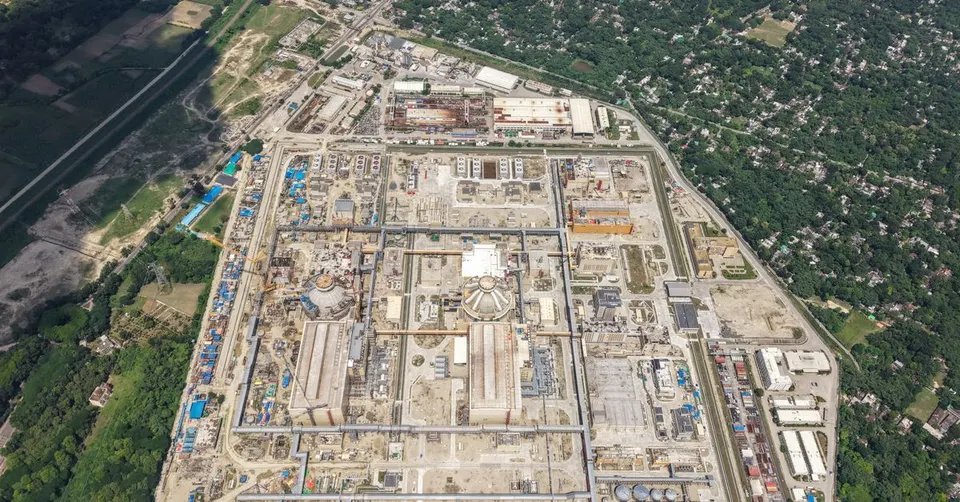
This workforce surge at Bushehr is more than just a construction update; it is a geopolitical statement of resilience. It suggests that Iran is successfully diversifying its infrastructure dependencies, ensuring that critical energy projects continue even under the threat of sanctions or regional conflict. For the Iranian public, the progress at Bushehr represents a long-term bet on energy security, though it also reinforces the country's alignment with Russia at a time when global blocs are becoming increasingly polarized. As these reactors move toward completion, they will fundamentally alter Iran’s domestic energy grid and its leverage in future international negotiations.
Frequently Asked Questions
Why did Greenland issue a warning to the Trump-linked oil company?
What is the 'August crash-up' in the stock market?
How is the drought in England affecting global markets?
What does the expansion of the Russian workforce at Bushehr mean for Iran?
The Geopolitics of Arctic Energy Resources
The Arctic, once a remote and largely inaccessible frontier, has rapidly emerged as a critical hotspot in global geopolitics, primarily driven by its vast, untapped energy resources and the accelerating impact of climate change. Beneath its melting ice caps lie an estimated 13% of the world's undiscovered oil and 30% of its undiscovered natural gas, making it a tempting prize for nations seeking to bolster their energy security and economic might. This immense potential, coupled with the opening of new shipping lanes as ice recedes, has transformed the region into a complex arena of international competition and cooperation.
The allure of Arctic energy stems from a confluence of factors: persistent global demand for hydrocarbons, the strategic advantage of securing new domestic supplies, and the sheer economic potential for extraction and export. However, exploiting these resources presents formidable challenges. The harsh environment, extreme weather conditions, and logistical complexities make exploration and extraction incredibly costly and technically demanding. Moreover, the fragile Arctic ecosystem faces significant environmental risks from potential oil spills or industrial activity, leading to strong opposition from environmental groups and indigenous communities.
This pursuit of Arctic wealth involves a diverse array of actors. The eight Arctic nations – Canada, Denmark (via Greenland), Finland, Iceland, Norway, Russia, Sweden, and the United States – assert varying claims over territorial waters and exclusive economic zones, often leading to overlapping interests and potential disputes. Beyond these, non-Arctic states like China have also expressed strategic interests, viewing the region as vital for future trade routes and resource access. The recent dispute involving a Trump-linked oil firm and Greenland underscores the intricate balance between national sovereignty, corporate interests, and the broader implications for global energy security and environmental stewardship.
Understanding the geopolitics of Arctic energy is crucial for grasping contemporary international relations. It highlights how resource scarcity, technological advancements, and climate change converge to reshape global power dynamics, create new economic opportunities, and pose significant environmental and diplomatic challenges. The decisions made today regarding the Arctic will have profound implications for energy markets, environmental sustainability, and international stability for decades to come.
Topics
Related Articles