Trump Admits 'Rushed' $14M Pool Makeover; Major Military Shake-up in Tehran as Egypt Eyes $1B Libya Oil Deal
اعتراف ترامپ به بازسازی شتابزده واشینگتن؛ تغییرات گسترده در فرماندهی نیروهای مسلح ایران و قرارداد نفتی مصر و لیبی
President Trump concedes a $14 million renovation project was 'shoddy' while facing pressure over oil export bans. Meanwhile, Tehran sees a major military leadership reshuffle, and Egypt moves to bypass Gulf supply risks with a new Libyan pipeline.
At time of publishing
USD
185,600
Toman
Gold 18K
18.79M
Toman / gram
Bitcoin
$64,068
US Dollar
Tether
185,938
Toman
Trump Concedes to 'Shoddy' Renovation Amid Domestic Oil Pressure
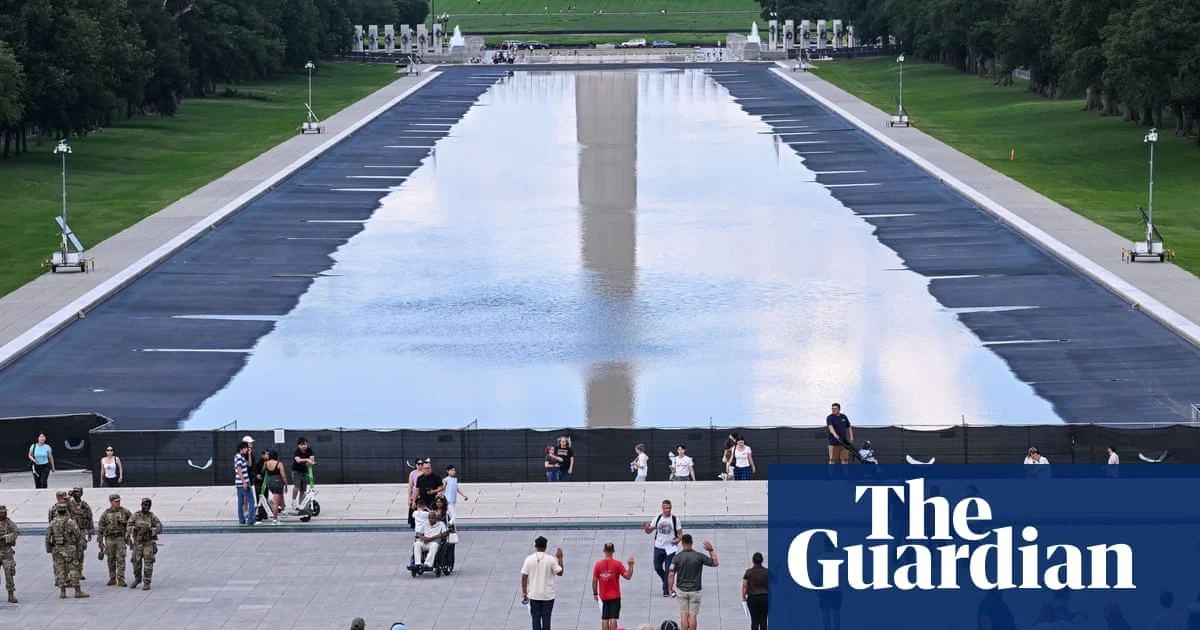
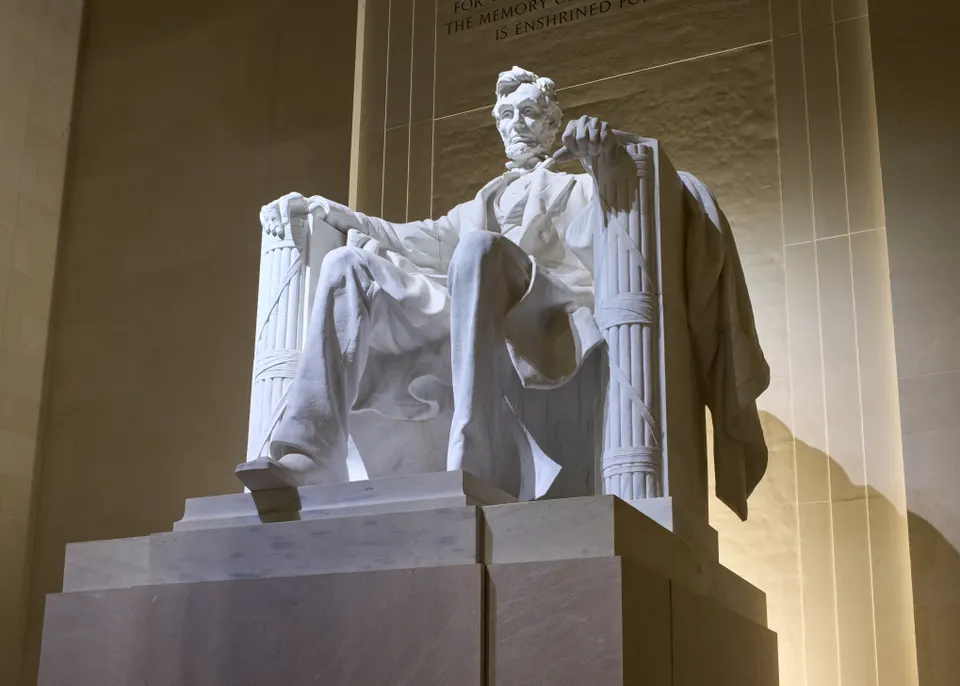
President Donald Trump took to Truth Social this Sunday to address the mounting criticism over the $14 million renovation of the Lincoln Memorial reflecting pool. In a rare admission of administrative oversight, Trump conceded that the project was "rushed and shoddy," blaming contractors for cutting corners to meet the symbolic July 4th deadline. While he acknowledged the contractor errors, he remained adamant that the visible damage was also exacerbated by alleged acts of vandalism, a claim he has doubled down on despite skepticism from local authorities. The president characterized the resulting issues as "relatively inconsequential," though the admission has fueled critics who argue the administration prioritizes optics over infrastructure quality.
Beyond the aesthetics of Washington D.C., the Trump administration is facing far more significant pressure regarding the global energy crisis. Reports have surfaced suggesting that the White House is considering an export ban on crude oil and refined petroleum products to lower domestic gasoline prices, which have spiked due to the ongoing conflict involving Iran. Although a spokesperson denied any immediate plans for a ban, the mere suggestion has sent ripples through the markets. For the Iranian observer, this domestic turmoil in the U.S. signals a potential shift toward isolationist energy policies that could further destabilize global supply chains and keep the U.S. Dollar (USD) on a volatile path.
Tehran’s Military Command Reshuffle Amid Regional Tensions
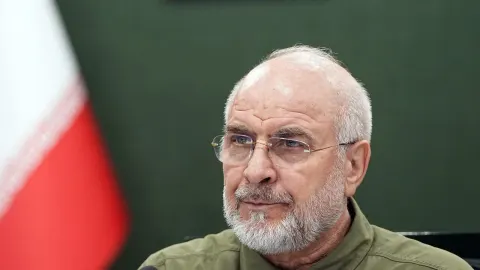
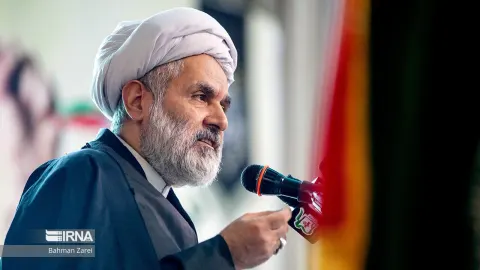
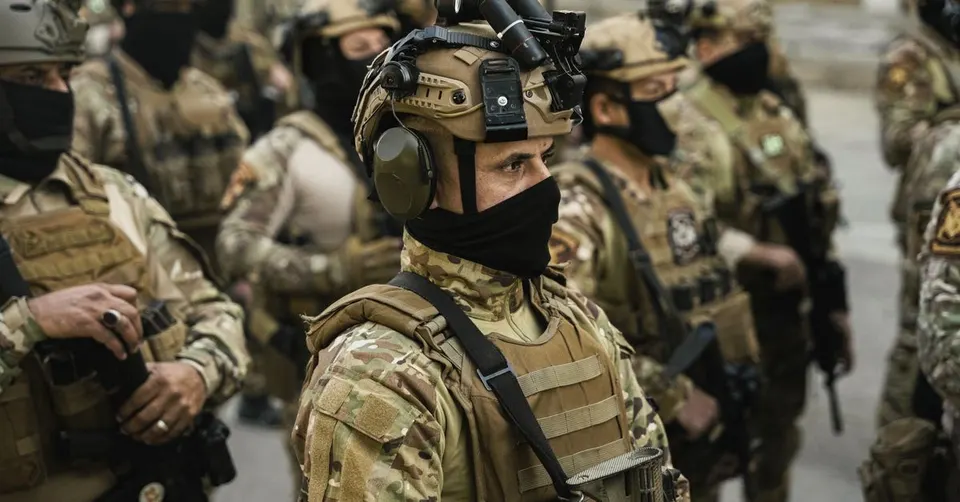
In a series of significant decrees, the leadership in Tehran has announced six new high-level appointments within the Armed Forces General Staff, the Islamic Revolution Guards Corps (IRGC), and the Basij Organization. The most prominent of these is the appointment of Major General Ali Abdollahi as the Chief of Staff of the Armed Forces. These moves come at a critical juncture as the regional standoff continues to paralyze traditional shipping routes. The reshuffle is viewed by analysts as a strategic consolidation, likely aimed at hardening the military's posture as the rhetoric surrounding the "forever changed" status of the Strait of Hormuz intensifies.
These appointments were reported by state media outlets like IRNA, which framed the changes as a routine strengthening of the defense structure. However, the timing suggests otherwise. With the domestic economy under immense pressure and the USD/IRR exchange rate hovering near 185,600 Toman, the government appears to be prioritizing internal security and military readiness. For the average citizen, these leadership changes often precede shifts in tactical operations or new enforcement measures on the ground, particularly as the state continues to claim it has thwarted "enemy AI plots" against its infrastructure.
Egypt and Libya’s $1 Billion Strategy to Bypass the Gulf
As the war involving Iran continues to disrupt traditional energy supplies from the Persian Gulf, Egypt and Libya are reportedly nearing a landmark $1 billion deal to build an 800-kilometer oil pipeline. The proposed project would connect Tobruk in Libya directly to Alexandria’s refineries in Egypt. According to government officials speaking to Asharq Bloomberg, this move is a direct response to the supply shocks caused by the blockade of the Strait of Hormuz. By creating a land-based transit route for Libyan crude, Egypt hopes to secure its energy needs and reduce its reliance on the volatile maritime corridors that are currently under threat.
This development represents a broader regional trend of "de-risking" from Iranian-influenced territory. If the pipeline project secures the necessary financing and begins construction, it could fundamentally alter the energy map of North Africa and the Eastern Mediterranean. For global markets, this is a signal that regional powers are no longer willing to wait for a diplomatic resolution to the Hormuz crisis. Instead, they are investing heavily in infrastructure that renders the blockade less effective. While this may eventually stabilize regional fuel prices, the immediate cost of such massive projects adds to the inflationary pressures felt across the Middle East.
Market Update: Gold Inches Up as Bitcoin Holds Strong Inflows
Domestic markets in Iran remain in a state of cautious equilibrium. The USD/IRR rate saw a marginal decline, moving from 185,700 to 185,600 Toman (-0.1%). Meanwhile, Gold 18k per gram rose slightly from 18,763,562 to 18,791,264 Toman (+0.1%), reflecting a persistent demand for hard assets as a hedge against regional uncertainty. The Emami coin, however, dipped slightly to 186,500,000 Toman (-0.3%), suggesting some profit-taking after recent highs.
In the crypto space, Bitcoin (BTC) is currently trading at $64,068. Despite a minor slip over the weekend as hopes for a quick reopening of the Strait of Hormuz faded, institutional interest remains robust. Spot Bitcoin ETFs recorded their strongest weekly inflows since April, even in the wake of the recent Coldcard hack. This institutional backing provides a floor for the market, though the "Hormuz disappointment" continues to prevent a sustained breakout above previous resistance levels.
Frequently Asked Questions
Why did Trump admit the Lincoln Memorial project was rushed?
Who is the new Chief of Staff of the Iranian Armed Forces?
How will the Egypt-Libya pipeline affect regional energy security?
Understanding Energy Chokepoints: The Strategic Importance of the Strait of Hormuz
Energy chokepoints are narrow, navigable channels along international trade routes, crucial for the global flow of vital resources, particularly oil and natural gas. These maritime passages, though often small in geographical scale, hold immense strategic importance because any disruption to their flow can have cascading economic and geopolitical consequences worldwide. Nations and global markets are highly sensitive to the stability of these routes, as they represent bottlenecks where a significant portion of the world's energy supply must pass.
The Strait of Hormuz stands as perhaps the most critical energy chokepoint globally. Located between Oman and Iran, it connects the Persian Gulf—home to some of the world's largest oil producers like Saudi Arabia, Iran, UAE, Kuwait, and Iraq—with the Arabian Sea and beyond. Approximately one-fifth of the world's total petroleum consumption, and a substantial portion of global liquefied natural gas (LNG), transits through this strait daily. Its narrowest point is just 21 miles (34 km) wide, with shipping lanes a mere two miles (3 km) wide in each direction, making it highly vulnerable to disruption.
The geopolitical implications of the Strait of Hormuz are profound. Due to its strategic location, the strait has frequently been a flashpoint in regional tensions, with threats of closure or actual disruptions having immediate and dramatic effects on global energy prices. Any potential blockade, as alluded to in geopolitical discussions, would not only severely impede oil exports from major producers but also send shockwaves through the global economy, impacting everything from transportation costs to manufacturing. This vulnerability underscores why international powers often maintain a significant naval presence in the region to ensure freedom of navigation.
Understanding energy chokepoints like the Strait of Hormuz is key to comprehending global energy security and international relations. Countries strive to diversify their energy sources and transport routes to mitigate risks associated with these vulnerable passages. However, given the sheer volume of energy passing through them, chokepoints remain central to geopolitical strategy, economic stability, and the ongoing quest for secure and affordable energy supplies worldwide.
Topics
Related Articles