Trump’s ‘Beautiful Bill’ Favors the Ultra-Rich as Tehran Warns Paris Over Diplomatic ‘Meddling’
لایحه «زیبای» ترامپ در خدمت ثروتمندان؛ هشدار تند تهران به پاریس درباره «مداخله» دیپلماتیک
Former President Trump’s tax policies are under fire for favoring multimillionaires over small businesses, while Tehran issues a stern warning to French diplomats. Meanwhile, the Iranian Toman faces slight pressure as gold prices continue their steady climb toward new records.
At time of publishing
USD
187,400
Toman
Gold 18K
19.15M
Toman / gram
Bitcoin
$62,959
US Dollar
Tether
186,710
Toman
The ‘Beautiful Bill’ and the Multimillionaire Boom
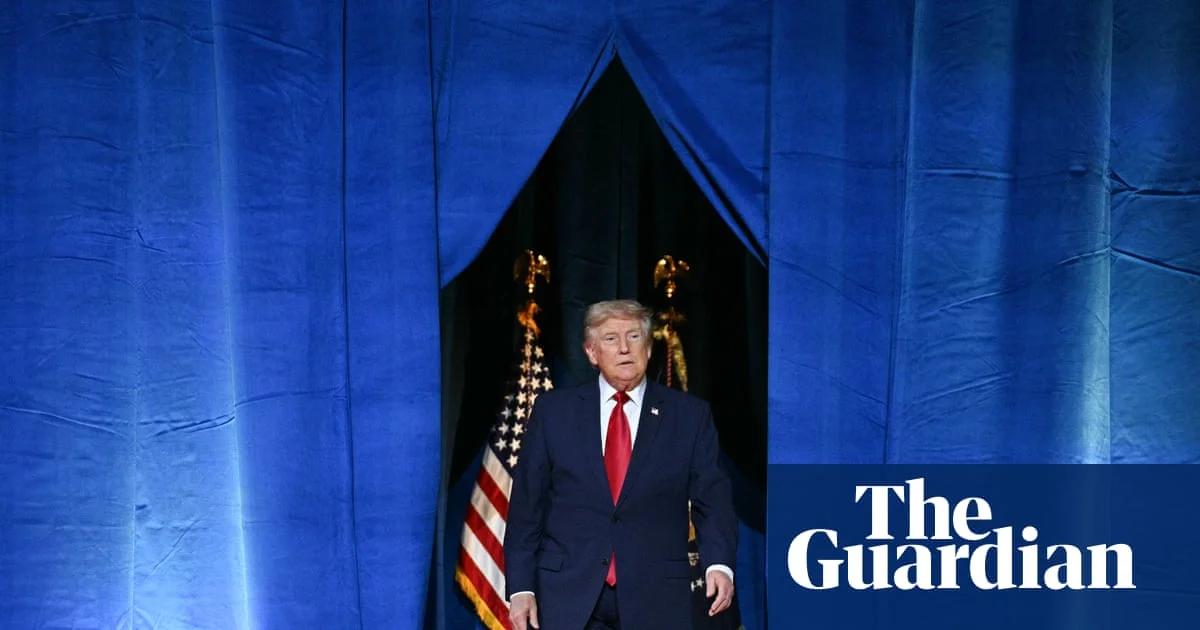
As the American political landscape heats up, the economic consequences of Donald Trump’s legislative agenda are coming into sharper focus. The so-called "One Big Beautiful Bill Act" (OBBBA), which pairs a staggering $5 trillion tax cut with significant reductions in social safety nets like food stamps and Medicaid, is being re-evaluated not as a boon for "Main Street," but as a targeted gift to the ultra-wealthy. While political rhetoric often frames these tax cuts as essential for small business owners, analysts argue that the primary beneficiaries are actually multimillionaires and large corporations. This shift in fiscal policy is expected to deprive the US government of essential revenue, potentially ballooning the national deficit while further entrenching wealth inequality.

For global markets, this policy trajectory signals a volatile period ahead. A massive tax cut of this scale typically strengthens the US dollar in the short term due to anticipated capital inflows, but the long-term sustainability of such a deficit-heavy approach raises concerns about inflation and interest rate stability. As the USD/IRR rate in Tehran moved from 186,700 to 187,400 (+0.4%) today, the broader strength of the greenback is already being felt in emerging markets. Investors are closely watching whether these fiscal maneuvers will force the Federal Reserve to maintain a more hawkish stance to counteract the inflationary pressures of such high-end liquidity.
Tehran Signals Friction with Paris Amid Diplomatic Warnings
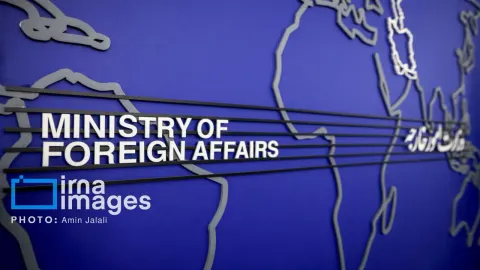
In a move that underscores the growing tension between Iran and the European Union, the Iranian Intelligence Ministry has issued a formal warning to the French government regarding the conduct of its diplomats. According to state media reports, Tehran has accused French diplomatic personnel of engaging in "illegal and interventionist activities" that go beyond their official mandates. The ministry stated that it would not tolerate such meddling and warned of an "appropriate response" if these actions are repeated. This development follows months of cooling relations as European powers continue to pressure Iran over its regional influence and nuclear program.

This diplomatic spat is more than just a war of words; it has direct implications for Iran’s economic outlook. France has historically been a key European trade partner, particularly in the automotive and energy sectors. Renewed friction often precedes tighter enforcement of sanctions or a slowdown in back-channel negotiations. For the average Iranian reader, these headlines contribute to the "risk premium" seen in the currency markets. Whenever diplomatic ties with major Western powers fray, the demand for hard assets like gold and US dollars typically increases as a hedge against potential instability.
Global Inflation and the Struggle for Stability
Beyond the corridors of power in Washington and Tehran, the global economy is grappling with the persistent bite of inflation. In Canada, a long-standing cultural tradition—summer camps for youth—is facing an existential crisis. Rising operational costs and shifting parenting trends are making these programs unaffordable for many families, illustrating how inflation is dismantling even the most cherished middle-class institutions. This micro-economic struggle reflects a broader global trend where the cost of services is outpacing wage growth, forcing consumers to make difficult choices about discretionary spending.

In the financial markets, Bitcoin remains in a state of consolidation, holding just below the $63,000 mark at $62,959. Despite some regulatory progress in various jurisdictions, selling pressure continues to offset the bullish sentiment. In Tehran, the domestic gold market mirrored this cautious but upward trend; 18k gold rose slightly from 19,130,615 to 19,149,083 Toman (+0.1%), while the Emami coin increased by 0.3% to reach 190,000,000 Toman. These movements suggest that while there is no panic selling, there is a clear preference for safe-haven assets as geopolitical and inflationary uncertainties persist across the globe.
Frequently Asked Questions
What is the OBBBA and why is it controversial?
Why did Iran's Intelligence Ministry warn French diplomats?
How did the Iranian Toman react to today's news?
Is Bitcoin expected to break the $63,000 resistance soon?
Understanding Economic Sanctions: A Tool of Geopolitical Pressure
Economic sanctions are punitive measures imposed by one country or a group of countries against another, typically to achieve specific foreign policy objectives without resorting to military force. These measures can range from comprehensive trade embargoes to more targeted restrictions on financial transactions, travel, or specific sectors like oil and gas. The primary goal is often to compel a target nation to change its behavior, whether it's related to human rights, nuclear proliferation, or diplomatic disputes, by inflicting economic pain and isolating it from the global financial system.
The mechanisms through which sanctions operate are diverse. They might include freezing assets of individuals or entities, restricting access to international banking systems like SWIFT, banning exports of certain goods or technologies, or prohibiting imports from the sanctioned country. For instance, an oil embargo aims to cut off a major revenue stream, while financial sanctions can make it nearly impossible for a country to conduct international trade or attract foreign investment. These restrictions are designed to limit a nation's economic capacity and make it harder for its government to function or fund its activities.
The economic impact on a sanctioned country can be profound and far-reaching. It often leads to a significant depreciation of the national currency (like the USD to IRR exchange rate), rampant inflation, and a decline in real incomes, as the cost of imported goods skyrockets and domestic production struggles without access to vital components or markets. Citizens may turn to alternative assets, such as gold coins (like the Emami coin in Iran) or even cryptocurrencies, as a hedge against currency devaluation and economic instability. Such conditions can fuel social unrest and place immense pressure on the government to reconsider its policies.
While sanctions are a powerful tool in international relations, their effectiveness is a subject of ongoing debate. Proponents argue they can be a non-lethal way to exert pressure and achieve diplomatic goals, potentially averting armed conflict. Critics, however, point to their humanitarian costs, arguing that they often disproportionately harm ordinary citizens, foster black markets, and can sometimes strengthen the resolve of the targeted regime rather than weaken it. Furthermore, they can lead to complex geopolitical dynamics, as seen in diplomatic tensions between nations over their implementation or circumvention.